

The desk’s sources are primary first, including the American Academy of Dermatology’s acne skin care guidance for the guidance the warnings rest on. Trend data is printed as popularity, studies are printed with their limitations, and corrections are kept visible.
How This Desk Grades the News
Three tiers, applied to every entry, with the criteria published so you can grade the next headline yourself.
|
Tier |
Meaning |
Examples from this cycle |
|---|---|---|
|
Established |
A regulator acted, or professional consensus repeats across independent sources |
FDA exosome enforcement; AAD trend warnings; the barrier first consensus |
|
Reported |
A real study, survey, dataset, or approval watch, printed with its limits |
EADV video analysis; 94 patient study; dermatologist survey; Spate trend data |
|
Hype |
Marketing, celebrity, and ritual theater, covered as claims only |
Ingredient launches, neurocosmetic promises, performance routines |
A story can move tiers as evidence matures, and when one does, the entry is updated and the change is noted in the corrections block below.
The Latest, Graded
October 2026: FDA Sends Warning Letters Over Exosome Clinics. Tier: Established
Reporting in October 2026 confirmed that the FDA sent warning letters in August 2026 to clinics marketing exosome products, citing false claims and manufacturing failures.
The standing fact behind the letters deserves its own line: no exosome product is FDA approved, the agency’s position since its 2019 safety notification on unapproved exosome treatments.
The enforcement record and its evidence tiers are laid out in a watchdog explainer on the FDA exosome warning letters, including the point that poorly characterized products cannot have predictable safety profiles.
What changes in your routine: nothing, unless a clinic has sold you an exosome treatment. In that case the change is a conversation with a dermatologist, not a replacement product.
November Cycle: The AAD Names the Dangerous Trends. Tier: Established
For National Healthy Skin Month, AAD dermatologists flagged the trend categories they consider genuinely dangerous, and the list leads with at home cosmetic procedures.
Microneedling and dermarolling at home carry infection and technique risks. Self injecting fillers and home laser use extend the same problem: procedures filmed without their complications.
Nasal tanning sprays earn their own warning. Their melanotan agents are unapproved, and the method requires unprotected sun exposure to work, building the harm into the instructions.
The same warnings cover beauty supplements (ingredients linked to serious risks, including birth defects, per one quoted dermatologist) and rising anti sunscreen sentiment, which the dermatologists call misinformation plainly.
What changes in your routine: your information diet, not your shelf. Any trend involving needles, injections, lasers, or inhaled tanning agents is now a known quantity: skip it, permanently.
September 29, 2026: Viral Glass Skin Videos, Audited. Tier: Reported
Research presented at the EADV Congress analyzed 38 of the most viral glass skin videos, and CNN’s Fad Check investigation of the glass skin trend covered the findings in its Fad Check format.
Nearly 95 percent of the videos contained misleading claims. About 45 percent recommended combining several actives with no safety advice, 32 percent promised immediate results, and none were produced by dermatologists.
The limit rides with the figure: this is a conference presentation on a small video set, not a peer reviewed census of the platform. Its direction, however, matches the AAD’s warnings exactly.
What changes in your routine: if your routine was assembled from viral videos, rebuild it from the base. The korean skincare routine philosophy itself is gentle; the maximalist video format built on top of it is the problem.
2026: The Multi Active Irritation Data. Tier: Reported
A small study followed 94 dermatology patients who developed new or worsening problems after using social media promoted products, and a journal breakdown of the social media routine study examines its findings with unusual honesty.
42 percent developed irritant contact dermatitis, nearly 30 percent saw acne begin or worsen, and 63 percent were using more than three active ingredients at once.
The limitation is printed here as loudly as the findings: these were clinic patients, people already seeking care. The study proves a mechanism, stacking irritates, not a population risk rate.
A companion survey of 168 dermatologists found 91.6 percent concerned about multi step routines. Opinion at scale, graded as such, pointing the same way as the patient data.
What changes in your routine: count your actives. If the number is above two, the news is about you, and the fix is subtraction, which the skincare routine order guide makes painless.
2026: PDRN Tops the Trend Data. Tier: Reported, as Popularity
Per Trendalytics’ PDRN trend report, built on Spate data, Spate’s 2026 ingredients data puts PDRN, the salmon DNA derived ingredient from Korean clinics, up 322.3 percent in popularity year over year, the fastest growth in the report.
Read that number correctly. It measures attention across search and social platforms. It says nothing about what PDRN does in skin, where the evidence base is still developing and tolerance reports are generally calm.
What changes in your routine: nothing on this data alone. If PDRN interests you, it enters the way every optional ingredient should: after the base is stable, one product, patch tested, judged over weeks.
The 2026 Consensus: Barrier First. Tier: Established
The year’s least viral story is its most important. Allure describes a return to science backed essentials. Cleveland Clinic’s 2026 coverage centers barrier strength and minimized routines. Vogue’s futurism still lands on cellular health and personalization over clutter.
Dermatologists quoted across Byrdie and Who What Wear repeat one prescription: protect the barrier, use proven ingredients consistently, wear sunscreen daily, and stop switching products constantly.
What changes in your routine: if your routine already runs cleanse, moisturize, protect, and one or two actives, the consensus just endorsed it.
The skincare routine hub and the best skincare routine framework teach exactly this architecture. The how to start a skincare routine guide paces the build for beginners joining mid trend.
2026 Watch Item: A New Sunscreen Filter for the US. Tier: Reported
Dermatologists and outlets including Allure are watching the potential US approval of bemotrizinol, a modern, photostable filter used for years in other markets.
The stakes are practical, not exotic. Better filters can produce more elegant textures and stronger broad spectrum protection, and elegance is what decides whether sunscreen gets worn daily or abandoned by February.
Until an approval actually lands, this stays a watch item. US readers use existing filters, applied generously, which remains the best documented sunscreen strategy in any market.
What changes in your routine: nothing yet. When and if approval arrives, this entry moves tier and the desk will say exactly which products changed and whether the change matters.
The Hype Tier, This Season: Peptides, Neurocosmetics, and Sprays
Not every loud story is dangerous. The season’s Hype tier is crowded with plausible, pleasant, thinly evidenced categories that deserve accurate labels rather than alarm.
Neurocosmetics promise calm through the skin brain connection, with neuropeptides and adaptogens. The vocabulary is real neuroscience; the consumer evidence is early and light, and the coverage is largely non US beauty press.
Copper peptides headline the peptide wave, marketed for repair and elasticity. Mechanisms are plausible, product level proof is variable, and the desk’s standing line applies: an optional layer, never a foundation.
Hypochlorous acid sprays are the tier’s calmest resident: a gentle antimicrobial moving from clinics into daily bags. Reasonable, low drama, and still not a treatment for anything a dermatologist should be treating.
What changes in your routine: only your vocabulary. You can now hear these words in a launch, nod accurately, and keep your four steps exactly as they are.
How to Read a Skincare Study Like a Desk Editor
Three of this cycle’s entries are studies or surveys, and the desk applies the same three questions to each. Steal them for every headline you meet this year.
Question one: who was studied? Ninety four clinic patients can prove that stacked actives irritate skin that is already in trouble. They cannot tell you the risk for the general public, and any headline implying otherwise has upgraded the study without permission.
Question two: what kind of document is it? A conference presentation (the EADV video audit) is a preliminary report, interesting and directional. A peer reviewed paper has survived outside scrutiny. A press release has survived a marketing meeting.
The tier follows the document, not the drama.
Question three: does the finding survive contact with guidance? When a study’s direction matches the AAD’s standing positions, as the irritation data matches the warnings, confidence compounds.
When a finding contradicts every guideline body, the correct posture is interest plus patience, not a routine overhaul.
January’s Predictions, Revisited
At the year turn, dermatologist panels predicted barrier centrality, AI personalization, well ageing language, and sunscreen emphasis for 2026. Revisited now, the panel scores well, which is worth recording because prediction pieces are usually forgotten by design.
Barrier centrality and sunscreen emphasis arrived as consensus, documented across the year’s coverage. AI personalization is arriving as products and claims faster than as validated tools, an honest partial.
Well ageing has arrived as vocabulary, which is what it always was. The desk’s rule for next January: save the predictions, date them, and grade them in public when the year answers back.
A Note on Celebrity Routines
Celebrity items cross this desk constantly and almost never survive grading, for structural reasons. The routine shown is sponsored, filtered, and professionally supplemented off camera, and this cycle’s celebrity endorsements touched an unapproved clinic treatment now under FDA enforcement.
The extraction rule is simple. A celebrity story can tell you what is being marketed this season, which is genuinely useful cultural information.
It cannot tell you what to put on your face, and any desk implying otherwise is selling the same thing the celebrity is.
The Consensus Watch: Lines Dermatologists Keep Repeating
Across outlets that agree on nothing else, the same sentences keep surfacing in 2026 coverage. The desk collects them because repetition across independent sources is what consensus actually looks like.
One dermatologist, asked what should go viral instead, answered progressive skincare: building slowly, one element at a time, because consistency beats intensity every single time. It is the most quoted line in this cycle for a reason.
Another, in Who What Wear’s coverage, defined the modern focus as maintaining a strong barrier, protecting with sunscreen daily, and using proven ingredients consistently. Strip the trend vocabulary from every 2026 headline and this sentence is what remains.
The barrier warning completes the trio: over exfoliation, harsh cleansing, and constant product switching disrupt the moisture barrier, leaving skin tight, irritated, and reactive. Every clause of that sentence describes a behavior, not a product, which is why the fix is free.
The Warnings Ledger
A standing list, kept current, of the items that should never trend again. Each has been flagged by the AAD or the FDA in this cycle or carries their standing positions.
|
Item |
The warning |
Source tier |
|---|---|---|
|
At home microneedling and dermarolling |
Infection and technique risks; complications do not appear in the videos |
Established, AAD |
|
Self injected fillers, home lasers |
Unapproved use of clinical procedures outside clinical settings |
Established, AAD |
|
Nasal tanning sprays |
Melanotan unapproved and illegal to sell in the US; requires unprotected sun |
Established, AAD |
|
Exosome clinic treatments |
No FDA approved products; 2026 warning letters to marketing clinics |
Established, FDA |
|
Skin, hair, and nail supplements |
Ingredients linked to serious risks; not pre approved for efficacy |
Established, AAD |
|
Anti sunscreen claims |
Misinformation; daily SPF remains the consensus first step |
Established, AAD |
|
Stacked viral routines |
Irritation mechanism documented; 63 percent of harmed patients used 3 plus actives |
Reported, 2026 study |
What the News Means for Your Skin Type
Oily and acne prone readers should take the irritation data personally, because stacked actives are the classic acne routine failure. The acne specific guidance has not changed: lesion matched, one active, judged over weeks.
The skincare routine for oily skin page owns the oil system, and the best skincare routine for oily skin page owns its best routine form.
Sensitive readers are the barrier first story’s main audience. Every warning in the ledger lands hardest on reactive skin, and every gentle launch still deserves a patch test before it touches your face.
Dry and mature readers can note that the consensus favors them: ceramide rich moisturizers, occlusion where appropriate, and patience are the year’s celebrated virtues. The nighttime skincare routine architecture shows where the richer steps live.
Men building a first routine will find the news oddly reassuring: the expert direction is toward fewer, calmer products, which is where the mens skincare routine guide starts anyway.
Morning people chasing the performance formats should read the theater FAQ below, then return to the morning skincare routine structure, which achieves the same photograph with four steps and no contraptions.
Readers who layer by brand system can keep the ordinary skincare routine discipline in mind: the survey’s concern was never any single product, it was accumulation without a plan.
Everything on this desk routes back to Styler Look and the cluster’s evergreen pages, because news expires and routines should not.
If You Read Only Five Lines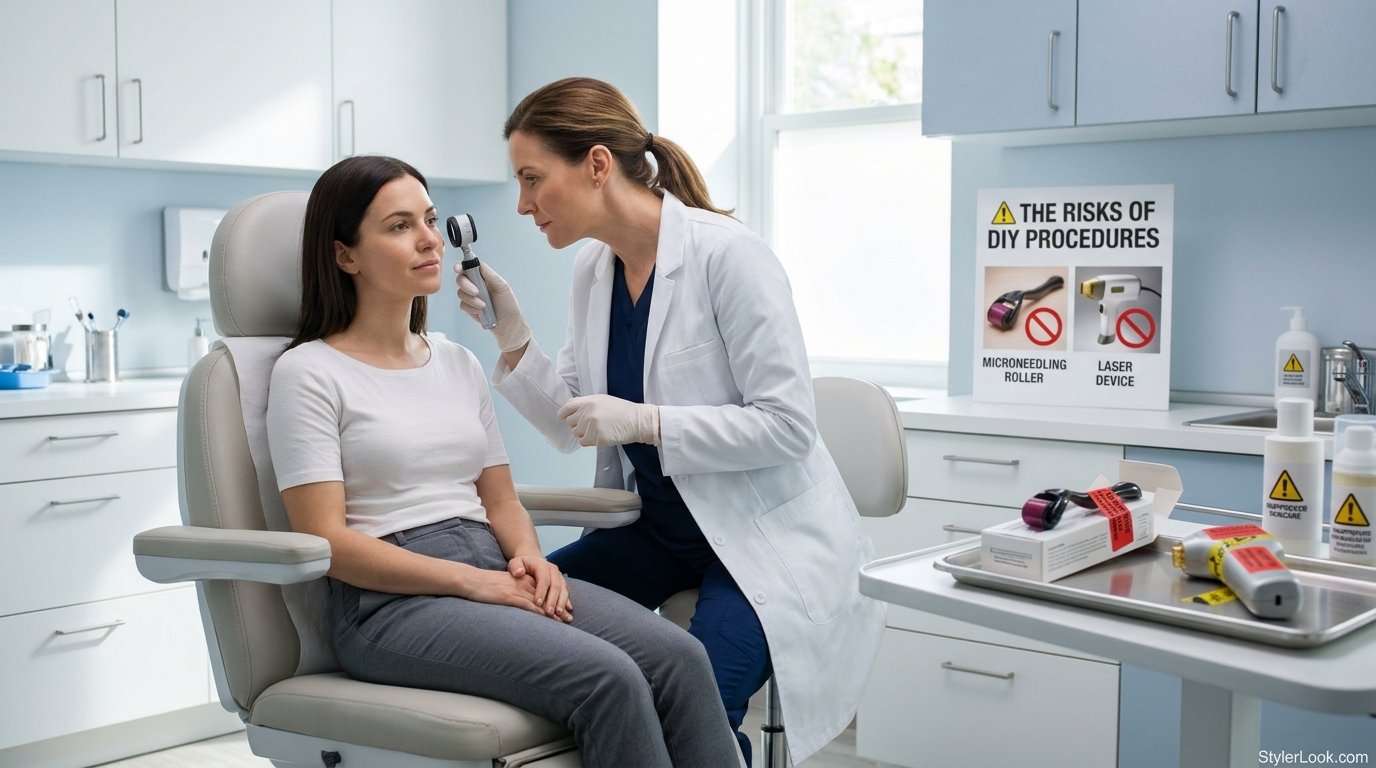
One: no exosome product is FDA approved, and the agency spent August 2026 telling clinics so in writing.
Two: the AAD’s dangerous list is procedures and tanning sprays, not products: if it involves a needle, a laser, or an inhaler, it is not a routine.
Three: the irritation evidence keeps indicting the same suspect, stacked actives, and the dermatologist survey agrees at scale.
Four: PDRN’s 322 percent is a popularity number. Attention is not evidence, this year or any year.
Five: the expert consensus of 2026 is the boring routine you may already own: cleanse gently, moisturize, protect, add slowly.
What This Desk Is Watching Next
The bemotrizinol file, because an approval would be the rare launch story that genuinely changes morning routines across the country within a year.
The exosome market’s response to enforcement: whether clinics rebrand, reformulate their claims, or exit, each outcome tells readers something different about the category.
The next EADV and AAD cycles, where this year’s conference findings either mature into peer reviewed literature or quietly disappear, and the desk reports either result.
Trend data at the year turn, when Spate style reports crown the next ingredient. The desk will print its percentage with the same label as this year’s: popularity, sourced, and innocent of efficacy.
Your corrections, which are a source like any other. When a reader catches a stale date or a moved tier before the desk does, the corrections block below grows, and the page gets better in public.
What Changed Our Guidance This Cycle
Nothing, and printing that is the point of the desk. The FDA action removed a clinic service, not a home routine ingredient. The AAD warnings confirmed standing cautions. The studies refined a principle the cluster already taught.
Guidance here changes when a regulator acts on something readers use, when a guideline body revises a position, or when evidence matures a Reported item into an Established one.
Launches, endorsements, and popularity spikes have never met that bar, and this cycle is no exception.
Corrections and Updates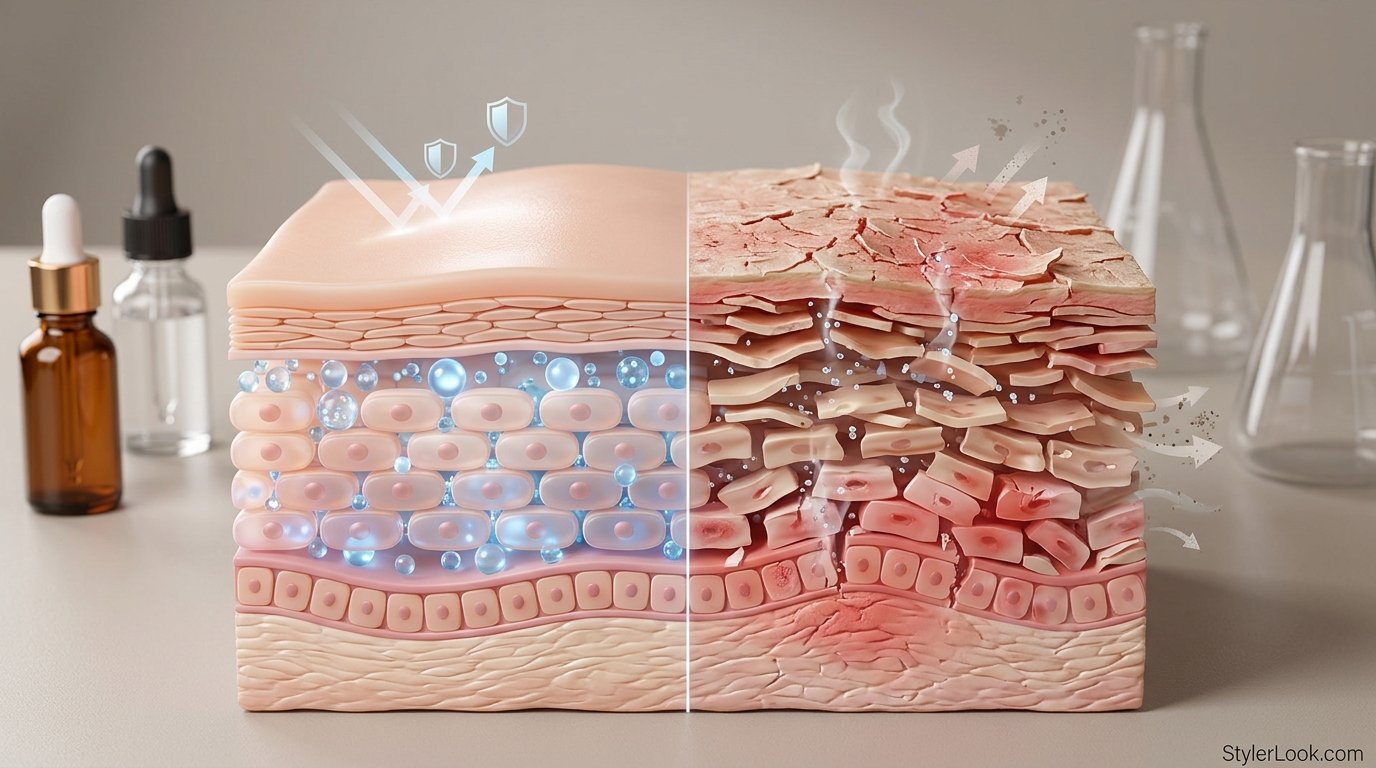
Entries are dated at publication. When a source corrects a story, the entry is corrected and the change is recorded here with its date. When a story goes stale, it is flagged rather than silently refreshed, and date stamps change only on genuine revisions.
Frequently Asked Questions
What is skincare routine news?
The flow of developments that can touch a daily routine: regulator actions, professional guidance updates, research, trend data, and dermatologist reactions to viral practices.
This page sorts that flow by evidence grade, because most of it changes nothing about a sound routine, and the small part that matters should not be missed.
What is the biggest skincare story of 2026 so far?
The barrier first consensus. Allure’s 2026 reporting describes a return to science backed essentials, Cleveland Clinic centers barrier strengthening and minimized routines, and dermatologists repeat one prescription.
Fewer products, proven ingredients, daily sunscreen. It is news because it reverses a decade of maximalist routine culture. Graded Established here as professional consensus.
What did the FDA do about exosomes in 2026?
Per October 2026 reporting, the FDA sent warning letters in August 2026 to clinics marketing exosome products, citing false claims and manufacturing failures.
The standing fact: no exosome product is FDA approved, the agency’s position since its 2019 safety notification. Clinic exosome services are a marketing trend running ahead of approval and safety data.
Are exosome skincare products approved or proven?
No on approval, and not yet on proof for the marketed cosmetic claims. The research interest is real, but published data is small and short.
Poorly characterized products cannot have predictable safety, as a cosmetic surgeon quoted in coverage put it. Promising biology plus absent evidence equals marketing ahead of medicine.
What is PDRN and why is it trending?
PDRN, usually salmon DNA derived, moved from Korean clinics into global routines in 2026. Spate’s ingredients report put it top for growth, up 322.3 percent year over year.
That figure is popularity data, graded Reported here. Popularity is not efficacy: dermatologists describe topical PDRN as generally well tolerated, with an evidence base still developing.
What did the AAD warn about in social media skincare trends?
For National Healthy Skin Month, AAD dermatologists flagged at home cosmetic procedures as most concerning: microneedling, self injecting fillers, and home laser use.
They also warned against nasal tanning sprays, noted rising anti sunscreen sentiment, and cautioned on beauty supplements. A video of a procedure is not evidence it is safe.
What did the 2026 research find about viral skincare videos?
Research presented September 29, 2026 at the EADV Congress analyzed 38 viral glass skin videos: nearly 95 percent contained misleading claims.
About 45 percent recommended combining actives without safety advice, 32 percent promised immediate results, and none were made by dermatologists. Graded Reported: a conference presentation on a small video set.
Can too many products actually damage skin? What is the evidence?
A small 2026 study of 94 dermatology patients with new or worsening problems after social media products found 42 percent had irritant contact dermatitis and 63 percent used more than three actives.
The limit, printed with the figure: these were clinic patients, so it cannot give a population risk. It supports the mechanism, not a headline percentage.
What do dermatologists themselves say about multi step routines?
A 2026 survey of 168 dermatologists and residents found 91.6 percent concerned about multi step routine popularity and 88.1 percent regularly seeing skincare caused problems.
Only 12.5 percent actively recommended multi step routines. Graded Reported, professional opinion at scale, and consistent with the barrier first consensus across the year’s trend reporting.
What is barrier first skincare?
The 2026 consensus approach: build on barrier support first, gentle cleansing, ceramide moisturizers, daily sunscreen, then add actives slowly, one at a time.
Dermatologists quoted in 2026 coverage warn that over exfoliation, harsh cleansing, and constant switching disrupt the barrier. It is a sequencing doctrine, not a product category, and the opposite of the viral routine format.
What is skinimalism?
The minimalism trend feeding the barrier first turn: fewer, multi tasking products and shorter routines, described by dermatologist panels as 2025’s champion idea.
In practice it means a three to four step core where each product earns its place, the same architecture this site’s routine guides have taught all along.
What are neurocosmetics?
A 2026 trend category targeting the skin brain connection with neuropeptides, adaptogens, and fermented botanicals, aimed at stress linked dullness and inflammation.
Coverage comes largely from non US beauty press. Graded Hype to Reported: the category is real, consumer product evidence is thin, and claims should be read as cosmetic, never medical.
What is PDRN’s difference from exosomes?
Different substances, different regulatory weather. PDRN is a defined topical ingredient trending on popularity data. Exosomes are cell secreted vesicles sold as clinic treatments.
Exosomes carry no FDA approvals and active 2026 enforcement. Lumping both together as regenerative skincare is marketing grammar; this desk keeps them in separate evidence tiers.
Is at home microneedling safe?
Dermatologists quoted by the AAD say no as a casual home practice: dermarolling carries infection and technique risks, and videos omit the complications that followed.
Professional microneedling uses sterile single use equipment and screening in clinical settings. This is one of the clearest Established warnings in the current news cycle.
What is wrong with nasal tanning spray?
Per AAD dermatologists: the agents, melanotan class, are not FDA approved and illegal to sell in the US and UK, and the method requires unprotected sun exposure to work.
That raises skin cancer and photoaging risk by design. Topical self tanner is the safe alternative. This story returns every summer; the verdict never changes.
Is the anti sunscreen trend based on anything?
Dermatologists in the AAD warnings call the rising anti sunscreen sentiment concerning misinformation. The circulating claims are not supported by the evidence base dermatology relies on.
Daily broad spectrum SPF remains the most repeated recommendation in every credible 2026 trend report this page tracked, including the minimalist ones.
What is bemotrizinol and why is it in the news?
A modern, stable sunscreen filter long used outside the US, whose potential US approval dermatologists and outlets like Allure are watching in 2026.
Better filters could mean more elegant, stronger sunscreens people actually wear. Graded Reported: an approval watch item, not an approval. Until it lands, use the filters already available.
Should I copy a celebrity’s routine from the news?
No, and this cycle shows why: celebrity items include endorsements of unapproved exosome treatments. A celebrity routine is a marketing artifact, with sponsorships, off camera treatments, and filters.
Extract only whether a dermatologist quoted in the same story endorses the underlying practice. The product list itself carries no information about your skin.
How can I tell if a skincare headline is trustworthy?
Run the four checks this page uses. Who acted or found it? How big was the study, and who was studied? Does the headline claim more than the source?
Does the AAD or a dermatologist hold the position independently? Passing all four earns the Established tier. Most viral items fail at check two or three.
What is the difference between popularity data and evidence?
Popularity data from firms like Spate measures search and social attention. PDRN up 322.3 percent means attention grew, full stop.
Evidence measures outcomes in skin under controlled conditions. Confusing the two is the engine of skincare hype, because attention is buyable and outcomes are not. Figures here carry the word popularity attached.
Do I need to change my routine because of the 2026 trends?
Almost certainly not, and that is the year’s actual headline. The consensus direction, barrier first, fewer actives, daily sunscreen, describes the routine this site already teaches.
News changes a sound routine only at specific triggers: a regulator warning about something you use, a recall, or your own skin changing. Launches are not triggers.
What is progressive skincare?
The practice one dermatologist in the 2026 coverage wished would go viral: building routines slowly, one element at a time, letting consistency beat intensity.
It is the behavioral version of barrier first, and it names the mechanism behind most routine failures in the news: five actives at once, irritation, abandonment, repeat.
Are at home LED masks worth it according to the news?
Trend reporting from Vogue and Allure places next generation LED and home devices inside the 2026 conversation as a growing category.
Graded Reported interest with device by device evidence; outcomes depend on tested parameters and months of use. The practical filter: buy only if it fits your real habits, because an unused device does nothing.
What is AI personalized skincare, and should I trust it?
Dermatologist panels predicted AI skin analysis as a defining 2026 shift, ending one size fits all routines. The tools are real and improving.
The cautions are validation, tested on whose skin tones, and privacy, since facial images are biometric data. Treat AI output as a suggestion engine, not a diagnosis.
What does well ageing mean?
The language shift dermatologists describe for 2026: from anti ageing, fighting age as a defect, to well ageing, care at every age without pressure to look younger.
It changes marketing more than routines. The underlying advice, prevention, sunscreen, barrier care, is the consensus core again, wearing better words.
Are supplements for skin, hair, and nails safe?
The AAD warnings say treat them with suspicion: ingredients have been linked to birth defects, increased cancer risk for some, and paradoxical acne and hair loss.
US supplements are not pre approved for efficacy, and biotin is known to distort some blood tests. A supplement story is a talk to your doctor story.
What happened with the glass skin trend?
CNN’s Fad Check covered dermatologist warnings as the Korean glass skin look went viral: moisturizing and sunscreen align with guidance, but maximalist routines caused clogged pores and irritation.
The EADV analysis found misleading claims in nearly 95 percent of top videos. Korean skincare is not the problem; complexity marketed as necessity is.
Is ice rolling bad for skin?
Dermatologist trend postmortems criticize ice rolling as a cure all: aggressive icing on active acne can worsen inflammation and irritate capillaries, per quoted dermatologists.
Cold feels soothing briefly, which is a sensation, not a treatment. File under Hype with a caution, the recurring pattern of a pleasant ritual sold as a mechanism.
Does luxury skincare outperform drugstore, per recent coverage?
Dermatologists quoted in 2026 coverage say high end is not necessarily superior, many affordable products perform equally well, and the year is ingredient focused, not label focused.
That matches this site’s budget position: cleansers, moisturizers, sunscreen, and generic actives are commodity categories where price buys texture, not outcomes.
Is natural skincare safer?
The 2026 postmortems list natural means safe among the myths being retired. Natural ingredients include some of dermatology’s commonest allergens, including fragrance compounds and plant extracts.
Synthetic ingredients include its most tested and stable ones. Safety is a property of a specific formula and dose, not of an origin story.
What is hypochlorous acid and why is it everywhere?
HOCl sprays appear in barrier coverage as a gentle antimicrobial staple moving from clinics into daily routines, used for reactive moments.
One of the calmer trend items: low irritation profile, reasonable mechanism, graded Reported. Still not a substitute for a cleanser, an acne active, or medical care for infected skin.
What are copper peptides (GHK Cu)?
A signal peptide family headlining the 2026 peptide wave, marketed for repair and elasticity support, with evening application commonly suggested in trend coverage.
Peptides have plausible mechanisms and variable product level evidence. A category trend is not a product guarantee; peptide serums sit in a routine’s optional layer, never its foundation.
Why do dermatologists keep saying sunscreen in every trend story?
Because it pairs the deepest evidence with the worst adoption. Minimalists, biotech enthusiasts, and regulators all print the same first step in this cycle.
Who What Wear’s dermatologists start with sunscreen for skin longevity, and panels call it non optional. When every faction agrees on one step, that step is the news.
What skincare news matters for oily and acne prone skin?
Three items: the multi active irritation data, the exact failure pattern acne routines die from; Cleveland Clinic’s acne signal, benzoyl peroxide and adapalene, not over cleansing.
And the barrier first consensus, which is acne care doctrine already. Nothing in this cycle changes the lesion matched, one active, twelve week framework this site teaches.
What skincare news matters for sensitive skin?
The barrier first turn is addressed directly to reactive skin, and the irritation studies quantify its opposite.
Sensitive readers should also weight the supplement and DIY procedure warnings, since reactions concentrate in reactive skin, and apply patch test and one at a time rules to every gentle sounding launch.
How often is this page updated?
On a news cadence, not a content calendar: entries are added when a story clears the grading bar, and each is dated so stale items show as stale.
Trend roundups are reviewed at the year turn. If a source corrects a story, the entry is corrected and the correction noted, which separates a news page from a scrapbook.
What skincare stories should I ignore completely?
Three genres: transformations with no method, since filters and lighting are documented confounders; miracle launches with countdown clocks; and any story whose only source is the seller.
Also ignore routine overhauls built on one small study, including ones reported here. Small studies refine principles; they do not rewrite routines by themselves.
Can a viral routine ever be a good idea?
Occasionally the viral thing is a repackaged standard practice: skin cycling popularized rest nights, slugging popularized occlusion for dry skin.
The test is translation. Strip the branding and ask whether the residue matches guidance. If it reads cleanse gently, moisturize, protect, add one active slowly, it was never really news, and it is safe to keep.
What is the morning shed and other routine theater?
Each season produces performance formats, elaborate morning reveals, extreme step counts, overnight contraptions, optimized for video rather than skin.
Dermatologist reactions separate the harmless theater, steps that merely waste money, from the harmful kind: stacked actives and DIY procedures. The grading question is always what touches skin, at what dose, with what evidence.
Where does this site get its skincare news?
Primary and professional sources first: FDA actions, AAD statements, congresses and journals as reported, and established outlets’ dermatologist interviews.
Trend firm data is used only for popularity. Brand blogs are read as claims to grade, never as sources. Non US coverage is flagged where used, as with this cycle’s Indian trend panels.
What skincare news matters in pregnancy?
Safety items dominate: the AAD supplement cautions, any regulator action touching retinoids or procedures, and sunscreen guidance, which stays reassuring and unchanged.
Pregnancy is where grading matters most. The correct action is almost always a conversation with your clinician, not a purchase, and this desk will keep saying so.
Will following skincare news make my skin better?
Indirectly, at best. The realistic gains are defensive: news literacy stops the expensive errors, the stacked routine, the unapproved treatment, the tanning spray.
Skin improves from a routine executed for twelve weeks, not a feed refreshed for twelve minutes. The most valuable line this year may be the dermatologist wishing progressive skincare would go viral.
Conclusion
Skincare routine news will keep arriving weekly, and almost none of it should reach your bathroom shelf. The grading habit is the whole product: Established items deserve attention, Reported items deserve a limitations check, and Hype deserves a smile and a scroll.
This cycle, the desk’s verdict is unusually calm. The regulator acted against a clinic trend, the dermatologists named the dangerous formats, the studies indicted stacked actives, and the trend data crowned an ingredient on attention alone.
Underneath the noise, the expert world spent 2026 endorsing the boring routine: gentle cleansing, real moisturizer, daily sunscreen, and actives added like you intend to keep them.
Your move: count the actives in your current routine tonight. If the number is two or fewer and your barrier is calm, the news has nothing to ask of you. Check back when the next story breaks, and bring the four questions with you.
