
You have grown it for years. It reaches past your shoulders, maybe your waist, and yet some mornings it just hangs there. Flat on top, heavy at the ends, and strangely lifeless no matter how many products you pile on.
Here is the secret stylists know: length alone does not make long hair look great. Shape does. And the fastest way to give long hair shape, movement, and bounce is a well-planned layered cut.
That is why layered hairstyles for long hair remain among the most requested cuts in salons. Layers can add volume to fine hair, remove bulk from thick hair, frame your face, and make waves or curls fall exactly where you want them.
But the wrong layers can leave you with thin ends, awkward steps, and a cut that refuses to grow out gracefully.
Table of Contents
What Are Layers in a Haircut?
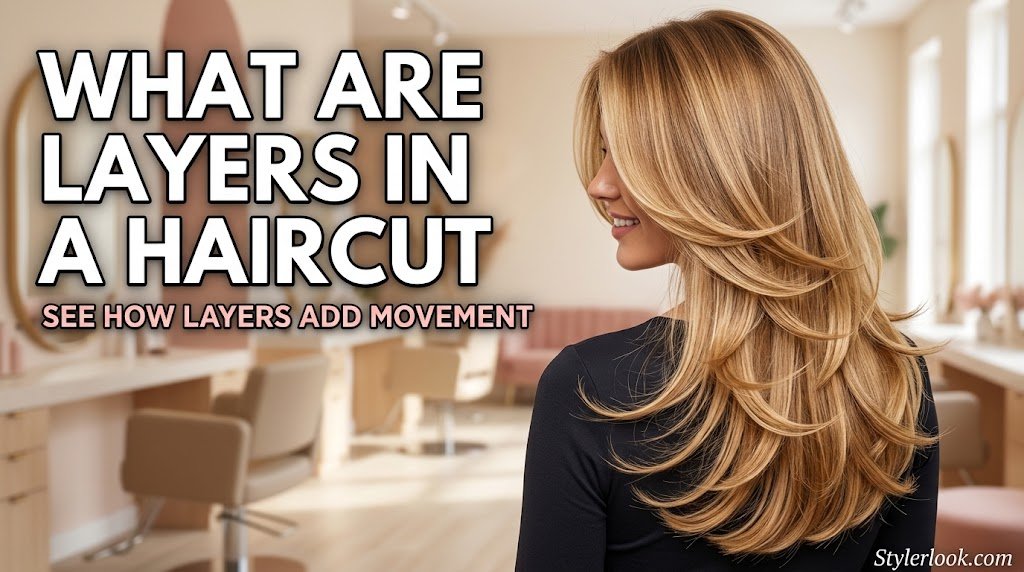
Layers are sections of hair cut at different lengths. Instead of every strand ending at the same point, shorter pieces blend into longer ones to create shape and movement.
In long hair, layers can start near the crown, around the cheekbones, or only at the ends. Where they start and how steep the angle is changes the whole look.
How Layers Work
Hair is cut at an angle, either lifted straight up from the head or held out at a lower angle. Higher lift creates shorter layers and more volume. Lower lift creates longer, softer layers that keep more weight.
Layers vs a Blunt Cut
A blunt cut gives a solid, heavy line at the bottom. Layers break up that weight so hair swings, bounces, and moves.
Why So Many People Choose Layers
- They add movement to flat, straight hair
- They remove weight from thick hair
- They give fine hair the illusion of fullness
- They frame the face
- They make curls and waves look more defined
- They make styling easier and faster
Main Types of Layers for Long Hair
Understanding the types helps you describe what you want. The table below compares the most common options.
| Layer Type | Where Layers Start | Look | Best For |
|---|---|---|---|
| Long layers | Below the shoulders | Soft, subtle movement | Almost everyone, low maintenance |
| Face-framing layers | Around the chin or cheekbones | Frames the face | Most face shapes |
| Choppy layers | Throughout, with texture | Edgy, piecey | Thick, straight, or wavy hair |
| Feathered layers | Mid-lengths to ends | Light, airy flicks | Fine to medium hair |
| Shaggy layers | Crown to ends | Rock-and-roll, messy | Wavy and curly hair |
| Stacked layers | Concentrated at a section | Volume, structure | Thin hair needing lift |
| Invisible (internal) layers | Hidden underneath | Weight removed, length kept | Thick hair |
Long Layers: The Easy Everyday Cut
Long layers are the most popular and forgiving layered style. The shortest layer usually sits around the collarbone or lower, so you keep your length while gaining movement.
If you are nervous about cutting layers, this is the safest starting point.
Who It Suits
Long layers work on straight, wavy, and curly hair of nearly any thickness. They are especially good for people who want shape without losing length.
How to Style It
Blow-dry with a round brush for gentle bend at the ends, or air-dry with a light cream. A loose wave from a curling iron makes the layers look more defined.
Maintenance
Because the layers are long, they grow out gracefully. A trim every eight to twelve weeks keeps the ends healthy and the shape neat.
Face-Framing Layers
Face-framing layers are shorter pieces around the front of the hair that highlight your features. They can start at the chin, cheekbones, or even the eyebrows.
They are one of the easiest ways to refresh long hair without sacrificing length at the back.
Why They Work
These layers draw attention to your eyes, cheekbones, and jawline. They also soften strong angles and add movement near the face.
Variations
Chin-length pieces are classic and flattering. Cheekbone-length layers add lift and structure. Longer curtain-style pieces blend into the rest of the hair.
Styling Tips
Use a flat iron or curling iron to flip the pieces outward or inward. A light texture spray adds separation and keeps them from falling flat.
Layered Long Hair With Curtain Bangs
Curtain bangs are long, center-parted fringe that sweeps to each side. Paired with layers, they create a soft, retro look that grows out easily.
They are a favorite for people who want a fringe without a heavy commitment.
Who It Suits
Curtain bangs flatter oval, heart, round, and oblong faces. They work best with straight or lightly wavy hair, though they can be adapted for curls.
How to Style
Blow-dry the bangs with a round brush, pulling them away from the center. Set them with a little hairspray so they stay swept.
Things to Consider
Bangs need regular trims and may need styling every day. If your hair has a strong cowlick at the front, ask your stylist whether this style will work.
The Butterfly Haircut
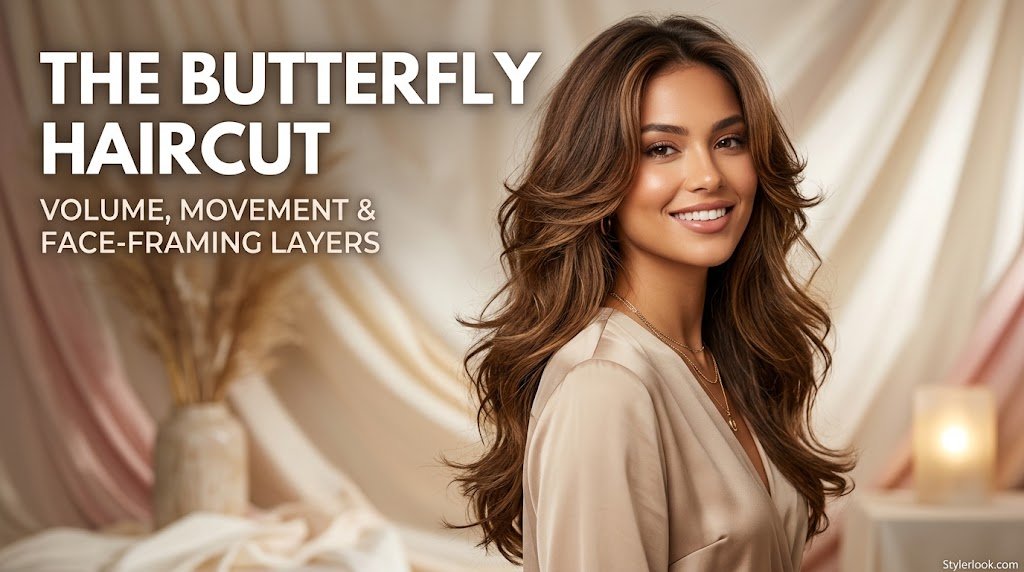
The butterfly cut combines long layers at the back with shorter, face-framing layers at the front. The result looks like wings of hair that float around the face.
It became a social media favorite for its volume, bounce, and blowout-ready shape.
Who It Suits
Butterfly layers suit straight to wavy hair with medium thickness. Very fine hair may look thin at the ends, so ask your stylist to keep enough weight.
Styling Tips
A big, bouncy blowout shows off the layers best. Use a volumizing mousse at the roots and a large round brush to create lift and curve.
Maintenance
Because the front layers are short, they need regular shaping. Plan to visit your stylist every six to ten weeks.
Shag Haircut for Long Hair
The shag is a layered cut with plenty of texture and movement. It has choppy, face-framing layers and often includes bangs.
It is the go-to option for people who want an effortless, lived-in look with plenty of attitude.
Who It Suits
Shags look especially good on wavy and curly hair, because the layers help curls form and bounce. They also work on thick straight hair that needs weight removed.
Styling Tips
Scrunch in a curl cream or sea salt spray, then air-dry or diffuse. Finger-style the shape instead of brushing it.
Things to Consider
Thin, fine hair can look sparse in a heavy shag. Ask for softer layers if your hair is very fine.
The Wolf Cut
The wolf cut blends a shag with a mullet. It has volume and short layers on top and longer, wispier lengths at the back.
It is bold, modern, and gender neutral, and it has influenced a wave of layered styles for both women and men.
Who It Suits
The wolf cut suits wavy, curly, and thick straight hair. It works well on oval, round, and square faces.
Styling Tips
Use texture spray and a diffuser for natural movement. A bit of pomade or paste on the ends adds definition.
Maintenance
Regular trims keep the shape from looking messy. Many people visit their stylist every six to eight weeks.
V-Cut Layers
In a V-cut, the back of the hair is cut into a V shape, with the longest point in the center and shorter lengths at the sides. Layers can be added for movement.
It looks dramatic and elegant, especially with straight or softly wavy hair.
Pros and Cons
V-cuts create a pointed, graceful shape and make hair look longer. However, the shape can look thin at the ends if hair is fine, and it needs regular trims to stay neat.
U-Cut Layers
The U-cut curves the back of the hair into a soft U shape, with the sides blending into longer lengths. It is gentler than a V-cut and looks fuller at the ends.
Who It Suits
U-cuts suit thick or medium-density hair. They give a soft, rounded finish and work well with waves and curls.
Feathered Layers
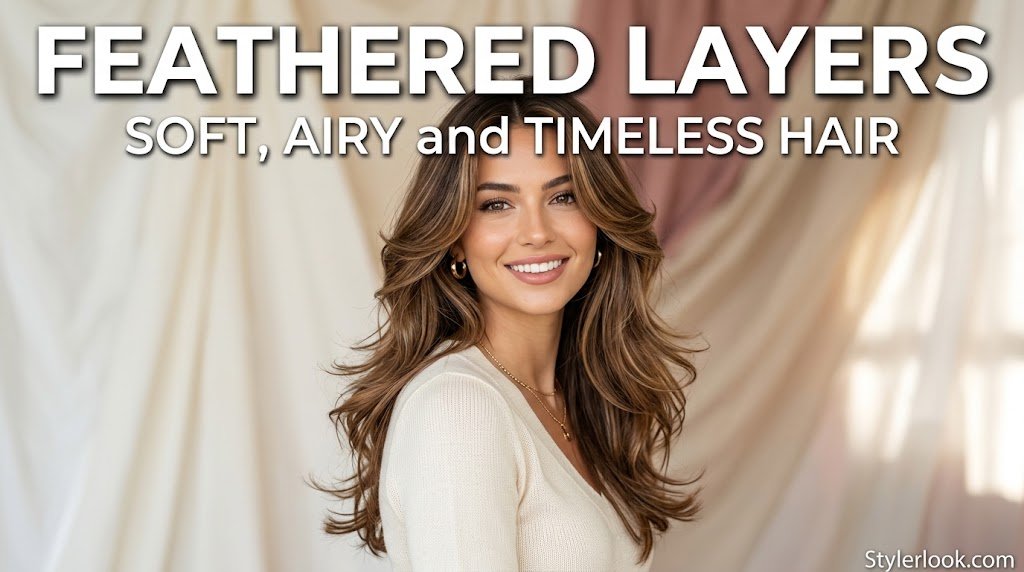
Feathered layers are light, wispy layers that flick outward or inward. They have a vintage 1970s feel and add movement without taking much length.
Styling Tips
Use a round brush while blow-drying and curl the ends gently. A light hairspray helps the feathers hold their shape.
Choppy Layers
Choppy layers are cut in uneven, textured sections for an edgy and playful finish. They work well on thick hair that needs lightening.
Styling Tips
Use a texturizing spray or paste to separate pieces. Avoid too much heat styling, which can make choppy ends look frayed.
Layered Hairstyles for Long Straight Hair
Straight hair shows every line of a cut, so layers are especially visible. Done well, they add bounce and prevent a flat, curtain-like look.
Best Layer Choices
Long layers, face-framing pieces, and feathered ends all look sleek on straight hair. A butterfly cut adds volume if your hair tends to fall flat.
Styling Tips
- Use a volumizing mousse on damp roots
- Blow-dry with a round brush for lift
- Add a flat-iron flick at the ends for movement
- Finish with a lightweight shine serum
What to Avoid
Very short, steep layers can look stringy on fine straight hair. Ask for soft, blended layers.
Layered Hairstyles for Long Wavy Hair
Wavy hair is one of the best canvases for layers. The cut removes weight so waves can spring up instead of dragging down.
Without layers, wavy hair can form a triangle shape that is wide at the bottom and flat on top.
Best Layer Choices
Long layers, shags, and wolf cuts bring out natural waves. Face-framing pieces add a soft, romantic effect.
Styling Tips
Apply a wave-enhancing cream on damp hair and scrunch. Air-dry or use a diffuser on low heat.
Layered Hairstyles for Long Curly Hair
Curly hair needs layers placed with care. Cut well, layers help each curl clump and bounce. Cut badly, they can lead to frizz and uneven shapes.
Why Curly Hair Benefits
Layers remove heavy weight at the bottom and allow curls to lift at the roots. They also prevent the “pyramid” shape that many curly-haired people know too well.
Best Layer Choices
Rounded layers, long layers, and curly shags are popular. Ask for a stylist experienced with curls, and consider a dry cut so you can see how the curls fall.
Styling Tips
Use a leave-in conditioner, curl cream, and gel. Scrunch, diffuse, or air-dry, and avoid brushing when dry.
Layered Hairstyles for Long Fine or Thin Hair
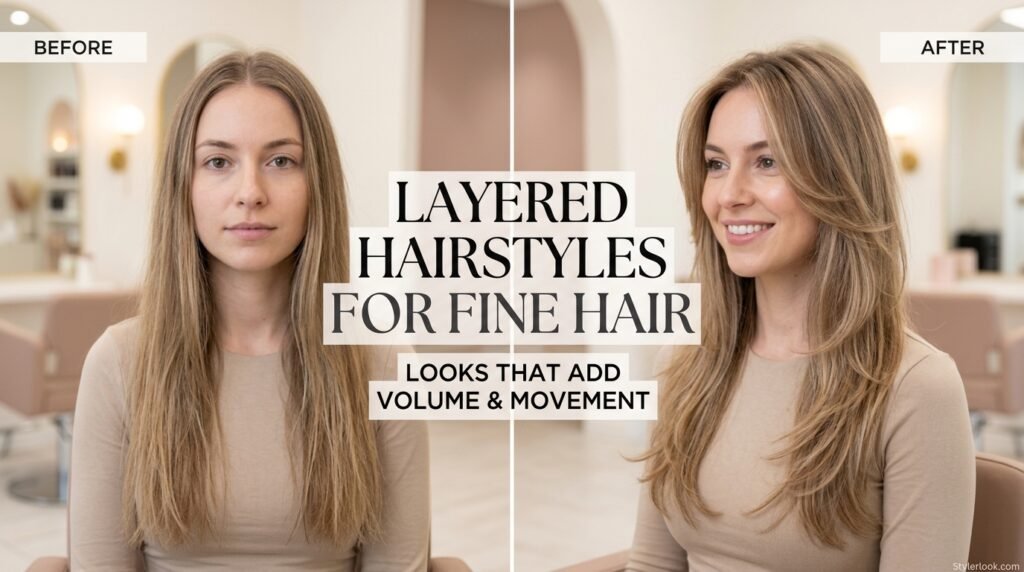
Fine hair can look fuller with the right layers, but the wrong ones can make it look sparse. The key is to keep enough weight at the ends.
Best Layer Choices
Long, subtle layers and face-framing pieces add movement without removing too much density. Stacked layers near the crown can add lift.
What to Avoid
Avoid heavy thinning or razor cutting, which can make ends look wispy. Skip very short, choppy layers.
Styling Tips
Use root-lifting spray and a light volumizing mousse. Dry shampoo at the roots adds texture and lift between washes.
Layered Hairstyles for Long Thick Hair
Thick hair can feel heavy, hot, and hard to style. Layers remove bulk and make hair easier to manage.
Best Layer Choices
Long layers, internal layers, choppy layers, and shags all reduce weight. Face-framing layers add shape.
Styling Tips
Use a smoothing cream and a heat protectant before blow-drying. A nozzle on your dryer helps keep thick hair sleek.
Layered Long Hairstyles by Face Shape
The right layers can balance or highlight your features. Use this table as a starting point, then adjust with your stylist.
| Face Shape | Best Layer Ideas | What to Watch |
|---|---|---|
| Oval | Almost any layer, butterfly, curtain bangs | Very flexible, choose by taste |
| Round | Long layers starting below the chin, side-swept pieces | Avoid heavy volume at the cheeks |
| Square | Soft, face-framing layers, side bangs | Skip sharp, blunt lines at the jaw |
| Heart | Chin-length layers, curtain bangs | Avoid too much volume at the temples |
| Oblong | Face-framing layers with volume at the sides, bangs | Avoid very flat, long, straight styles |
| Diamond | Layers that add width at the forehead and chin | Avoid too much volume at the cheekbones |
Layers for Round Faces
Start layers at or below the chin to create length and avoid adding width at the cheeks. Side-swept bangs and long, face-framing pieces elongate the face.
Layers for Square Faces
Soft, wavy layers and curtain bangs soften a strong jawline. Avoid straight, blunt lines that echo the angles of the jaw.
Layers for Heart-Shaped Faces
Chin-length and longer layers balance a wider forehead. Curtain bangs and side parts are especially flattering.
Layers for Oblong Faces
Add width with layers at the sides and consider bangs to shorten the look of the face. Waves and curls help create balance.
Layers for Diamond Faces
Choose layers that add fullness at the forehead and jawline. Side-swept bangs and soft waves work well.
Layered Long Hair With Bangs
Bangs and layers go hand in hand. The right fringe can frame your face, hide a high forehead, and add personality.
Curtain Bangs
Soft, center-parted, and easy to grow out. They blend smoothly into face-framing layers.
Side-Swept Bangs
Longer pieces swept across the forehead create a gentle, classic frame. They suit most face shapes.
Wispy Bangs
Light and airy, these bangs let some forehead show through. They work well for fine hair.
Blunt or Full Bangs
A bold choice that shows off long layers beneath. These require daily styling and regular trims.
Layered Long Hairstyles for Men
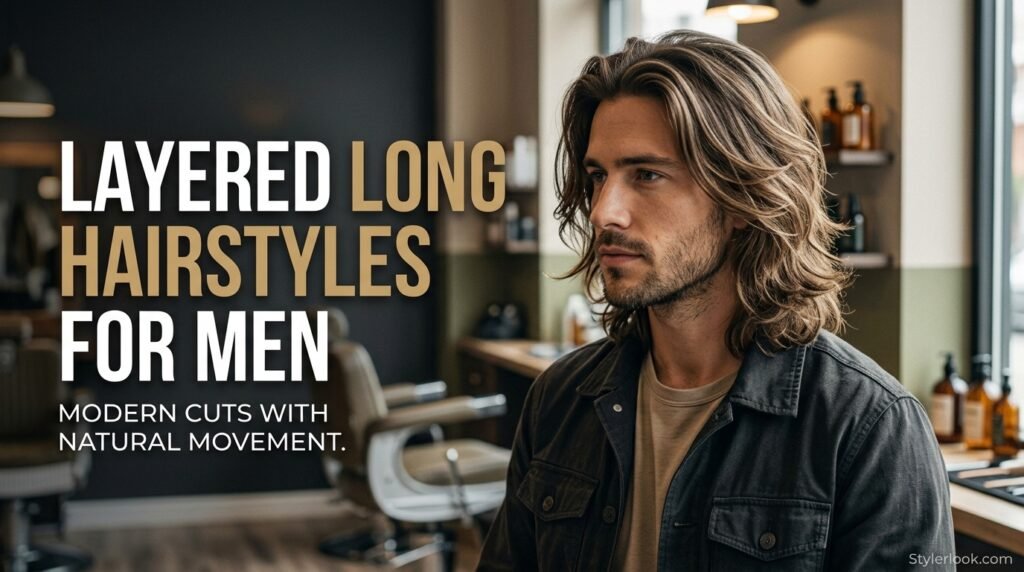
Long layered cuts are not only for women. Many men with long hair use layers to add shape, reduce bulk, and create modern, textured looks.
Popular Styles
- Long layered cuts with a center or side part
- Shaggy layers with a tousled finish
- Wolf cut and modern mullet styles
- Layered waves with a low taper at the sides
Styling Tips
Use a sea salt spray or light paste for texture. A bit of cream tames flyaways without weighing hair down.
Pairing Layers With Fades
Layers on top combine well with low taper fades on the sides. This blend keeps the back and sides neat while leaving length on top.
Layered Hairstyles and Hair Color
Color and layers work as a team. The right color placement highlights the cut and adds depth.
Balayage and Highlights
Hand-painted highlights show movement in layers and add dimension. Lighter pieces around the face create a glow.
Money Piece
A bright section of color framing the face draws attention to face-framing layers.
Dark Roots With Soft Blends
A root smudge adds depth and keeps grow-out easy. It also makes layers look fuller.
Natural and Solid Colors
Rich brunettes, deep reds, and glossy blacks show off layers through shine. Use a gloss treatment to enhance reflection.
Protect Your Color
Use color-safe shampoo, heat protectant, and a leave-in conditioner. Layers can show dryness at the ends, so keep them moisturized.
Best Hair Products for Layered Long Hair
Products should enhance the cut without weighing it down. Choose according to your hair type.
| Hair Type | Helpful Products | Purpose |
|---|---|---|
| Fine or thin | Volumizing mousse, root lift spray, dry shampoo | Lift and body |
| Thick | Smoothing cream, serum, heat protectant | Control and shine |
| Wavy | Wave cream, sea salt spray, light gel | Define waves |
| Curly | Leave-in conditioner, curl cream, gel | Hydration and definition |
| Straight | Lightweight serum, texture spray | Shine and movement |
| Color-treated | Color-safe shampoo, bond treatments | Protect and repair |
How to Choose
Start with fewer products and add as needed. Too many products can weigh layers down and make them look greasy.
Tools for Styling Layers
The right tools make styling faster and give better results.
Blow Dryer With Nozzle
A nozzle directs airflow for smoother, shinier results.
Round Brush
Use a round brush to add curve and lift. Choose a larger barrel for long layers and a smaller one for face-framing pieces.
Flat Iron or Curling Wand
A flat iron can flick layers outward or inward. A curling wand creates loose waves that show off the cut.
Diffuser
A diffuser is ideal for wavy and curly layers because it dries hair gently without disturbing the pattern.
Heat Protection
Always apply a heat protectant before using hot tools. Heat damage shows quickly on layered ends.
How to Style Layered Long Hair: Step by Step
You do not need a salon to get a polished finish. Follow these steps for a classic bouncy blowout.
Step 1: Start With Clean, Damp Hair
Shampoo and condition, then towel-dry gently. Avoid rubbing, which causes frizz.
Step 2: Apply Products
Use heat protectant, then a volumizing mousse at the roots. Add a smoothing cream through the lengths if needed.
Step 3: Rough Dry
Dry hair until about 80 percent dry with your fingers or a brush.
Step 4: Section and Shape
Divide hair into sections. Use a round brush to lift at the roots and curve under or out at the ends.
Step 5: Style the Face-Framing Layers
Blow-dry or use a flat iron to shape the front pieces. Sweep them outward for a lifted look.
Step 6: Finish
Apply a light hairspray and a drop of shine serum to the ends. Shake out your hair and fluff at the roots.
How to Ask Your Stylist for Layers
Clear communication is the best way to get the cut you want. Many layered haircut disappointments come from a mismatch of expectations.
Bring Photos
Choose two or three photos of the cut you like and one that shows what you do not want. Pictures remove guesswork.
Use Clear Language
Say where you want layers to start, how much length you want to keep, and whether you want bangs. Mention how much time you are willing to spend styling.
Describe Your Hair Habits
Tell your stylist if you air-dry, heat-style daily, or wear ponytails often. The cut should suit your routine.
Discuss Your Hair Type
Explain whether your hair is fine, thick, curly, or color-treated. Ask how the layers will behave as they grow.
Questions to Ask
- Where will the shortest layer sit?
- How much length will I lose?
- How will this look when it dries naturally?
- How often will I need a trim?
Maintenance: How Often to Trim Layered Hair
Layers need regular care to keep their shape and health. Most stylists suggest trims every six to twelve weeks, depending on the cut.
| Style | Suggested Trim Frequency |
|---|---|
| Long, subtle layers | Every 8 to 12 weeks |
| Face-framing layers | Every 6 to 10 weeks |
| Butterfly cut | Every 6 to 10 weeks |
| Shag or wolf cut | Every 6 to 8 weeks |
| Curtain bangs | Every 3 to 5 weeks (quick bang trims) |
Home Care
Use a weekly deep conditioner or hair mask, sleep on a silk or satin pillowcase, and avoid tight ponytails that dent layers.
Can You Cut Layers at Home?
It is possible, but it carries risk. A poorly cut layer is hard to fix and may force you to cut off length.
If You Decide to Try
- Use sharp hair-cutting shears, not kitchen scissors
- Start with a small amount, since you can always cut more
- Cut only the front layers if you are a beginner
- Watch a reliable tutorial and keep hair clean and dry
When to Visit a Pro
For curly hair, major changes, or color-treated hair, a professional stylist is safer. They understand how layers interact with texture and density.
Common Mistakes With Layered Long Hair
Even a great cut can look off if a few mistakes creep in.
Cutting Layers Too Short
Shorter layers lose length and can look sparse on fine hair. Start longer and refine later.
Ignoring Hair Texture
A cut that looks great on straight hair may behave differently on curls. Choose layers that match your natural pattern.
Skipping Regular Trims
Split ends and uneven layers make hair look dull. Regular trims keep it neat.
Overusing Heat
Layered ends are more exposed to heat damage. Use protectant and limit hot tools.
Using Heavy Products
Thick creams and oils weigh down layers and hide movement. Use lightweight formulas.
Not Considering Maintenance
Some cuts need styling every day. Be honest about how much time you want to spend.
Styling Layered Long Hair for Different Occasions
One cut can take you from the office to a wedding with a few styling tweaks. Here are easy ideas.
Everyday Casual
Air-dry with a light cream, or use a loose braid for soft waves. A claw clip adds a quick, polished touch.
Work and Professional Settings
A sleek blowout with smooth ends looks neat and confident. Tuck face-framing layers behind your ears if you want a cleaner look.
Date Night
Create loose curls with a wand and brush them out for soft, romantic waves. Add a little shine spray.
Weddings and Formal Events
Try a half-up style that leaves the layers falling around the shoulders. A low ponytail with face-framing pieces left out is another elegant option.
Gym and Active Days
A high ponytail may show the layers at the nape. Use a soft scrunchie and a few pins to keep shorter pieces in place.
Can You Wear Layered Hair in a Ponytail or Updo?
Yes, but layers can make it trickier. Shorter pieces may fall out of a tight ponytail.
Tips for Ponytails
Use a lower ponytail and let shorter pieces frame the face. A texturizing spray gives grip and helps layers stay put.
Tips for Braids
Loose braids and half-up styles work best. Pin back short sections and let the rest fall naturally.
Growing Out Layers
Layers grow out unevenly, so patience and a plan help. Many people simply want to return to a single length without losing too much hair.
How to Do It
Ask your stylist for a trim that blends the shortest layers into the rest. Regular small trims keep the ends neat while you grow out the shape.
Styling During Grow-Out
Use clips, headbands, and braids to manage short pieces. Texture products and curling tools can disguise uneven lengths.
Keeping Layered Long Hair Healthy
Long hair is older at the ends and more prone to damage. Healthy hair makes layers look fuller and shinier.
Wash Smart
Wash two to four times a week, depending on your scalp and texture. Use a gentle shampoo and condition the lengths and ends.
Deep Condition Weekly
A hair mask restores moisture and reduces breakage. Look for ingredients like shea butter, argan oil, and ceramides.
Protect From Heat and Sun
Use heat protectant every time and wear a hat or scarf in strong sun. UV exposure can dry and lighten hair.
Eat a Balanced Diet
Hair needs protein, iron, zinc, and healthy fats. If you notice unusual shedding, check with a healthcare provider.
Be Gentle When Brushing
Detangle from the ends upward with a wide-tooth comb or loop brush. Avoid brushing wet hair aggressively.
Pros and Cons of Layered Hairstyles for Long Hair
Every cut has trade-offs. Here is an honest summary.
| Pros | Cons |
|---|---|
| Adds volume and movement | May need regular trims to keep shape |
| Removes weight from thick hair | Can thin ends if cut too aggressively |
| Frames the face | Short layers may be hard to tie back |
| Makes waves and curls look defined | Needs the right stylist for curls |
| Easy to style with simple tools | Mistakes can mean losing length |
| Works for many ages and face shapes | Some styles require daily styling |
Quick Decision Guide: Which Layered Cut Is Right for You?
Use this table to narrow down your options.
| Your Situation | Best Layered Cut |
|---|---|
| Want to keep maximum length | Long layers |
| Want to frame your face | Face-framing layers or curtain bangs |
| Hair is fine and flat | Subtle layers, stacked near crown |
| Hair is thick and heavy | Internal layers or long layers |
| Wavy or curly hair | Shag, wolf cut, or rounded layers |
| Want a bold, trendy look | Butterfly cut or wolf cut |
| Prefer low maintenance | Long layers with no bangs |
| Love vintage vibes | Feathered layers |
Trends and Inspiration
Layered styles have been popular for decades, and each era adds its own twist. Today, soft, natural movement and lived-in texture are the most requested looks.
Soft and Airy
Light layers with a glossy finish emphasize healthy hair and gentle movement.
Bold and Textured
Shag and wolf cuts remain popular for people who want personality.
Retro Revival
Feathered layers and curtain bangs borrow from the 1970s and have stayed in style.
Gender-Neutral Cuts
Long layered cuts, wolf cuts, and textured shags work for all genders and are shaping many modern salon menus.
Also Read:
- Short Layered Hairstyles: The Complete Guide to Cuts, Styling and Face Shape Matches (2026)
- 20 Trendy Low Taper Fade With Long Hair Styles 2026
- Modern Mullet Men Haircut Ideas That Are Trending
- 21 Best Low Taper Fade Mullet Haircuts for Men 2026
- 27 Stylish Low Taper Fade Wavy Hair 2026
- 27 Stylish Low Taper Fade Curly Haircuts for Men 2026
- Low Taper Fade Middle Part 2026 Guide to Effortless Style
- 22 Trendy Low Taper Fade Fringe Haircuts for Men
- 16 Best Low Taper Fade Fluffy Hair 2026
- 24 Trendy Messy Low Taper Fade Haircuts 2026
- Stunning Short Mod Cuts You’ll Absolutely Love
- Ice Cream Haircut: Before & After That’ll Blow Your Mind
- 20 Old Money Haircuts for Men That Signal Wealth
- 27 Best Burst Fade Haircut Ideas for Men (2026) + Complete Barber Guide
- Burst Fade Buzz Cut: 33 Must-Try Styles for Men in 2026
- 15 Popular Low Taper Fade Blowout Haircut 2026
- Low Taper Fade with Beard: 17 Best Styles for Men 2026
- 22 Trendy Low Taper Fade Short Haircut for Men 2026
- 20 Trendy Low Taper Fade Edgar for Men 2026
- 22 Trendy Low Taper Fade Slick Back for Men 2026
- 22 Trendy Low Taper Fade Quiff Haircuts for Men 2026
- Low Taper Fade French Crop Hair | Modern Stylish Haircut 2026
- Drop Fade Haircut Ideas: Modern Styles for Men of All Ages
- 27 Low Taper Fade With Trending Textured Crop 2026
Frequently Asked Questions (FAQs)
What are the best layered hairstyles for long hair?
Popular options include long layers, face-framing layers, the butterfly cut, shag, wolf cut, curtain bangs with layers, V-cut, and U-cut. The best choice depends on your hair texture, thickness, and face shape.
Do layers make long hair look thicker?
Layers can create the look of volume, especially in fine hair, by adding movement and lift. In very thin hair, too many short layers can make ends look sparse.
Are layers good for thin long hair?
Yes, if they are subtle and well blended. Ask for long layers or face-framing pieces and avoid heavy thinning.
Are layers good for thick long hair?
Absolutely. Layers remove bulk, reduce weight, and make thick hair easier to style and dry.
How long should my hair be for layers?
Hair about shoulder length or longer works well, but you can add layers to nearly any length. Longer hair allows more variety in layer placement.
How many layers should I ask for?
It depends on your goal. Fine hair usually looks best with fewer, longer layers, while thick hair can handle more. Your stylist can adjust based on density.
What is the difference between a butterfly cut and a layered cut?
A butterfly cut is a specific style with long layers at the back and short, face-framing layers at the front. A general layered cut can use any layer pattern.
What is the difference between a shag and a wolf cut?
A shag has choppy layers with a soft, rock-inspired shape. A wolf cut is a hybrid of a shag and mullet, with shorter, voluminous top layers and longer back lengths.
Are layered haircuts good for wavy hair?
Yes. Layers remove weight so waves can bounce rather than drag down, and they prevent the triangle shape common in wavy hair.
Are layered haircuts good for curly hair?
They can be excellent when cut by a stylist who understands curls. Rounded layers and curly shags help shape and define curls.
What layers suit a round face?
Long layers starting below the chin, side-swept bangs, and face-framing pieces create length and avoid adding width at the cheeks.
What layers suit a square face?
Soft, wavy layers and curtain bangs soften a strong jawline. Avoid blunt, straight lines at the jaw.
What layers suit a heart-shaped face?
Chin-length and longer layers, plus curtain or side-swept bangs, balance a wider forehead.
Do layers need a lot of maintenance?
Long layers are low maintenance, while butterfly, shag, and wolf cuts need trims every six to eight weeks and some daily styling.
How often should I trim layered long hair?
Most stylists suggest every six to twelve weeks, depending on the style. Face-framing layers and bangs may need more frequent touch-ups.
Can I air-dry layered hair?
Yes. Apply a light styling cream or wave product and let it dry naturally. Wavy and curly hair benefit most from air-drying or diffusing.
Can men have long layered hair?
Yes. Men often choose long layers, shags, wolf cuts, and modern mullets for texture and movement. Layers can also be paired with low taper fades.
How do I style layers without heat?
Use a braid, twist, or heatless curlers on damp hair. A lightweight cream or sea salt spray adds texture.
Can I wear layered hair in a ponytail?
Yes. Use a low ponytail, texturizing spray, and a few pins to keep short pieces in place.
How do I grow out layers?
Ask your stylist to blend the shortest layers into the rest with small, regular trims. Use clips and braids to manage short pieces in the meantime.
Conclusion
Layered hairstyles for long hair work because they give length something it often lacks: shape. The right layers can lift flat roots, lighten heavy hair, frame your face, and help waves and curls fall naturally.
Start with your hair type and your daily routine. Fine hair does best with subtle, long layers, thick hair can handle internal or choppy layers, and wavy or curly hair loves a shag or wolf cut. Match the details to your face shape and the style you are willing to maintain.
Bring photos to your stylist, describe where you want the shortest layer to sit, and plan regular trims to keep the cut fresh. A little styling with the right tools and lightweight products will do the rest.
Whether you choose soft long layers, a bouncy butterfly cut, or a textured wolf cut, a well-planned layered cut can transform long hair from simply long to truly stunning.

1 thought on “Layered Hairstyles for Long Hair: The Complete Guide to Cuts, Styling and Face Shape Matches 2026”