
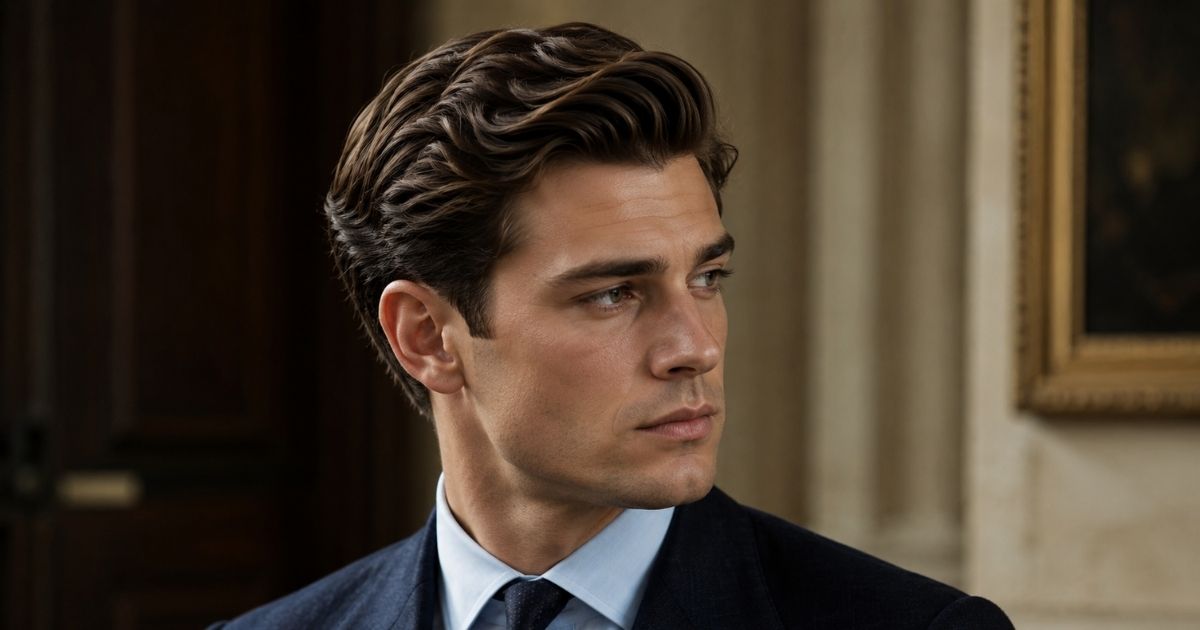
Some haircuts shout for attention. Old money haircuts never need to. They speak through clean lines, quiet confidence, and a finish that looks effortless even though every detail has been considered.
If you have scrolled through old money aesthetic boards or watched a few prep school style edits, you have probably noticed a pattern. The hair is short on the sides, slightly longer on top, and always neat. There is no flashy color, no extreme fade, and no overworked styling product. It simply looks right.
This guide breaks down the top old money haircuts for men, explains what makes each one work, and shows you how to choose and request the right style for your face shape, hair type, and lifestyle. Whether you want a sharp office look or a relaxed weekend cut, there is a classic style here that fits.
Quick Answer: What is an Old Money Haircut?
Old money haircuts feature clean tapers, modest length, and tidy edges with minimal styling products. They favor timeless structure over trends, drawing from Ivy League and prep school traditions. Think classic side parts and tapers, polished yet understated, signaling quiet confidence rather than effort.
Top Old Money Haircuts for Men
Discover Your Best Look
Old money style is less about a single haircut and more about a family of timeless cuts that share the same DNA: tidy sides, controlled volume, and a polished finish. Below are the most requested styles, what makes them work, and who they suit best.
Read More: Stunning Short Mod Cuts You’ll Absolutely Love
Classic Taper
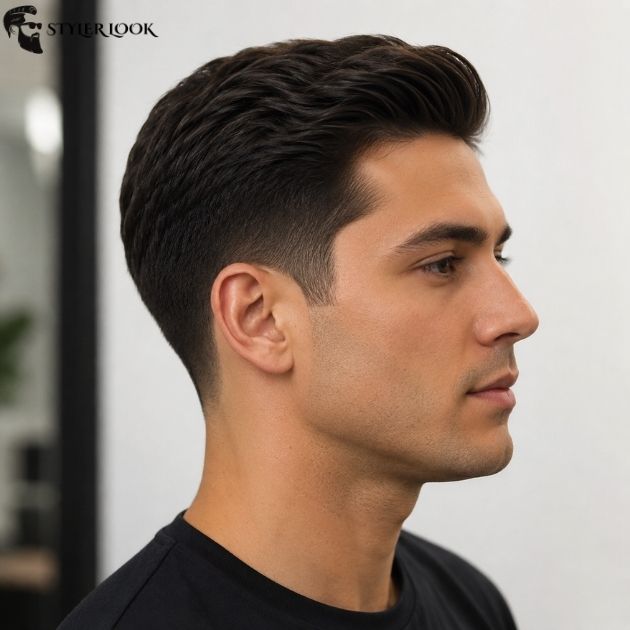
The classic taper is the backbone of nearly every old money look. The sides gradually shorten from the top down to the neckline, with no harsh lines or sudden contrast. The top stays longer, giving you room to comb, part, or style it back.
This cut works for almost every face shape and hair type, which is why barbers consider it a safe, dependable starting point. It also grows out gracefully, so you are not stuck looking unkempt between appointments.
French Crop
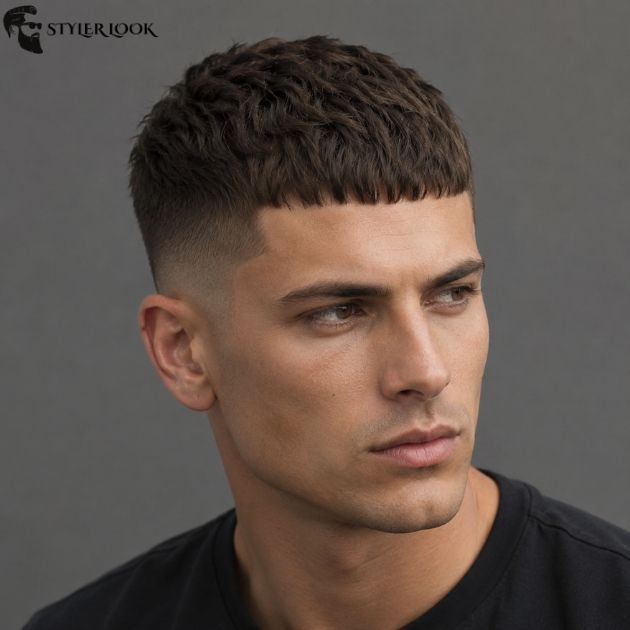
The French crop pairs short, tight sides with a textured, slightly longer top and a fringe trimmed straight across the forehead. It feels modern, but its roots trace back to the Caesar cut, which gives it a classic foundation.
This style suits men with straight to slightly wavy hair and adds the appearance of density for those with fine or thinning strands.
Undercut
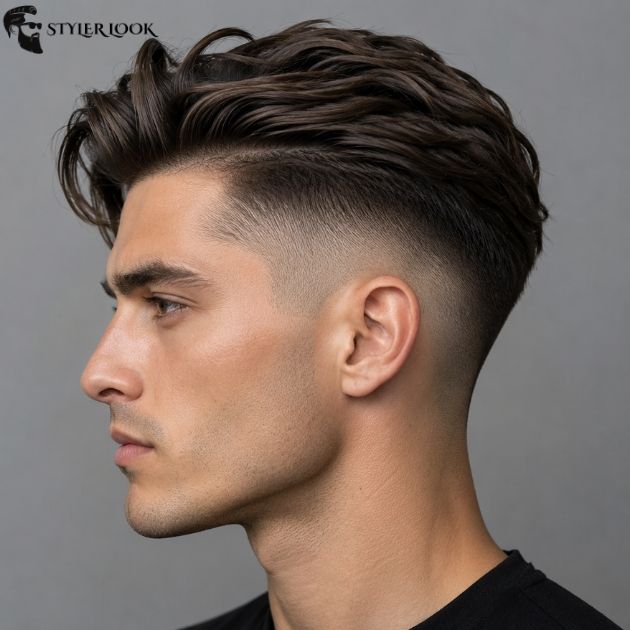
The undercut creates a strong contrast between very short sides and a noticeably longer, fuller top. Done the old money way, the disconnect is kept soft rather than razor sharp, which keeps it looking refined instead of edgy.
It is a good pick for men who want their hair to make a statement without crossing into trendy territory.
Read More: Ice Cream Haircut: Before & After That’ll Blow Your Mind
Ivy League Cut
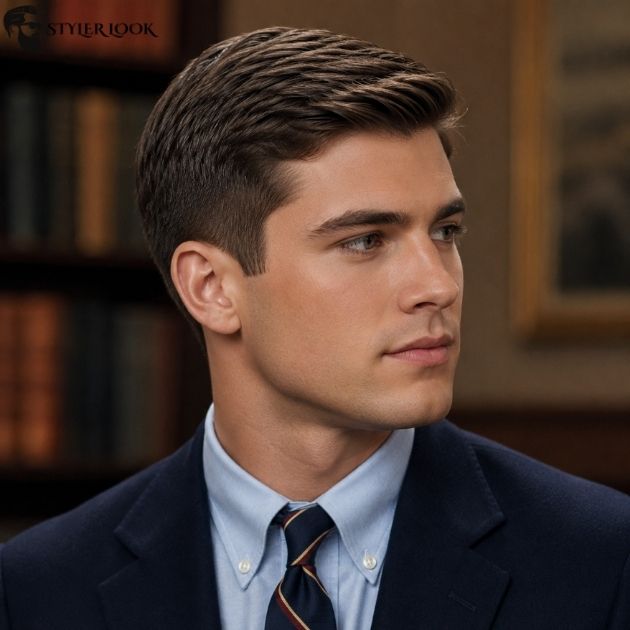
The Ivy League cut sits between a crew cut and a side part. Sides and back are tapered short, while the top carries one to two inches of length, just enough for a subtle quiff or a clean side part.
Named after the elite universities that popularized it, this cut is arguably the single most recognized old money hairstyle. It works with fine to medium hair that holds a light natural wave.
Classic Slick Back
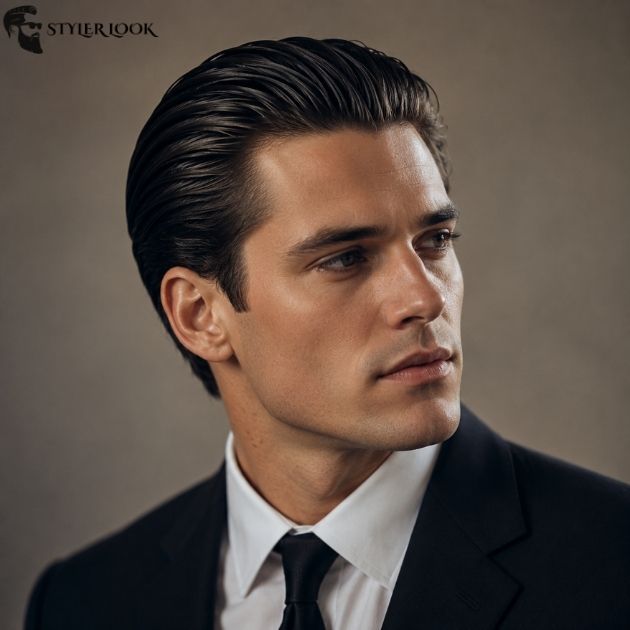
The classic slick back takes longer top hair and combs it straight back, away from the face, for a smooth and deliberate finish. The sides stay short and tapered so the top has somewhere to sweep into.
It needs straight or wavy hair and a confident hand with the comb, but the payoff is a sharp, executive look favored by old-school financiers and modern professionals alike.
Classic Pompadour
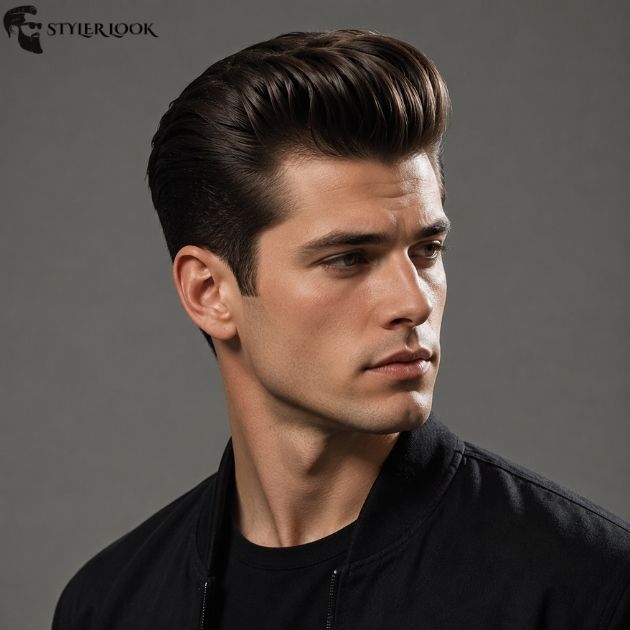
The pompadour builds height and volume at the front, then sweeps the hair back in one smooth motion. The sides remain short, which keeps the silhouette controlled even with all that lift on top.
This is a bolder old money style, ideal for men who want presence without resorting to anything flashy or trend driven.
Layered Cut
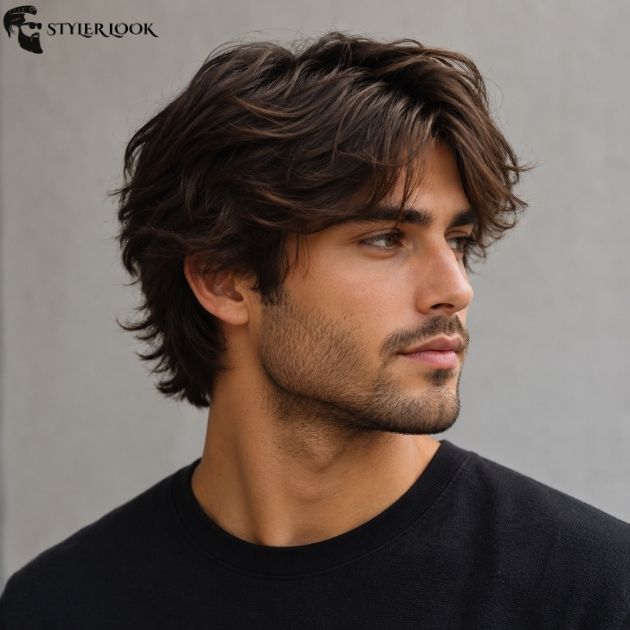
The layered cut uses stacked sections to build soft volume and natural movement, rather than relying on a single blunt length. It suits men with straight to wavy hair who want texture without heaviness.
Because the layers move naturally, this style requires very little daily effort once it has been cut correctly.
Read More: Burst Fade Buzz Cut: 33 Must-Try Styles for Men in 2026
Caesar Cut
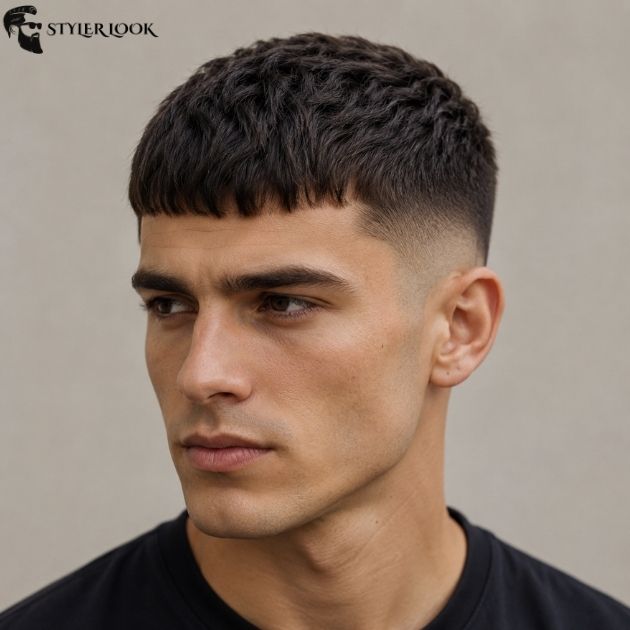
Named after Julius Caesar, this cut keeps the length short and uniform all over, with a straight fringe brushed forward. Its simplicity is exactly the point: nothing about it looks try-hard, which is the entire old money philosophy in one haircut.
Classic Quiff
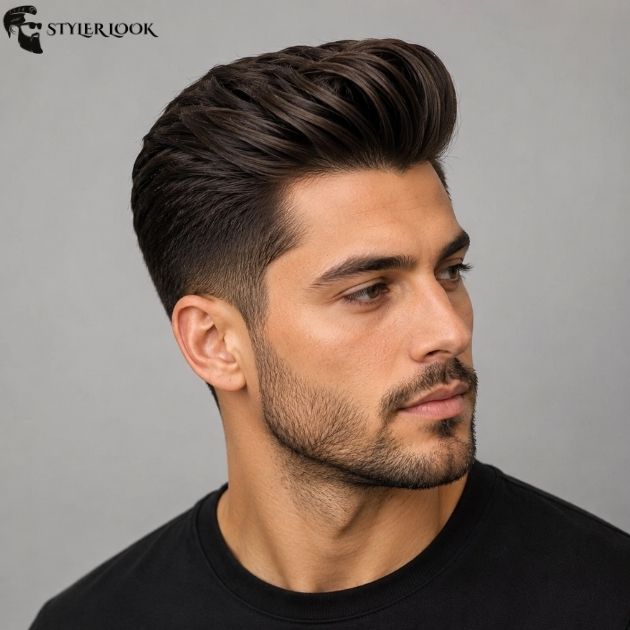
The quiff lifts the front section of hair upward and slightly back, creating height without the full sweep of a pompadour. It is a versatile middle ground between a relaxed everyday cut and something dressier for evenings out.
Layered Medium Cut
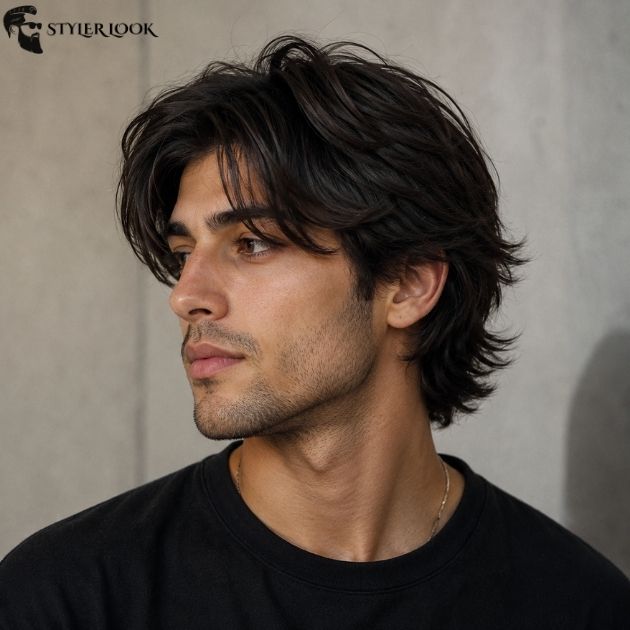
This is a longer take on the layered cut, with length extending past the ears or collar while still maintaining tapered sides. It carries a relaxed, almost aristocratic charm and pairs well with a side part or a loose, natural finish.
Classic Comb Over
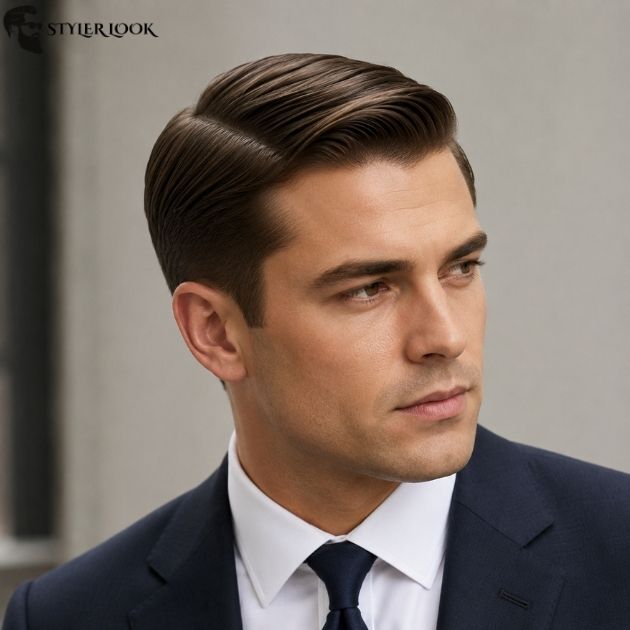
The comb over directs longer top hair to one side using a defined part. The old money version keeps the transition soft, with subtle tapering rather than a hard, modern fade. It is a conservative, professional choice that has barely changed in decades.
Read More: Low Taper Fade with Beard: 17 Best Styles for Men 2026
Bro Flow
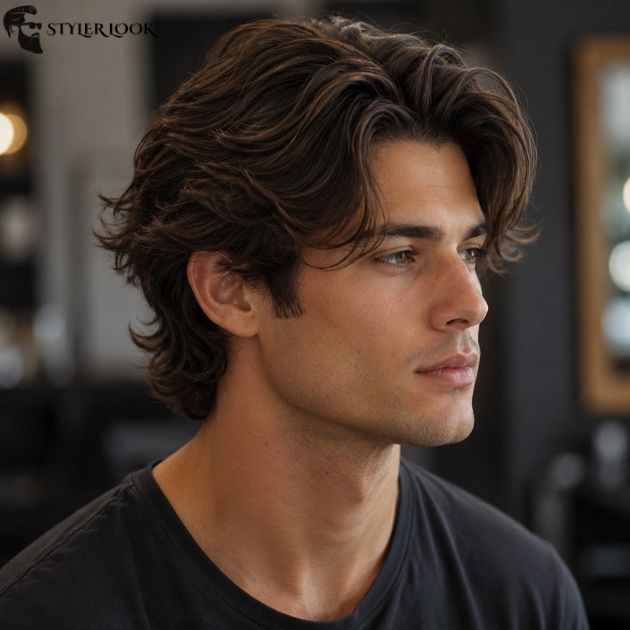
The bro flow allows hair to grow out naturally on top while keeping the sides tidy, creating a swept-back, wind-blown look. It works particularly well with thicker or wavy hair and pairs effortlessly with a casual, country-club style wardrobe.
Side Fringe
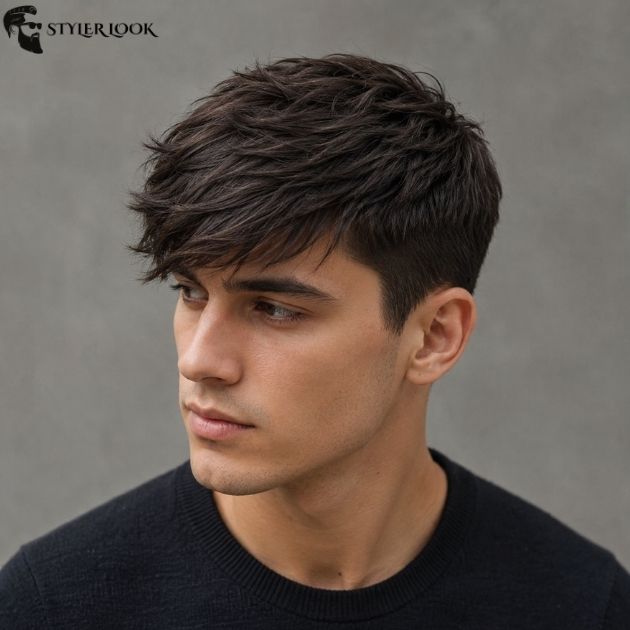
The side fringe brings the front section of hair diagonally across the forehead. Paired with short, tapered sides, it gives a youthful but composed appearance that suits men who want something slightly less formal than a hard side part.
Classic Crew Cut
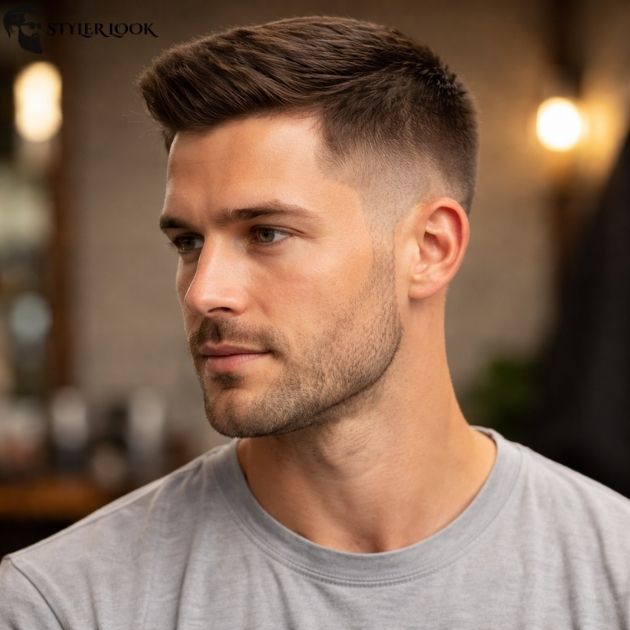
The crew cut keeps length short and even on top, with closely tapered sides and back. Born from military and university traditions, it remains one of the lowest-maintenance old money cuts and works with nearly every hair texture.
Classic Side Part
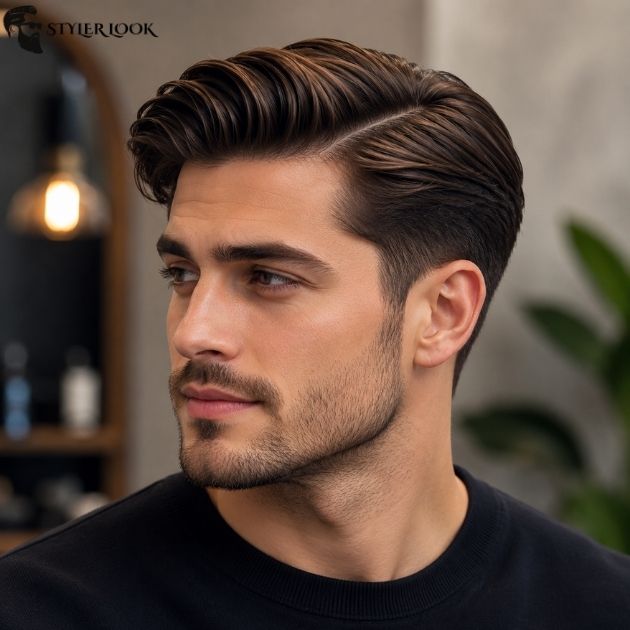
The side part is arguably the most iconic old money haircut. A defined, natural part separates neatly combed sections of hair, creating symmetry and order. It is a long-standing favorite in boardrooms, private clubs, and formal events.
Curtain Cut
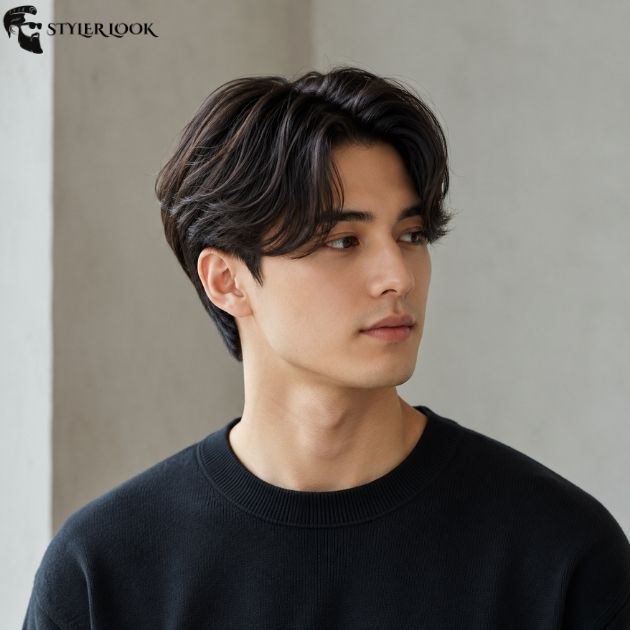
The curtain cut parts longer top hair down the middle, letting both sides fall naturally toward the face. Popularized in the 1990s, its old money appeal comes from looking effortlessly tousled rather than deliberately styled.
Scissor Cut
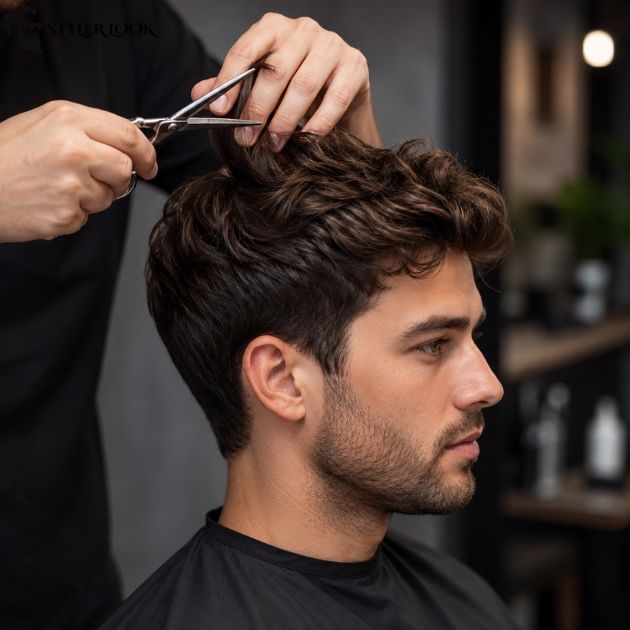
A scissor cut avoids clippers almost entirely, relying on hand-cut texture for a soft, natural finish. It suits thicker or wavier hair types and gives a less rigid, more organic version of the classic taper.
Side Swept
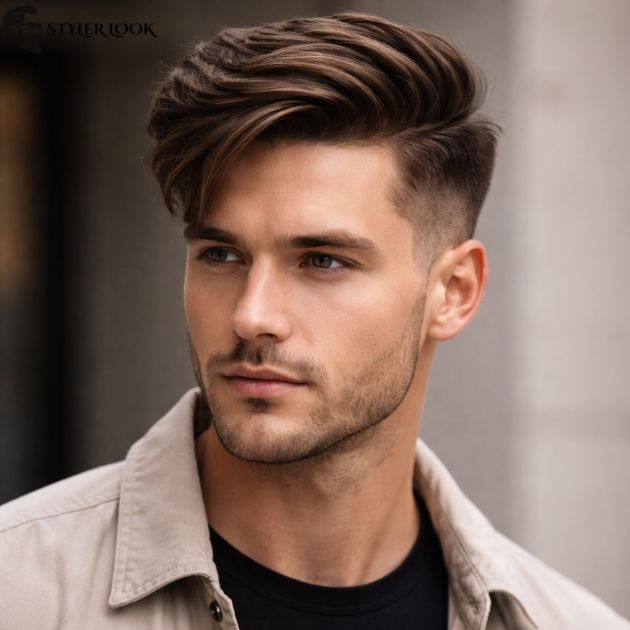
The side swept style angles the top hair to one side using gentle texture rather than a sharp part. It is a slightly more relaxed cousin of the side part, well suited to casual settings and weekend wear.
Brushed Back
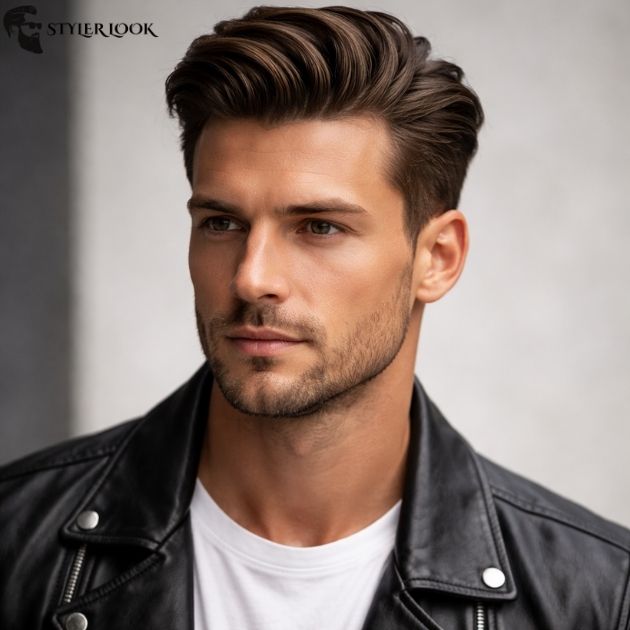
Brushed back hair is pushed straight off the face using fingers or a brush rather than a comb, giving a more natural, lived-in version of the slick back. It works well for men who want polish without rigid styling.
80/20 Haircut
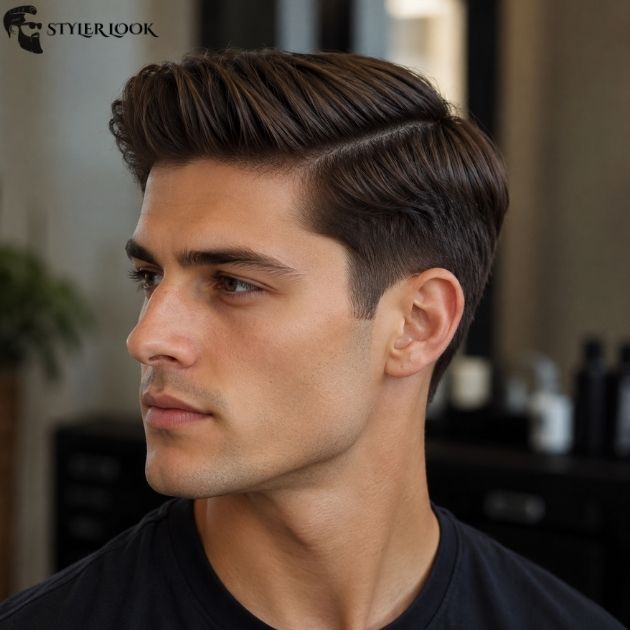
The 80/20 haircut is a side part with an asymmetric split, where roughly eighty percent of the hair sits on one side and twenty percent on the other. It creates a sharper, more defined part line than a standard side part and is popular among men who want extra structure for formal occasions.
What Is an Old Money Hairstyle?
An old money hairstyle is a haircut that favors timeless structure over current trends. The look is defined by clean tapers, modest length, tidy edges, and a finish that appears natural rather than overworked.
These styles are closely tied to prep school culture, Ivy League universities, British aristocracy, and decades of formal grooming standards. Instead of bold fades, dramatic color, or heavy gel, old money hair relies on:
- Balanced proportions between the top and sides
- Soft, gradual tapering instead of sharp disconnections
- Minimal product for a natural, controlled finish
- Sharp necklines and trimmed sideburns for a put-together look
The result is a haircut that looks appropriate in a boardroom, at a family dinner, or on a golf course, without ever needing to be adjusted for the occasion.
How to Choose the Right Old Money Hairstyle
Not every classic cut suits every man. The right old money haircut depends on three main factors: your face shape, your hair type, and how much daily maintenance you are willing to put in.
Consider Your Face Shape
- Round faces benefit from added height on top, such as a quiff or pompadour, to elongate the face.
- Square faces suit a classic taper or side part, which complements strong jawlines without adding extra width.
- Long faces look more balanced with a fringe or curtain cut, which adds visual width across the forehead.
- Oval faces can wear almost any old money style, including the Ivy League cut and slick back, with minimal adjustment.
Know Your Hair Type
Fine hair tends to fall flat, so cuts like the Ivy League or classic pompadour, which rely on volume and lift, tend to work best. Thick or wavy hair pairs naturally with the layered cut, scissor cut, or bro flow, since these styles use the hair’s existing texture instead of fighting it. Straight hair holds slick backs and side parts cleanly, which makes those finishes easier to maintain.
Match the Style to Your Lifestyle
A demanding work schedule calls for a low-maintenance option like the crew cut or classic taper. If you have more time for styling each morning, a pompadour or slick back gives you more dramatic results. Active lifestyles, including frequent gym sessions or sports, usually suit shorter, sweat-resistant cuts such as the Caesar cut or Ivy League.
How to Ask Your Barber for an Old Money Haircut
Walking into a barbershop and saying “give me an old money haircut” rarely produces consistent results, since the term covers a wide range of specific cuts. Being precise gets you a far better outcome.
Use the Right Terms
Name the exact style you want, such as “classic taper with a side part” or “Ivy League cut with one to two inches on top.” Mention the type of taper or fade you prefer, since “skin fade” and “low taper” produce very different finishes even within an old money look.
Bring a Reference Photo
A photo removes nearly all guesswork. Old money style is detail-oriented, and small differences in length or taper height change the entire result. Showing your barber an image ensures you are both picturing the same haircut.
Keep It Simple
Avoid asking for combinations of trendy techniques layered onto a classic cut, since this often muddies the clean lines that define the old money look. Stick to one core style, and let your barber refine the details rather than overcomplicating the request.
Conclusion
Old money haircuts for men have stayed relevant for one simple reason: they are built on structure, not trend. A classic taper, Ivy League cut, or side part looks just as sharp today as it did decades ago, and it will likely still look sharp decades from now.
Choosing the right one comes down to understanding your face shape, your hair type, and how much time you want to spend styling each morning. Once you find your match, communicate clearly with your barber, and keep the maintenance consistent, you get a look that signals quiet confidence rather than effort.
FAQ’s
What is the most popular old money haircut for men?
The classic side part and the Ivy League cut are the two most requested old money hairstyles, since both suit nearly every face shape and hair type.
How often should I get an old money haircut trimmed?
Most classic styles should be trimmed every three to five weeks to maintain a clean neckline and sharp edges.
Do old money haircuts work with thick or curly hair?
Yes. Styles like the scissor cut, bro flow, and layered cut are specifically suited to thicker or wavy textures.
Can I get an old money haircut at any barbershop?
Most barbers are familiar with these classic cuts, but bringing a reference photo helps ensure an accurate result.
Are old money haircuts suitable for older men?
Yes. These styles are designed around timeless structure rather than age-specific trends, making them appropriate at any age.
How much styling product do old money haircuts need?
Very little. A small amount of cream, pomade, or matte paste is usually enough to keep the style neat without looking overdone.
Is the undercut considered an old money haircut?
A softened, low-contrast undercut fits the old money aesthetic, while a sharp, high-contrast version leans more modern or trendy.
Jettson Cole is a style enthusiast and hair trend curator, sharing expert tips to help you look sharp and feel confident every day.