
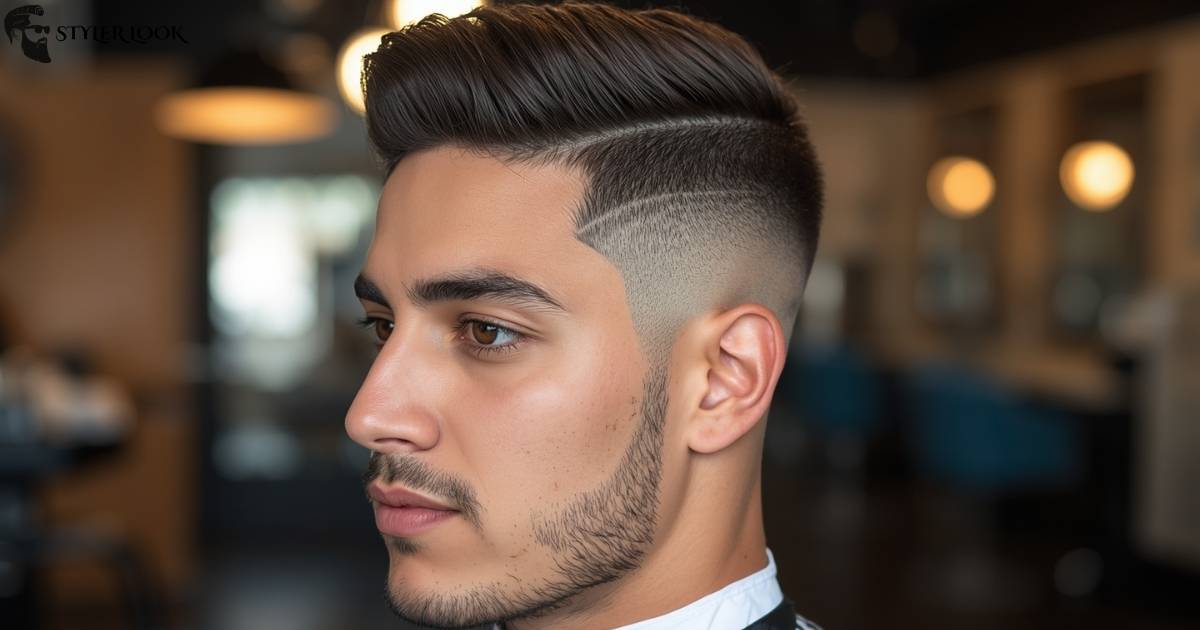
If you have wavy hair and want a cut that works with your natural texture instead of fighting it, the low taper fade is one of the smartest choices you can make. It adds structure and sharpness without stripping away the movement and volume that makes wavy hair so appealing. Whether you prefer something clean and professional or relaxed and lived-in, this cut has a version for every lifestyle.
This guide breaks down everything, from what the style actually means, to the best variations, barber communication tips, and how to style it at home.
Define Low Taper Wavy Hair
Low taper wavy hair refers to a men’s hairstyle where the sides and back are gradually shortened using a tapering technique, starting just above the ears and blending smoothly toward the neckline. The top is left longer to showcase the natural wave pattern, giving the overall look a textured, full, and modern finish.
The key word here is “gradual.” Unlike a blunt cut or an aggressive undercut, the low taper creates a soft, almost seamless transition from longer hair on top to shorter hair near the hairline. This makes it incredibly flattering on wavy hair because the waves on top get to breathe and move freely.
What Is Low Taper Fade Wavy Hair Cut?
The low taper fade wavy hair cut is a specific barbering technique where clippers are used to blend the hair progressively shorter as they move down the sides and back of the head. The fade starts low, sitting just above the ear and neckline, which keeps the transition subtle and understated.
What makes it different from a mid or high fade is placement. A high fade begins near the temples, creating a bold contrast. A mid fade starts around the middle of the head. The low taper fade, however, stays close to the natural hairline, making it softer and more versatile across professional and casual settings.
When combined with wavy hair on top, the cut creates a dynamic contrast between the neat, clean sides and the textured, voluminous top. The result is a polished yet relaxed aesthetic that has made this one of the most requested haircuts in barbershops today.
Why It Works Best for Wavy Hair
Wavy hair comes with built-in texture, movement, and volume, all things that most people spend money trying to create artificially. A low taper fade is one of the few cuts designed to amplify those natural qualities rather than suppress them.
Here is why it works so well:
- It removes bulk without removing length. Wavy hair can become heavy and shapeless over time. The taper lightens the sides while keeping the top full and structured.
- It defines the wave pattern. By reducing weight around the perimeter, the waves on top have more room to form naturally and hold their shape throughout the day.
- It is low maintenance. Because the cut works with your natural texture, you do not need heavy products or complex routines to look put-together.
- It is adaptable. Whether your waves are loose and beachy or tight and defined, the low taper fade complements both.
- It suits multiple face shapes. The subtle fade line keeps proportions balanced, making it flattering for oval, square, round, and heart-shaped faces.
Read More: 22 Trendy Low Taper Fade Quiff Haircuts for Men 2026
Best Low Taper Fade Wavy Hair Styles
Classic Low Taper Fade Wavy Hair

The classic version keeps things simple and timeless. The top sits at about 3 to 4 inches, left naturally tousled with the waves free to move. The sides taper down low and clean without drawing too much attention. This style suits almost every face shape and works just as well in a casual setting as it does in a business environment. Finish with a light sea salt spray to define the waves without weighing them down.
Textured Wavy Taper Fade

This variation adds deliberate texture to the top using a matte clay or styling cream. The waves are scrunched and separated for a piece-y, dimensional look. It is perfect for men with medium to thick wavy hair who want a style that feels intentional and modern without looking overdone. The low fade on the sides keeps everything grounded.
Messy Wavy Taper Fade

Controlled chaos at its best. The top is styled with a finger-rake technique to create volume and movement without defined parts or strict structure. The low taper fade on the sides prevents the look from becoming too disheveled, giving it that “effortlessly styled” quality. A lightweight mousse or sea salt spray works perfectly here.
Short Low Taper Fade Wavy Hair

For men who prefer minimal length on top, the short low taper fade keeps things neat and tight. The waves are shorter but still visible, giving the style texture and personality. This variation requires very little daily product and looks exceptionally clean. It is a great starting point for those new to taper fades.
Read More: 21 Best Low Taper Fade Mullet Haircuts for Men 2026
Long Wavy Taper Fade

This bold version lets the waves on top grow to shoulder length or beyond. The contrast between the long, flowing top and the clean low taper on the sides creates a striking visual balance. It suits men who want a more expressive style and works especially well for oval and diamond face shapes. Regular trims on the sides every three weeks keep the fade crisp while the top grows out freely.
Blowout Wavy Fade

The blowout wavy fade uses a blow dryer and a round brush or diffuser to lift the waves upward and outward for maximum volume. The result is a full, bouncy top with a clean tapered perimeter. This style looks bold but refined, and it pairs beautifully with a sharp lineup or edge-up along the hairline.
Wavy Fringe Low Taper Fade

Longer waves are swept forward to fall across the forehead as a soft fringe. The low taper on the sides and a clean neckline keep the style from looking heavy. This variation adds a youthful and relaxed energy to the look and works well for men with medium to long wavy hair. A light styling cream helps the fringe hold its shape without stiffness.
Read More: 22 Low Taper Fade Asian Hair Styles for Modern 2026
Side Part Low Taper Fade Wavy Hair

A deep side part adds a clean, structured element to wavy hair. The waves are combed or styled to one side, creating a polished and professional appearance. Combined with a low taper fade, this look bridges the gap between classic barbershop styling and modern grooming. Light pomade gives definition without a greasy finish.
Middle Part Wavy Fade

The middle part splits the waves evenly on both sides of the forehead for a balanced, trendy look. It leans into a retro-modern aesthetic that works across casual and semi-formal occasions. Pair it with a low taper fade and even blow-drying on both sides to keep the waves symmetrical and smooth.
Wavy Comb Over Fade

A comb over with wavy hair has a natural, relaxed version of the traditional style. The waves are combed to one side but allowed to keep their texture rather than being slicked flat. The low taper fade provides a neat frame. This is a confident, well-groomed look that suits men who want style without appearing overly formal.
Fluffy Low Taper Fade Wavy Hair

Volume is the star here. The waves on top are diffused and lifted to create a fluffy, cloud-like silhouette. A volumizing mousse applied to damp hair before diffusing helps build that lift. The low taper keeps the sides clean, ensuring the volume on top reads as intentional rather than unruly.
Wavy Fade with Beard

Adding a beard to a low taper fade creates a strong, cohesive frame for the face. The fade blends seamlessly into well-groomed stubble or a fuller beard, giving the entire look a unified, masculine energy. Keep the beard lines sharp and tidy for the best result. This combination suits square and oval face shapes particularly well.
Thick Wavy Taper Fade

Men with naturally thick wavy hair benefit enormously from a low taper fade because it removes excess bulk from the sides while preserving density on top. Ask your barber to use point-cutting or texturizing shears on the top to reduce weight without losing length. The result is a balanced, manageable style that feels lighter and looks fuller.
Thin Wavy Taper Fade

For fine or thin wavy hair, the low taper fade actually creates the illusion of more density. By shortening the sides, all attention shifts to the top where the waves add visual volume. Lightweight volumizing products like a sea salt spray or a root-lifting mousse help enhance thickness without buildup.
Line Up Low Taper Fade Wavy Hair

A sharp lineup or edge-up traces the hairline with precision, adding a clean geometric boundary to the natural waves above. Combined with a low taper fade, this creates one of the most polished and barbershop-fresh looks possible. It suits men who care about crisp detailing and want their cut to look freshly done at all times.
Modern Wavy Taper Fade

The modern variation incorporates current trends like disconnected blending, slight skin fades at the neckline, or a defined temple area. The top may feature a quiff, textured crop, or tousled finish. This style is ideal for men who stay current with grooming trends and want a cut that reflects that awareness.
Loose Waves Fade

Not all waves are tight and defined. Loose, relaxed waves have a beachy, effortless quality that pairs perfectly with a soft low taper fade. The goal is to keep the top flowing and natural without over-styling. Scrunching in a curl-enhancing cream while hair is still damp is the easiest way to encourage loose wave formation.
Layered Wavy Fade

Adding layers to the top of a low taper fade creates dimension and reduces bulk. The layers allow the waves to sit at different heights, giving the hair depth and movement. This works especially well for medium to long wavy hair and is often requested by men growing out their haircut without losing shape.
Wavy Low Taper Fade with Highlights

Color adds another layer of dimension to wavy hair. Subtle highlights, caramel, ash blonde, or copper, catch the light and make each wave strand pop visually. Paired with a low taper fade, highlights transform a good haircut into a genuinely standout style. Balayage-style highlighting works best because it looks natural and does not require frequent touch-ups.
Natural Wavy Taper Fade

This approach involves minimal product and maximum natural texture. The waves are left in their natural state after a gentle diffuse or air-dry, and the low taper fade provides the only structured element. It is the most effortless version of this style and a great choice for men who prefer low-maintenance grooming.
Temple Low Taper Fade Wavy Hair

The temple fade specifically targets the hairline around the temples, tapering cleanly from that point downward. When combined with wavy hair on top, it frames the face with precision and adds definition to the overall shape. It sits between a low taper and a mid fade in terms of placement, giving it a distinct, sharp character.
Curly Wavy Fade

For hair that sits between wavy and curly, sometimes called “2C” or “3A” texture, the low taper fade works exceptionally well. The top features defined curls and waves that sit with volume, while the faded sides maintain neatness. Using a curl-defining cream or leave-in conditioner helps the pattern stay consistent throughout the day.
Casual Wavy Fade

The casual wavy fade is built for everyday wear. The top is styled loosely with fingers, a touch of cream, or nothing at all. The low taper is clean but not overly precise. This relaxed version suits weekends, social settings, and men who want to look good without spending more than two minutes on their hair.
Professional Wavy Fade

A neat side part, a comb over, or a subtle quiff on top makes the wavy fade office-appropriate. The waves are tamed just enough to look intentional and groomed, while the low taper ensures clean lines at the sides and neckline. This is the version to take into interviews, client meetings, or formal events.
Trendy Low Taper Fade Wavy Hair

Trending in 2026, this version often pairs a low taper fade with a disconnected undercut, a shaved temple line, or a dyed top section. It is designed to turn heads and reflects a forward-thinking approach to men’s grooming. Best executed by an experienced barber who can blend modern techniques with your natural wave pattern.
How to Ask Your Barber for Low Taper Fade Wavy Hair
Clear communication at the barbershop saves you from walking out with a cut you did not want. Here is exactly what to say and bring:
- Bring a reference photo. Choose one that shows the front, side, and back of the style you want. Images eliminate guesswork.
- Specify where the fade starts. Say something like, “I want a low taper fade that starts just above the ear and blends down toward the neckline.”
- Describe the length on top. Tell your barber exactly how much length you want to keep, in inches or a general descriptor like “two to three inches.”
- Mention your wave pattern. Let them know whether your waves are loose, medium, or tight so they can adjust the texturizing technique accordingly.
- Ask about maintenance. Find out how often you will need a trim to keep the fade fresh, typically every three to four weeks.
How to Style Low Taper Fade Wavy Hair
Styling a low taper fade with wavy hair does not require a lot of effort. Follow these steps for the best results:
- Start with damp hair. Most wave-enhancing products work best when applied to hair that is 70 to 80 percent dry.
- Apply the right product. Sea salt spray adds texture and definition. Matte clay gives hold with a natural finish. Curl cream encourages wave formation without crunch. Volumizing mousse lifts the roots for fullness.
- Use a diffuser. Attaching a diffuser to your blow dryer prevents frizz and encourages waves to form naturally with added volume.
- Scrunch, do not rub. Scrunching upward while drying encourages curl and wave formation. Rubbing disrupts the wave pattern and causes frizz.
- Finish with a light hold. Once dry, a tiny amount of pomade or finishing cream can define individual waves and add a subtle sheen.
- Avoid touching. Let the waves set completely before running your hands through them.
Best Face Shapes for Low Taper Fade Wavy Hair
The low taper fade is one of the most versatile haircuts because it suits nearly every face shape. Here is a quick breakdown:
- Oval: The ideal face shape for this cut. Almost any variation, messy, structured, long, or short, will look great.
- Square: Soften the strong jawline with a textured top or wavy fringe that adds roundness above the forehead.
- Round: Create length and elongation by styling the waves upward in a quiff or high tousle rather than flat or wide.
- Heart: A fuller top with controlled volume at the sides balances a wider forehead. Avoid excessive height that emphasizes the upper half of the face.
- Diamond: Loose waves or a longer top add width around the cheekbones, which suits this narrow face shape well.
- Oblong: Keep the top modest in height and lean toward side-parted or comb-over styles to add visual width.
FAQ’s
What is a low taper fade wavy hair?
It is a men’s haircut where the sides are gradually faded just above the ears and neckline, with wavy hair left longer on top for texture and volume.
How often should I get a low taper fade trimmed?
Most barbers recommend a trim every three to four weeks to keep the fade sharp and the neckline clean.
What products work best for low taper fade wavy hair?
Sea salt spray, matte clay, curl cream, and lightweight mousse are the top choices depending on the finish you want.
Can I get a low taper fade with thin or fine wavy hair?
Yes. The low taper actually creates the illusion of density by drawing attention to the fuller top, making it an excellent option for thin hair.
Is a low taper fade different from a regular taper?
A regular taper shortens the hair toward the neckline without fading to skin. A low taper fade blends closer to the skin for a cleaner, more defined finish.
Does the low taper fade suit all face shapes?
Yes. It is one of the most flattering haircuts across face shapes because the subtle fade line maintains balanced proportions.
What is the difference between a low taper fade and a mid fade?
A low taper fade starts just above the ear, while a mid fade begins around the middle of the head. The low version is softer and more subtle.
Can I style a low taper fade wavy hair at home?
Absolutely. With the right products and a diffuser, you can recreate the styled look at home in just a few minutes each morning.
Final Thoughts
The low taper fade wavy hair style is more than just a trend, it is a genuinely smart haircut for men who want to look sharp without sacrificing their natural texture. It works with your waves, not against them, and it adapts effortlessly to your lifestyle, whether that means a boardroom meeting or a weekend out with friends.
The key to nailing this look is finding the right variation for your hair type and face shape, communicating clearly with your barber, and using the right products to maintain your waves at home. With a fresh trim every three to four weeks and a simple styling routine, this is one of the most rewarding and low-effort cuts you can carry year-round.
Ready to book that barber appointment? Bring a photo, know your reference points, and let your waves do the rest.
