
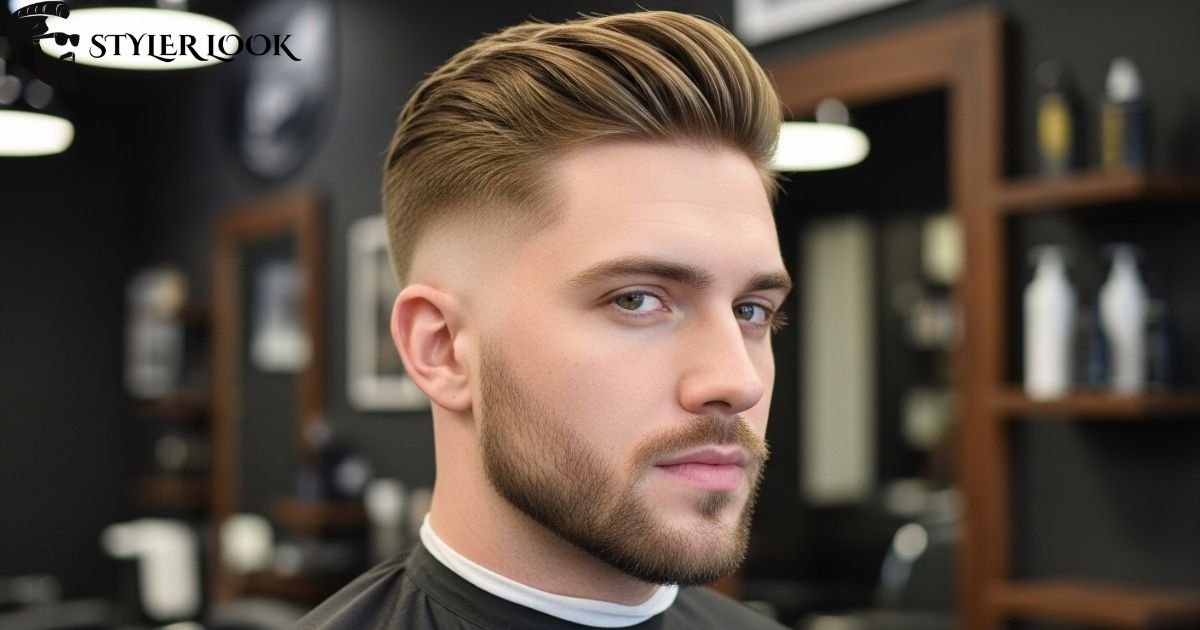
What if one haircut could work for your Monday morning meeting and your Saturday night out? That is exactly what the undercut fade delivers. It is sharp, clean, and surprisingly adaptable. Men across every age group and hair type are choosing it as their go-to style in 2025. And honestly, it is not hard to see why.
This cut blends the bold contrast of an undercut with the smooth, seamless transition of a fade. The result is something that feels both structured and effortless. Whether you have thick curly hair or fine straight strands, there is a version built for you. In this guide, you will find 30 distinct styles, practical tips, and everything you need to walk into your barbershop with total confidence.
What Is an Undercut Fade?
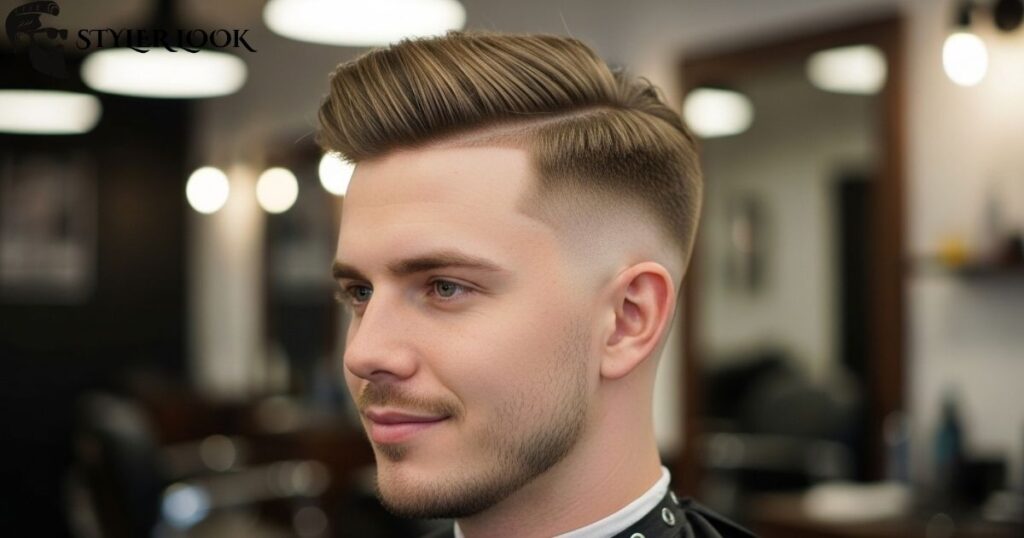
If you have ever walked into a barbershop and felt completely lost staring at a wall of hairstyle photos, you are not alone. Most guys know they want something sharp and clean but struggle to name it. The undercut fade is one of those cuts that looks instantly recognizable once you see it, yet surprisingly hard to describe if you have never had one.
Let’s break it down simply.
The Basics of the Undercut
The undercut is a classic haircut where the sides and back are cut significantly shorter than the top. Think of it as a dramatic contrast between two lengths sitting right on your head. The top section stays long, giving you room to style it however you like, while the lower sections are cropped close. It first gained popularity in the early 20th century and made a fierce comeback in the 2010s. Today it remains one of the most requested cuts in barbershops worldwide.
What Makes It a Fade?
A fade is a barbering technique, not a style on its own. It refers to how the hair transitions from one length to another. Instead of a hard, blunt line where short meets shorter, a fade blends the lengths gradually and seamlessly. The hair appears to “fade” into the skin or a shorter length as it moves down the head. Depending on where that gradual transition starts, you get a low, mid, or high fade. Each placement changes the entire personality of the cut.
How does the Undercut Fade Combine the Two Styles?
When you merge the structure of an undercut with the blending technique of a fade, you get a haircut that is both dramatic and polished at the same time. The top remains full and styled, the sides drop sharply in length, but instead of a blunt disconnected line, the transition is smooth and tapered. It’s bold without being jarring. Clean without being boring. That balance is exactly why so many men keep coming back to it.
Why the Undercut Fade Is Trending in 2025?
Trends in men’s grooming move fast. What was fresh last year can feel dated by summer. So why has this particular cut managed to stay relevant and actually grow in popularity heading into 2025? A few strong reasons.
Read More: Mens Shaggy Hairstyles: 38 Effortless & Cool Looks
Popular Among Celebrities & Influencers
When the faces on your screen and on magazine covers consistently rock a certain haircut, it stops being a trend and starts becoming a standard. Several high-profile names have made the undercut fade their signature look.
Zayn Malik:
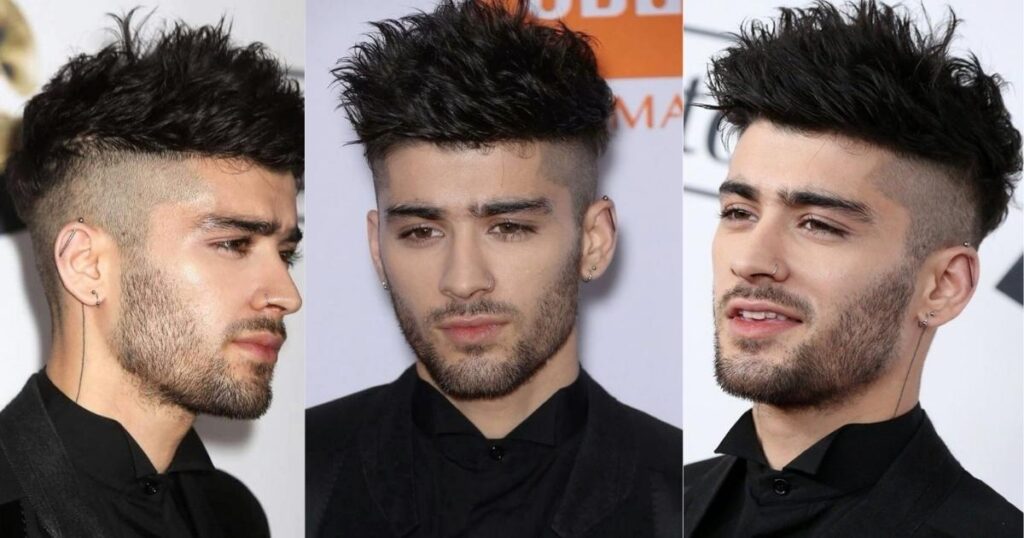
Zayn has been redefining men’s hair for over a decade. His take on the undercut fade leans textured and artistic, often paired with an undercut that sits high on the crown with soft, tousled styling on top. He makes it look effortlessly cool.
Brad Pitt:
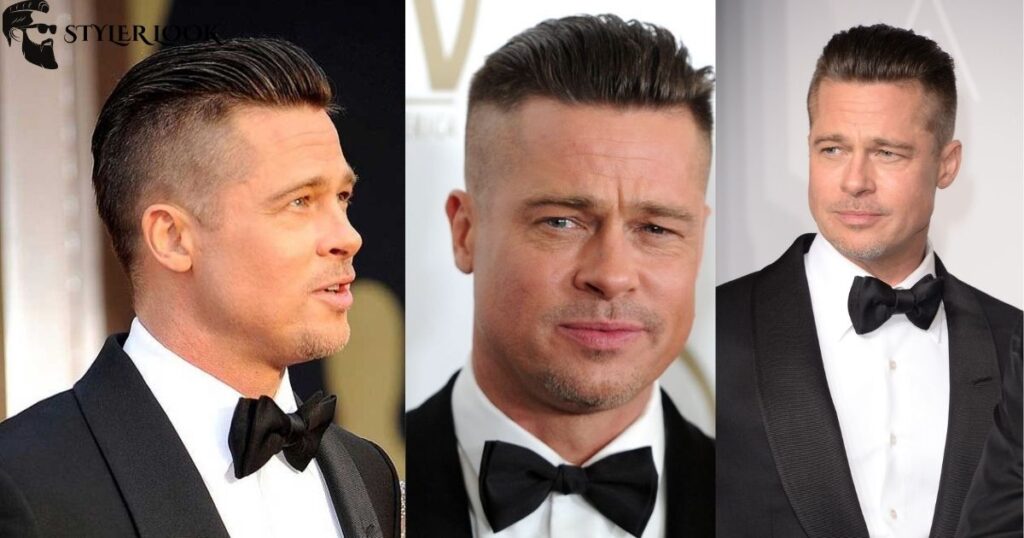
From his Fury era to more recent red carpet appearances, Brad Pitt has carried slicked-back undercut fade variations with undeniable authority. His version leans polished and cinematic, proving the cut works just as well in a suit as in casual wear.
David Beckham:
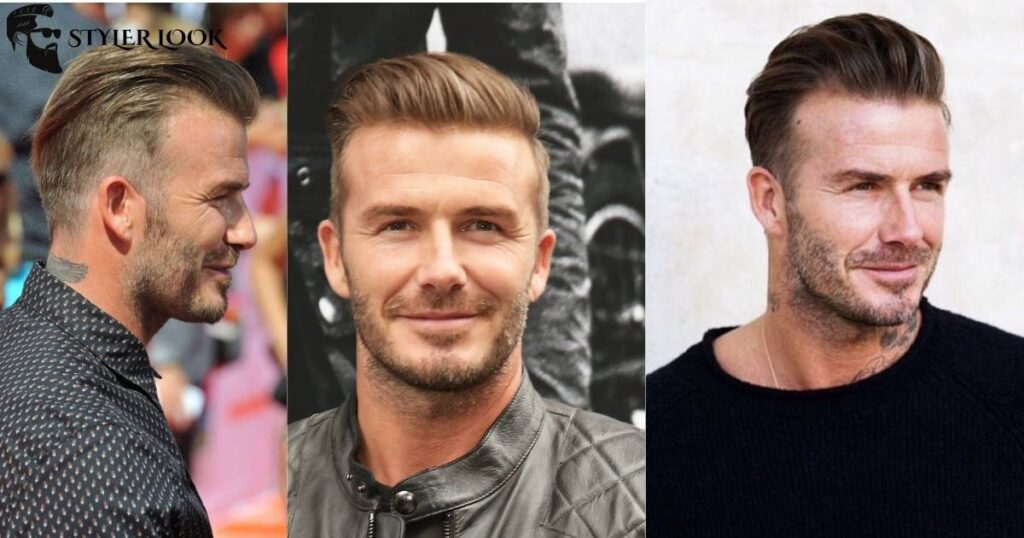
Beckham is practically a walking mood board for men’s grooming. He has worn nearly every variation of the undercut fade across his career. Clean, sharp, and always intentional. He shows how the cut adapts with age without losing its edge.
Timothee Chalamet:
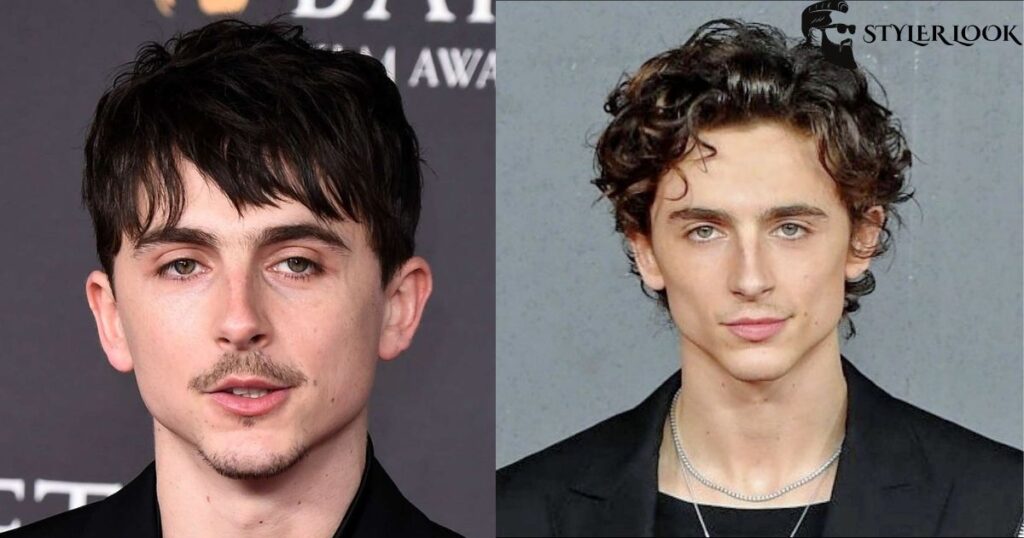
Chalamet brings a softer, more artistic interpretation. His undercut styling often features a longer top with a subtle fade, giving it a literary, almost romantic quality that feels distinctly his own.
Cristiano Ronaldo:
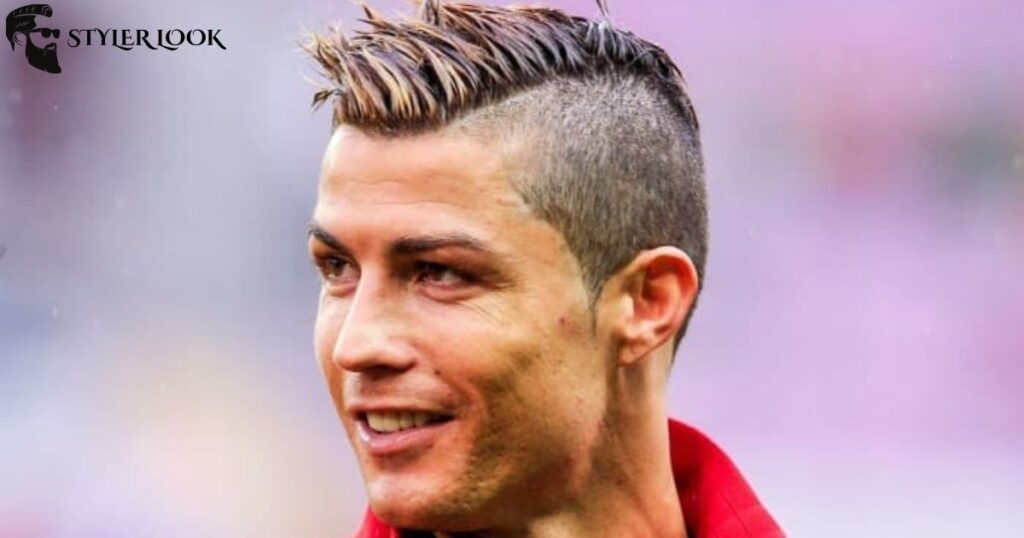
Ronaldo goes bold. High fades, sharp lines, immaculate finish. His barbershop-fresh look is aspirational for millions of men globally and demonstrates how the cut pairs naturally with athletic confidence.
Works with All Hair Types (Straight, Wavy, Curly)
One of the most practical reasons this cut dominates in 2025 is its versatility across hair textures. Straight hair gets a sleek, clean expression. Wavy hair gains structure and movement. Curly hair takes on a whole new dimension of volume and personality with an undercut fade underneath. You do not need a specific hair type to pull this off. You just need the right variation.
Modern, Versatile & Easy to Maintain
Men today want a haircut that works on Monday morning in the office and Friday night at a rooftop bar. The undercut fade delivers that without asking for much in return. A quality pomade or styling cream, five minutes in the morning, and you are ready. It’s also one of those cuts that grows out fairly gracefully, meaning you are not rushing back to the barber every two weeks in a panic.
Best Undercut Fade Hairstyles for Men
Here is where it gets exciting. The term undercut fade is really an umbrella covering dozens of distinct styles. Let’s walk through the ten foundational versions every man should know.
- Classic Undercut Fade
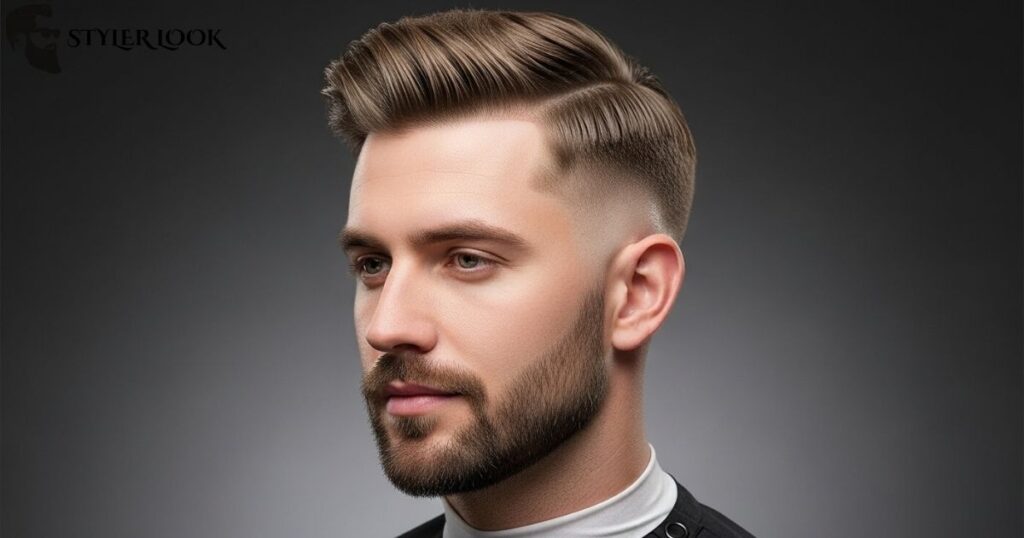
This is the one that started it all. Long on top, short on the sides, blended with a medium fade. It’s timeless, wearable in virtually any setting, and flatters most face shapes. If you are trying the style for the first time, start here.
- Low Undercut Fade
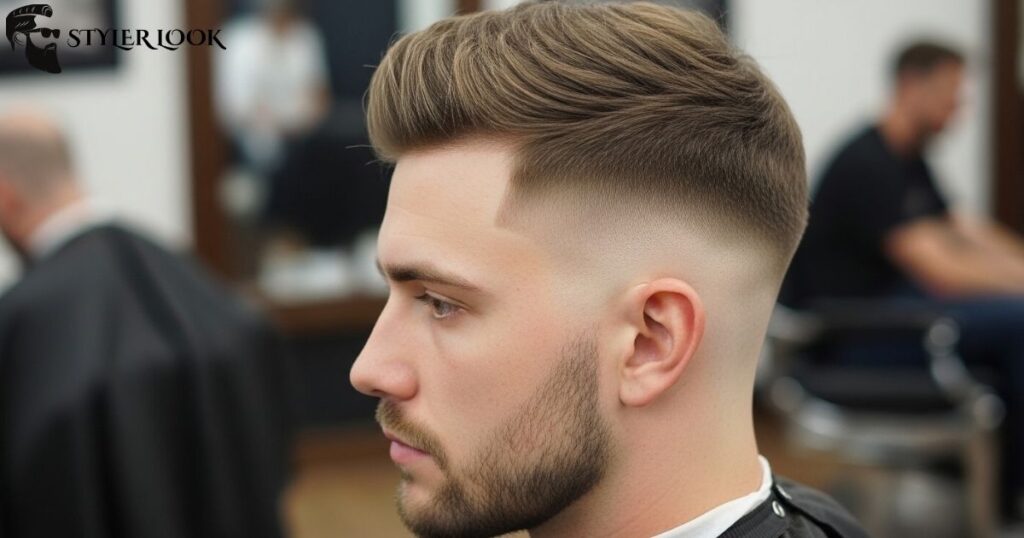
The fade begins just above the ear and stays tight near the neckline. It’s a subtler take on the style, ideal for men who want the clean contrast of an undercut without anything too dramatic. It reads as polished and works well in professional settings.
- Mid Undercut Fade
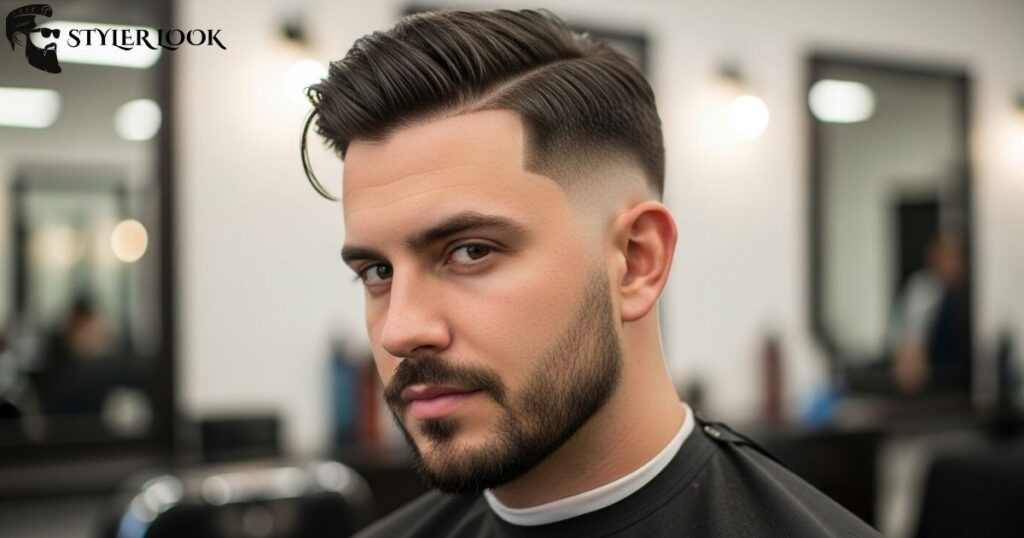
The transition zone sits around the temples, splitting the difference between subtle and bold. It frames the face nicely and gives the top section more visual prominence. Most barbers consider this the most balanced and universally flattering option.
- High Undercut Fade
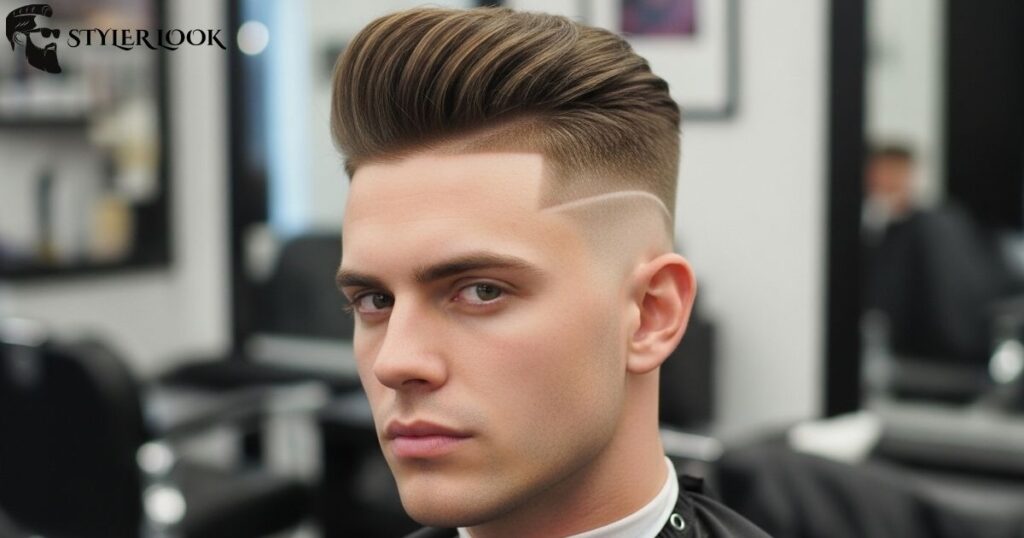
The fade starts near the top of the head, creating a sharp, striking silhouette. It’s confident and contemporary. Men with strong jawlines or wider foreheads tend to wear this one particularly well.
- Skin Fade Undercut
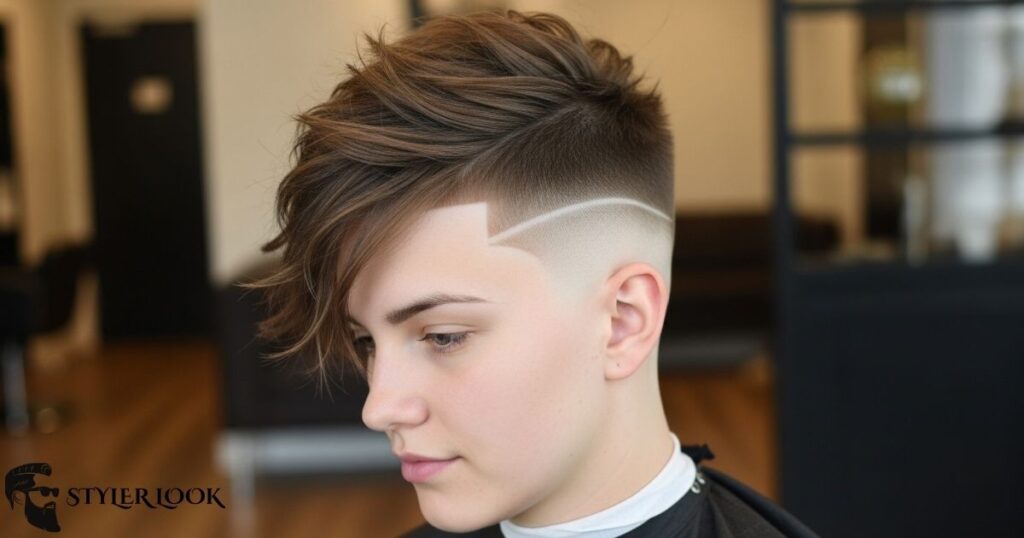
Also called a bald fade, this version takes the sides down to bare skin. The contrast between the skin and the styled top is striking and bold. It requires more frequent barber visits to keep it looking sharp, but the visual impact is hard to match.
- Disconnected Undercut Fade
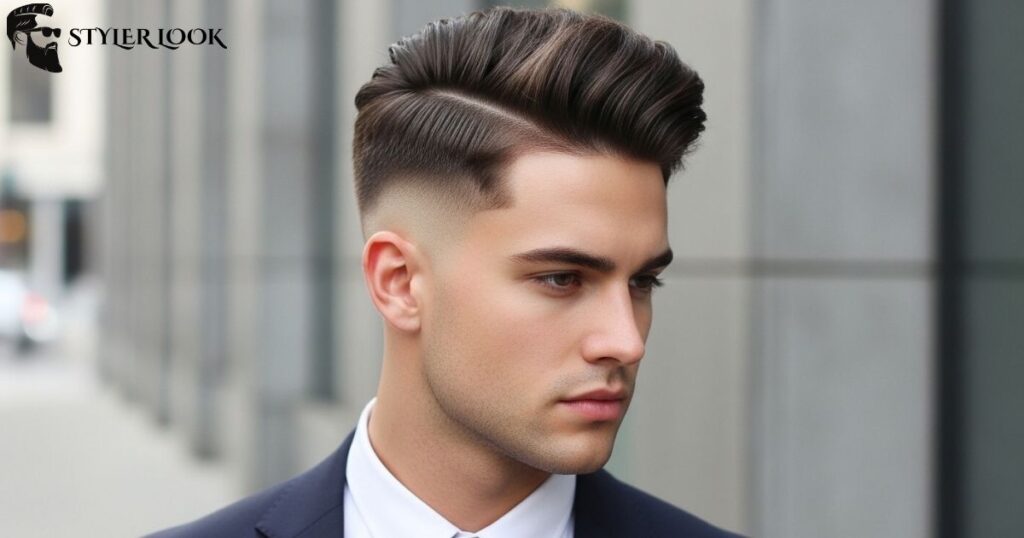
Here, the top and sides have a deliberate, visible disconnect rather than a gradual blend. It’s an edgier, more avant-garde interpretation that prioritizes contrast over harmony. Creative types and those who enjoy standing out tend to gravitate toward this one.
- Taper Fade Undercut
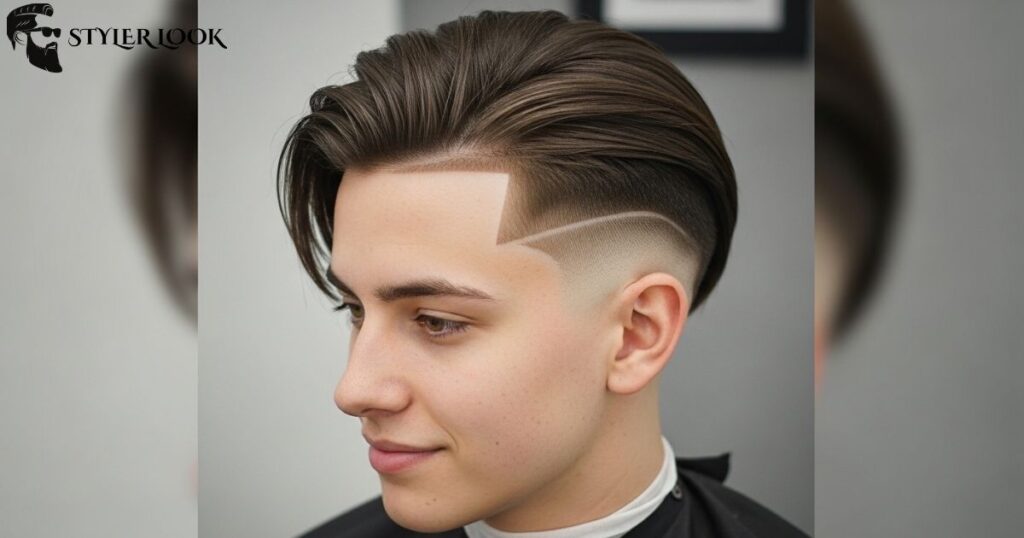
A taper fade undercut differs from a standard fade in that it narrows and tightens primarily toward the neckline and sideburns. It’s a cleaner, more conservative finish that works exceptionally well for men who want structure without aggressive contrast.
- Burst Fade Undercut
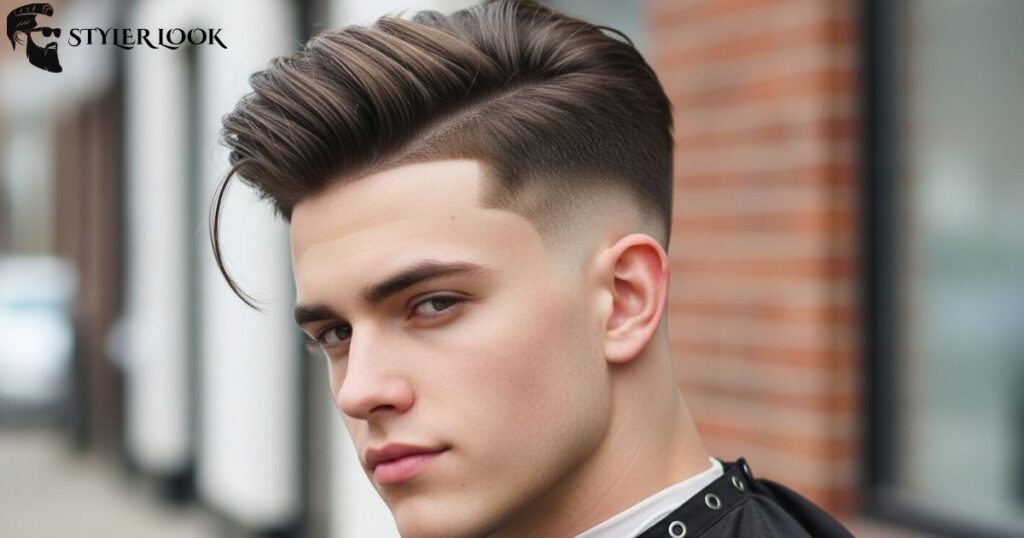
The burst fade curves around the ear in a semicircular shape, creating a rounded, almost halo-like fade effect. When paired with an undercut on top, it adds a distinctive artistic quality to the overall shape of the cut.
- Drop Fade Undercut
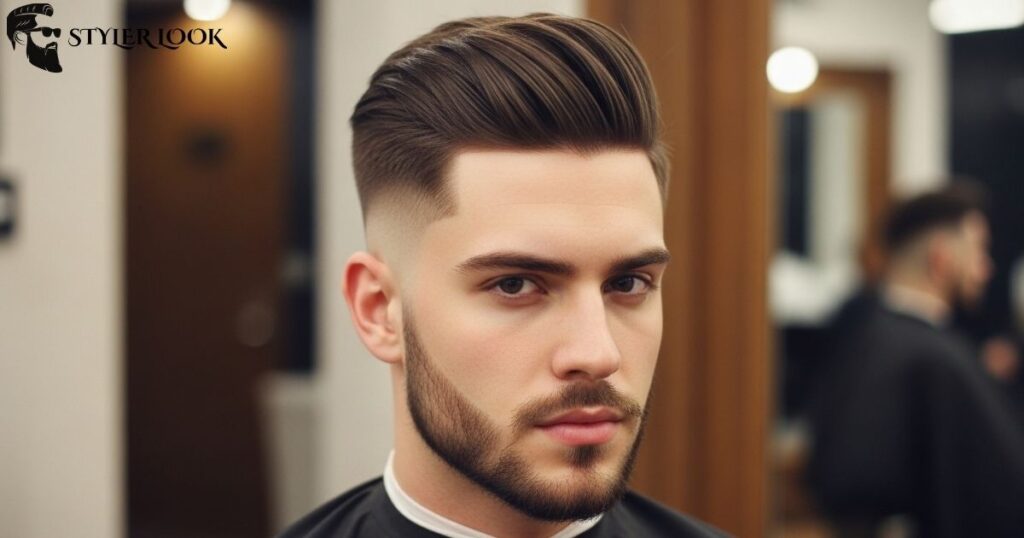
The drop fade arcs downward behind the ear rather than staying level around the head. This creates a curved, flowing line that softens the overall silhouette while maintaining that sharp contrast at the top.
- Bald Fade Undercut
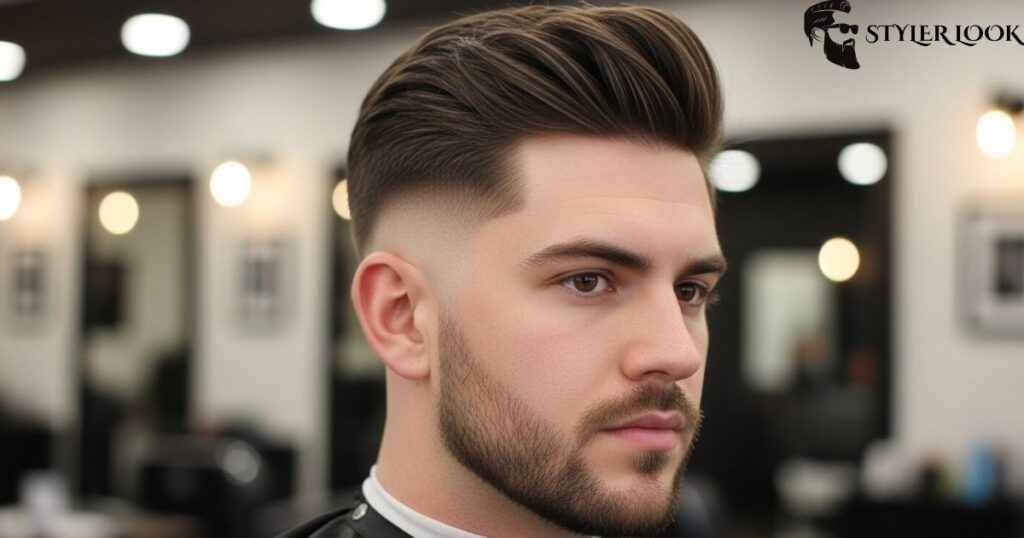
Similar to the skin fade but taken to its most extreme version. Every trace of hair on the sides gradually disappears into skin. It’s dramatic, precise, and undeniably modern. This one demands a confident barber and an equally confident wearer.
Undercut Fade Variations by Hair Type & Style
Beyond the technical structure, the top of the cut offers enormous creative territory. Here is how different hair types and styling preferences shape the final result.
- Curly Hair with Undercut Fade
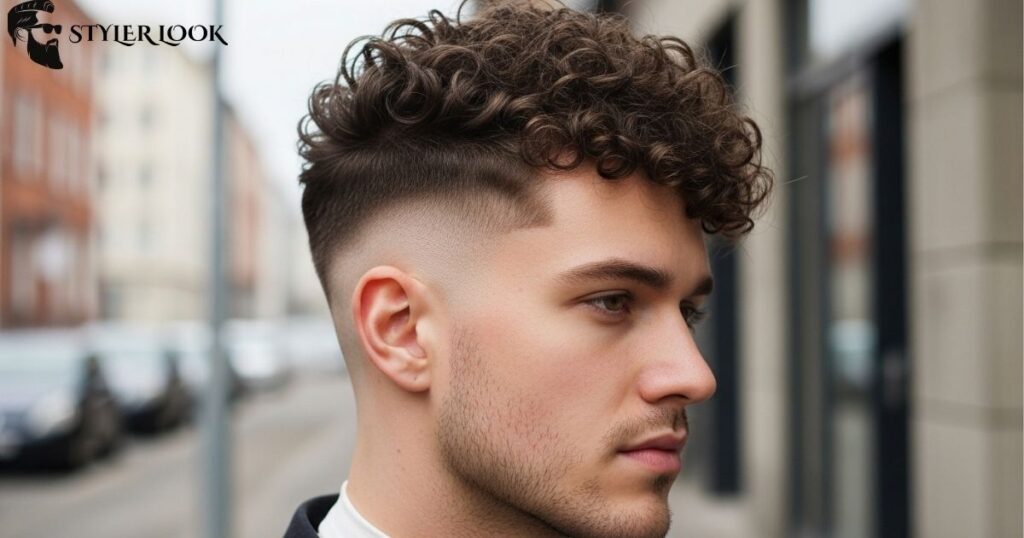
Curly hair and fades are a spectacular pairing. The natural volume of curls on top creates a striking contrast against the closely faded sides. You can leave the curls loose and defined or shape them with a light curl cream for added control. This combination is one of the most visually dynamic in men’s grooming.
- Wavy Hair Undercut Fade
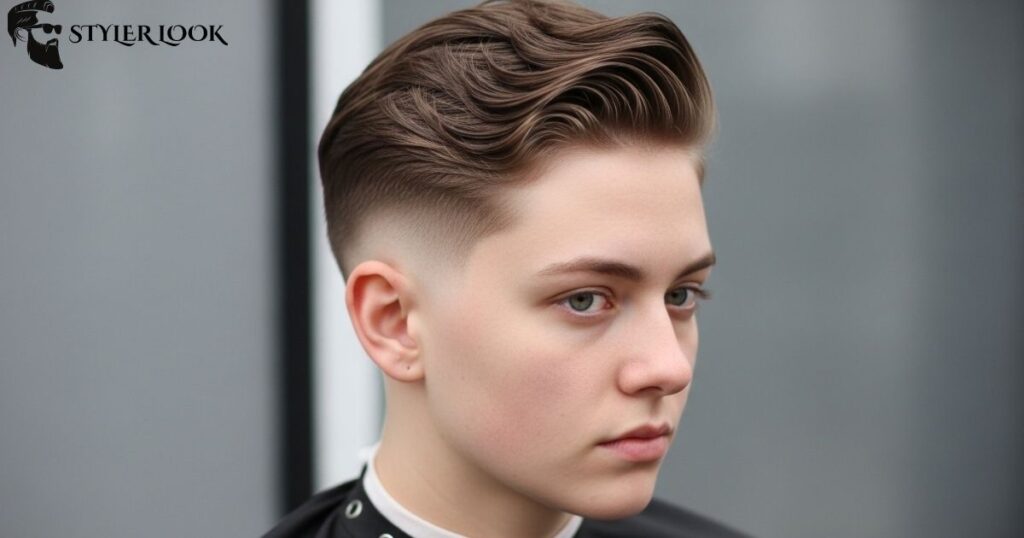
Wavy hair gains a sense of direction and purpose when paired with an undercut fade. The waves naturally draw the eye across the top of the head, and the faded sides keep things from looking overgrown or unintentional. A sea salt spray or light mousse helps define the waves without making them stiff.
- Thick Hair + High Fade Undercut
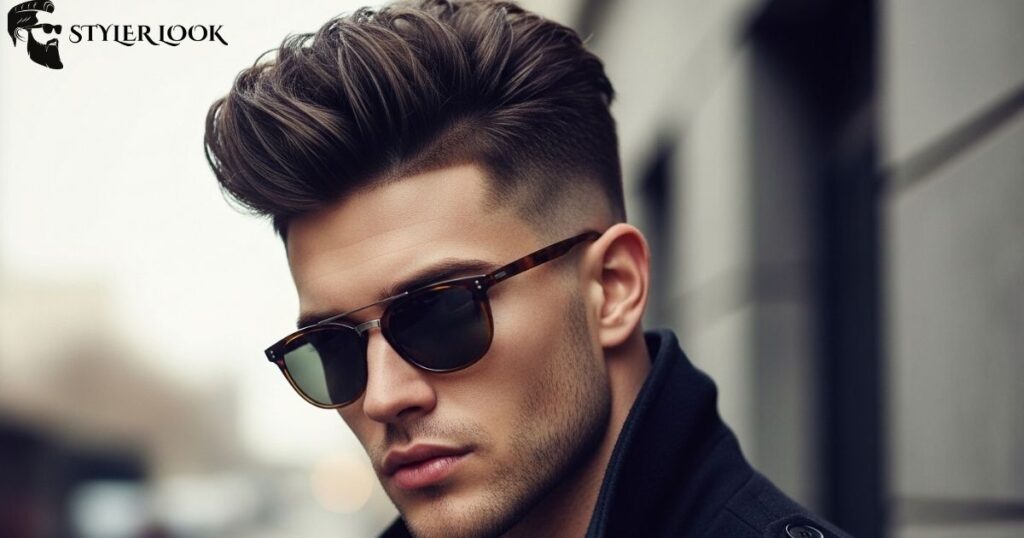
Thick hair can sometimes feel unruly and heavy. A high fade undercut removes a significant amount of bulk from the sides and lets the top shine. Styling becomes easier and the overall look feels far more intentional. This pairing is a genuine game changer for men with dense, difficult-to-manage hair.
- Straight Hair & Pompadour Undercut Fade
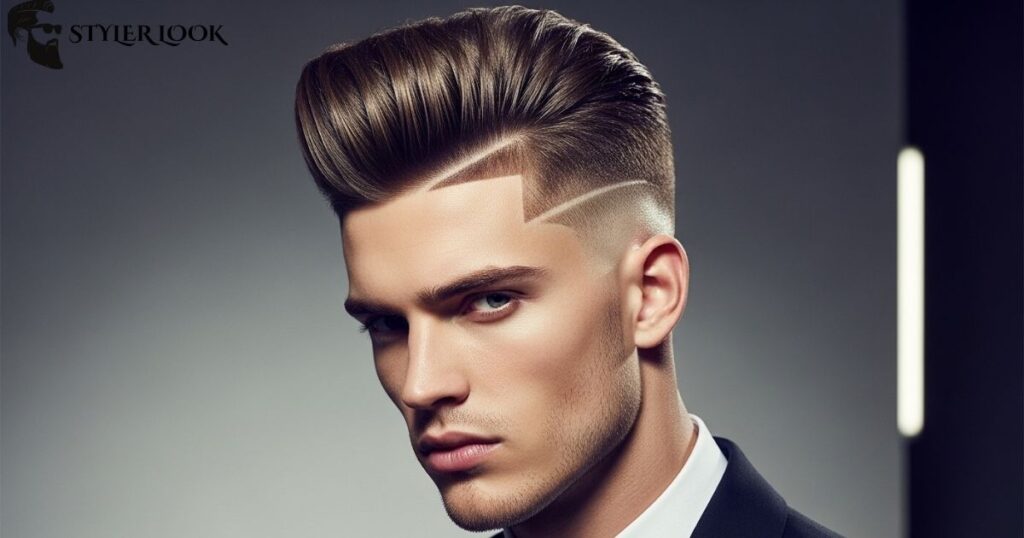
Straight hair slicks back beautifully, making it ideal for the pompadour undercut fade. The pompadour sweeps the top hair upward and backward, adding height and drama. With straight hair, that sweep holds its shape throughout the day with minimal product. It’s one of the most classic and photogenic combinations in the style.
- Slick Back Fade Undercut
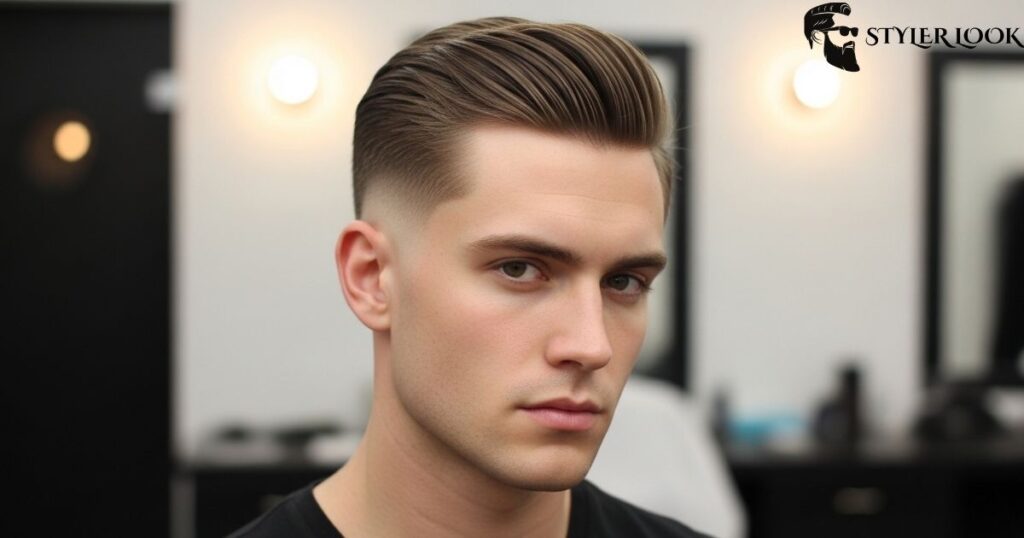
The slick back is all about smooth, controlled elegance. Hair on top is combed backward with a medium-hold pomade and the faded sides keep the focus entirely on that clean, swept-back line. It suits oval and square face shapes particularly well and reads as sophisticated in almost any context.
- Mohawk Undercut Fade
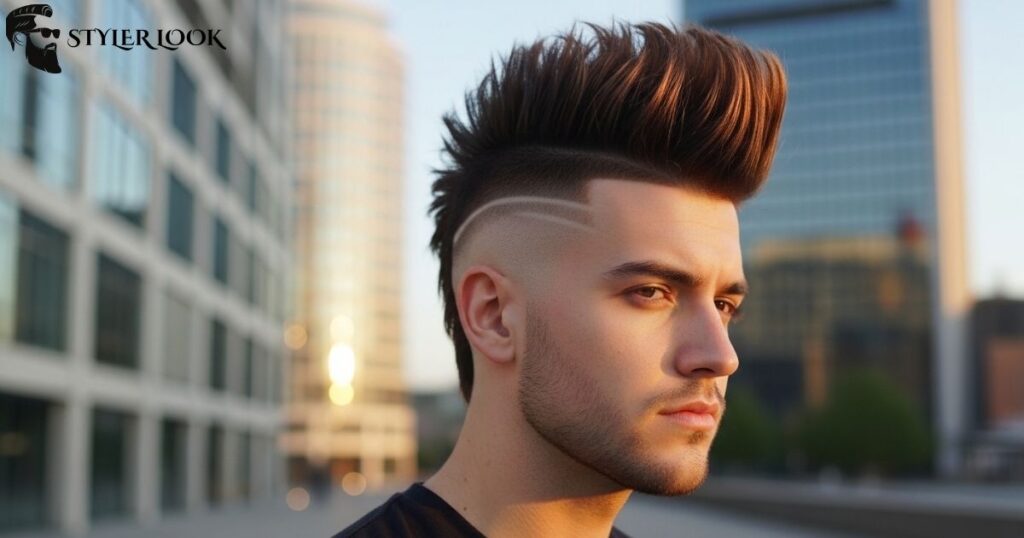
A bold choice that channels the spirit of punk while keeping things refined. The hair runs in a strip from the forehead to the crown, rising above tightly faded sides. The fade softens what could otherwise be an extreme look, making it more accessible for everyday wear.
- Man Bun with Undercut Fade
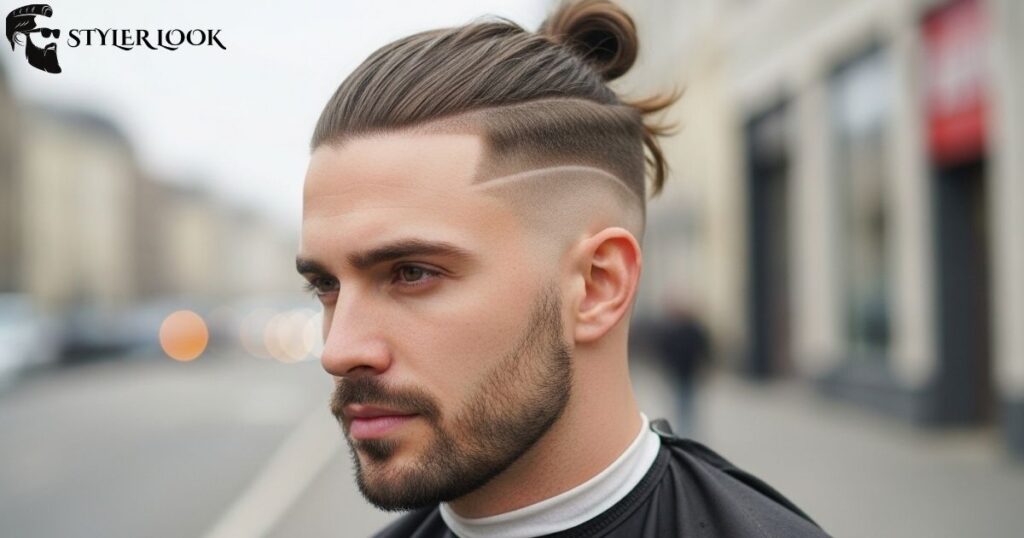
If your hair is long enough to tie back, the man bun with an undercut fade is an outstanding combination. The bun keeps long hair off the face and neck while the faded sides add structure and prevent the look from appearing unkempt. It’s practical, stylish, and works across a wide range of settings.
- Undercut Fade with Beard
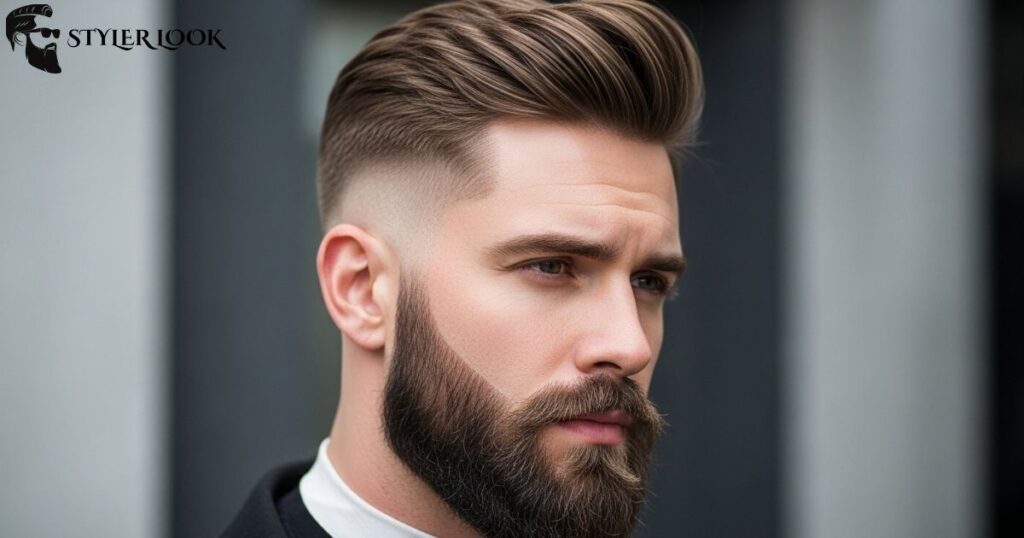
Pairing an undercut fade with a well-maintained beard creates a look of deliberate, head-to-toe grooming. The beard adds weight to the lower face, which balances the sharpness of the fade. Men with oval or rectangular faces tend to find this combination especially flattering.
- Afro + Bald Fade Undercut
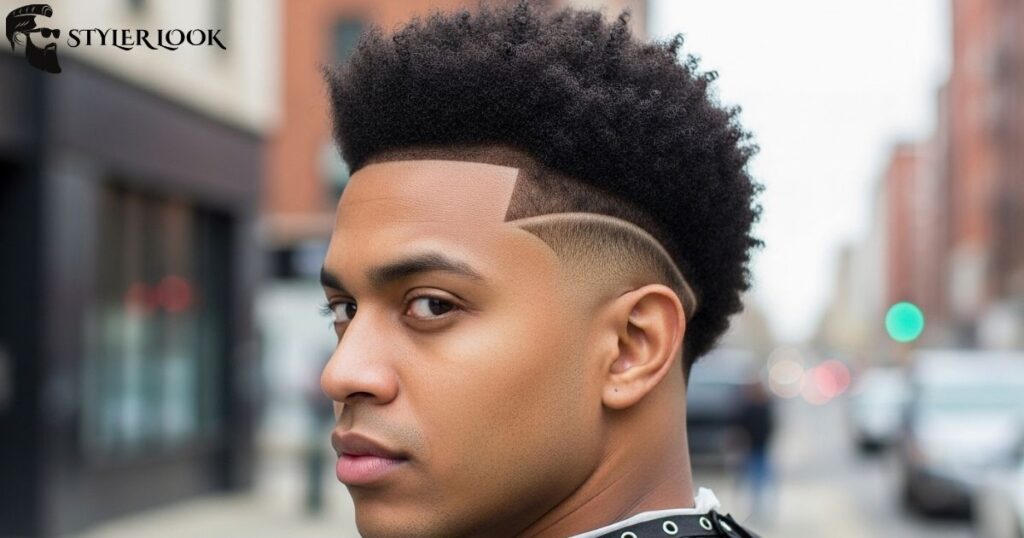
Natural Afro texture on top, paired with a bald fade, is one of the most visually powerful looks in modern men’s hairstyling. The volume and shape of the Afro create a bold crown effect that is amplified by the stark contrast of the faded sides. It’s celebratory, confident, and deeply personal.
- Textured Fringe or Quiff Undercut Fade
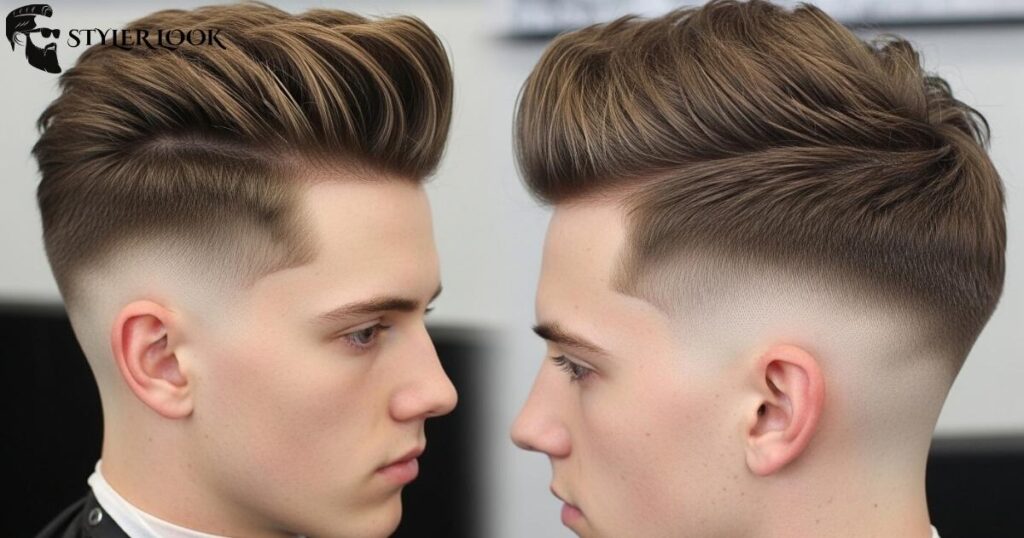
The textured fringe or quiff brings the styling focus to the front of the head. Hair is pushed forward or upward at the forehead with a matte styling product to create a piece-y, lived-in texture. Paired with an undercut fade, it has a youthful, slightly rebellious energy that feels very much in tune with 2025’s aesthetic direction.
Choosing the Right Undercut Fade for You
With so many variations on the table, how do you actually choose? It comes down to three factors.
Based on Face Shape
Round faces benefit from high fades and added height on top, which elongate the appearance of the face. Square faces work beautifully with mid fades and softer styling to balance strong angular features. Oval faces are the most versatile and can carry virtually any variation. Oblong or rectangular faces look best with lower fades and styles that add width rather than height.
Based on Lifestyle & Maintenance Level
Be honest with yourself here. If you are not going to stand at a mirror for ten minutes every morning, a skin fade or disconnected undercut might not be realistic for daily life. A low or mid fade with a simple slick back or textured top is manageable and still looks sharp. Higher maintenance styles reward the effort but require consistent upkeep.
Professional vs. Edgy Looks
A low or taper fade undercut reads as polished and office-appropriate. A skin fade with a disconnected top or a mohawk undercut leans creative and expressive. Neither is objectively better. It depends entirely on the environment you spend most of your time in and the statement you want to make.
How to Style and Maintain an Undercut Fade?
Getting the cut is only half the journey. Knowing how to maintain and style it properly is what separates a great haircut from a forgettable one.
Essential Tools & Products
A good quality pomade handles slick, controlled styles with strong hold. A matte clay or paste works better for textured, piece-y looks. Sea salt spray adds volume and wave definition without weighing hair down. You will also need a fine-tooth comb for slick styles and a soft-bristle brush for natural movement. Investing in a good blow dryer with a concentrator nozzle is worth every penny.
Styling Tips for Everyday Looks
Start with damp, not soaking wet hair. Apply your product through the hair with your fingers before reaching for a comb or brush. Blow dry while shaping to set the style in place. Finish with a small amount of product to smooth flyaways or add shine. Less is more, especially with pomades. You can always add product but removing too much requires a wash.
How Often to Get It Trimmed
A skin or bald fade needs attention every two to three weeks to stay looking crisp. A mid or low fade can comfortably go three to four weeks between visits. The top can be trimmed less frequently depending on how fast your hair grows. Building a relationship with a skilled barber makes this process far more predictable and rewarding.
Undercut vs Fade Vs Taper: Key Differences
These three terms get mixed up constantly, even inside barbershops. Here is exactly what separates them.
Undercut vs Fade
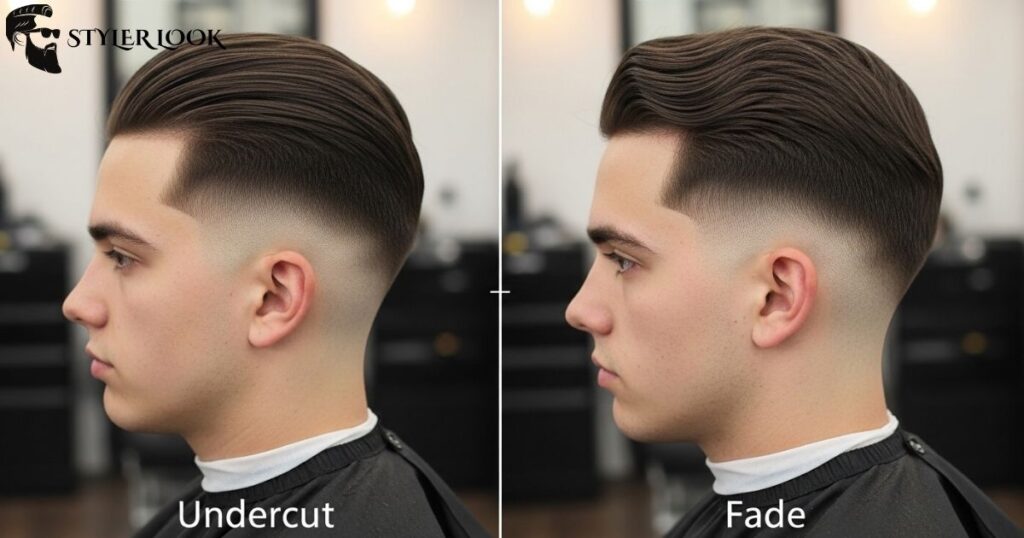
An undercut is a structural style defined by the contrast in length between the top and sides. A fade is a blending technique. You can have an undercut without a fade (a hard, blunt cut) and you can have a fade without an undercut (a gradual blend without dramatic length contrast on top). The undercut fade combines both.
Fade vs Taper
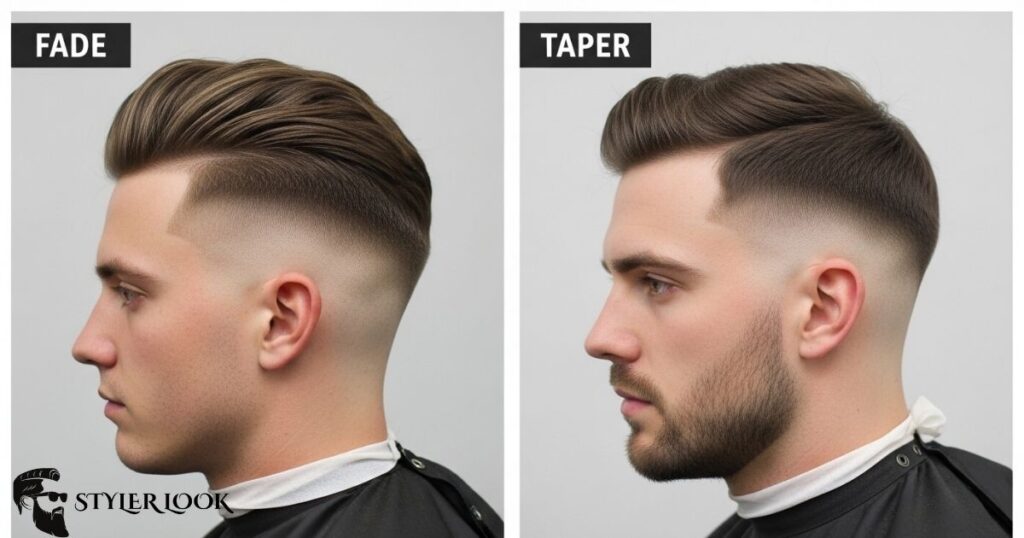
A fade takes hair from a longer length down to skin or very close to it. A taper keeps some hair visible throughout and simply narrows the length as it approaches the neck and sideburns. Fades are more dramatic. Tapers are more conservative. Both are clean and professional, just with different levels of contrast.
When to Choose Each
Choose a fade when you want high contrast and a modern, barbershop-fresh aesthetic. Choose a taper when you want a clean, professional look with a softer finish. Choose an undercut when the dramatic contrast between the top and sides is the centerpiece of your style.
Explore More Styles
Once you have found your preferred undercut fade variation, it helps to understand how it connects to the broader landscape of men’s hairstyling.
Pompadour Haircuts
The pompadour is one of the most natural companions to the undercut fade. The swept-up front section adds height and confidence to the overall silhouette. It’s been worn by Elvis, by rockabilly legends, and by fashion-forward men for decades. With a modern fade underneath, it feels entirely current.
Skin Fades
Skin fades deserve their own spotlight. The precision required to take hair completely down to bare skin while maintaining a smooth, even gradient is a mark of genuine barbering skill. It’s one of the most technical cuts on offer and one of the most visually arresting when done properly.
Disconnected Undercuts
The disconnected undercut leans into contrast as a design choice. Rather than blending the top and sides, it highlights the division. For men who want a haircut that makes a statement, this variation offers that without requiring outlandish color or extreme length.
Best Hairstyles for 2025
2025 is seeing a strong move toward texture, natural movement, and individuality. The heavily gelled, overly sculpted looks of the early 2010s are giving way to more relaxed, lived-in finishes. The undercut fade fits perfectly into this shift because its structure is sharp but its styling can be as loose or controlled as you prefer.
Final Thoughts
The undercut fade is not a passing trend. It has earned its place as a foundational modern haircut because it genuinely works across face shapes, hair types, ages, and lifestyles. Whether you are walking into a boardroom or a music festival, there is a version of this cut that fits. The key is knowing which variation suits you and finding a barber skilled enough to execute it well. Take your time. Bring reference photos. Have a conversation with your barber. A great haircut starts long before the clippers turn on.
FAQ’s
What is an undercut fade haircut?
It’s a style that combines a longer top with closely faded sides, blending the dramatic contrast of an undercut with the smooth gradient of a fade technique.
Is an undercut fade good for thin hair?
Yes, especially with a low or mid fade. It removes weight from the sides and makes the top appear thicker and more voluminous.
How often should you trim a fade haircut?
Skin and bald fades need a touch-up every two to three weeks. Low and mid fades can last three to four weeks before requiring a trim.
Can you combine an undercut fade with a beard?
Absolutely. A well-maintained beard paired with an undercut fade creates a cohesive, groomed look that suits most face shapes.
What is the difference between a fade and a taper?
A fade blends hair down to skin for a high-contrast finish. A taper gradually shortens hair toward the neckline while keeping some length throughout, offering a softer, more conservative result.
Jettson Cole is a style enthusiast and hair trend curator, sharing expert tips to help you look sharp and feel confident every day.