
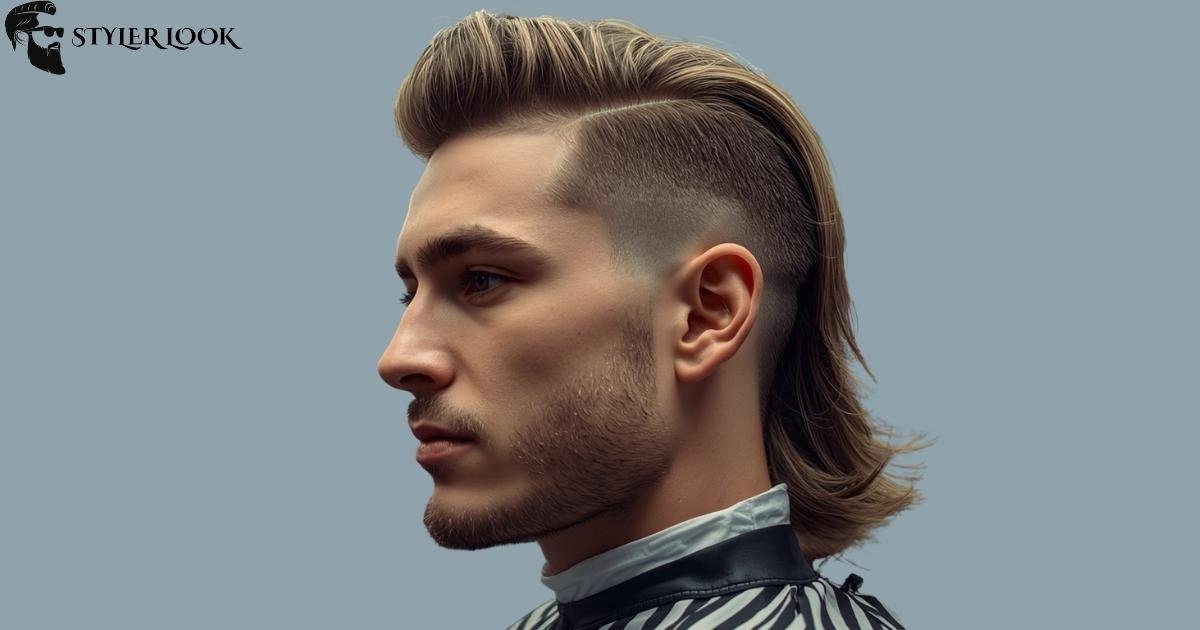
The low taper fade mullet is officially one of the boldest, most requested haircuts in barbershops right now, and for good reason. It takes the rebellious energy of the classic mullet and refines it with a clean, modern taper fade on the sides. The result? A haircut that is sharp where it needs to be and relaxed where it counts.
Whether you are stepping into a barbershop for the first time or looking to switch up your current look, this guide covers everything. From understanding the cut to exploring 21 standout variations for every hair type, you will find the style that fits your personality and lifestyle.
What Is a Low Taper Fade Mullet?
A low taper fade mullet is a haircut that blends two iconic styles into one cohesive look. The taper fade gradually shortens the hair along the sides and back, starting just above the ear and near the neckline, without going all the way to the skin. The mullet preserves length at the back while keeping the top and sides structured.
What makes it “low” is where the fade begins. Instead of rising high up the head, it stays close to the natural hairline, creating a softer, more subtle transition. The front stays neat and polished while the back flows freely with personality. It is polished in the front, expressive in the back, and always on trend.
Read More: 16 Best Low Taper Fade Fluffy Hair 2026
Why Choose a Taper Fade Mullet?
There are plenty of good reasons men keep asking for this cut at the barbershop.
First, it is incredibly versatile. The low taper fade mullet works across hair types, whether your hair is straight, wavy, curly, thick, or thin. Second, it suits a wide range of face shapes, particularly oval, round, and heart-shaped faces. The shorter sides balance out facial width, and the longer back adds an interesting contrast.
Here is why this haircut continues to grow in popularity:
- It blends vintage mullet charm with contemporary precision
- The fade keeps sides neat and low-maintenance
- The longer back section adds identity and movement
- It can shift from casual to professional depending on how you style it
- It is one of the most customizable cuts available today
It also pairs effortlessly with beards, fringes, and various hair textures, making it a great foundation for personal expression.
21 Low Taper Fade Mullet for Men
Classic Style
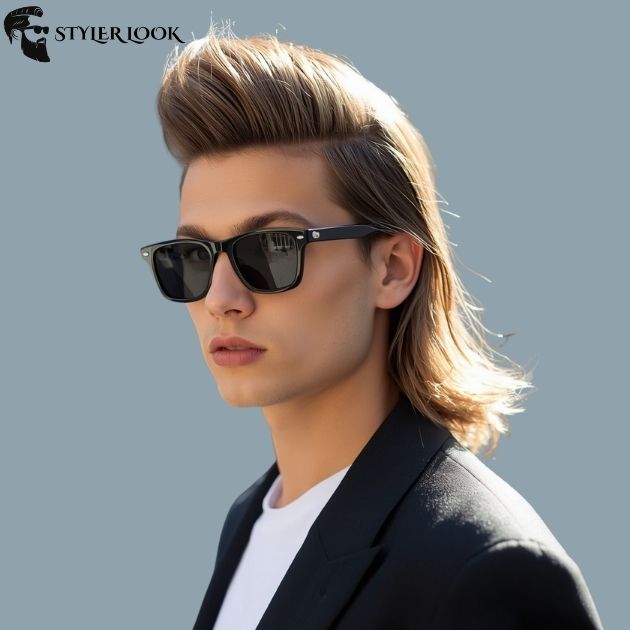
The classic low taper fade mullet stays true to the original concept. The top is neat, the sides fade softly just above the ear, and the back keeps a clean, natural length. It does not try too hard. A light matte clay shapes the top without making it stiff, and the back flows naturally. Best suited for straight and thick hair types, this version is timeless without feeling dated.
Modern Style
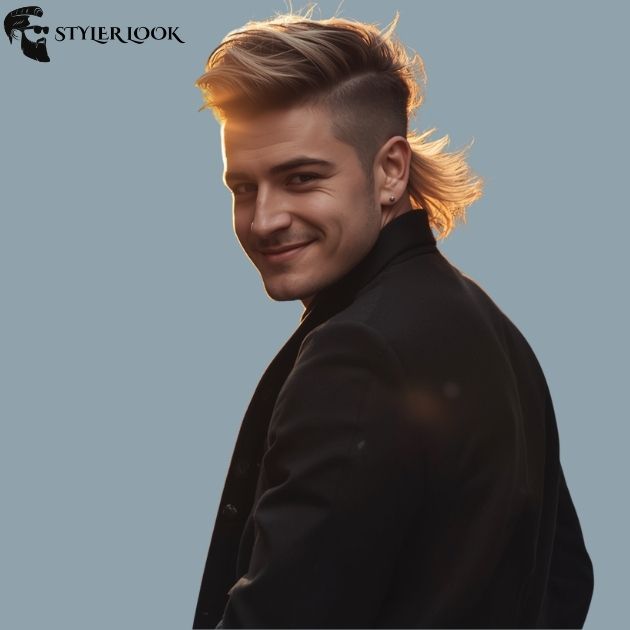
The modern version trims the excess of the vintage cut and delivers a more sculpted, minimal silhouette. The fade is seamless, the lines are softer, and the overall shape is more wearable for everyday settings. This one works equally well at a creative office and a weekend hangout. Use a light styling cream to add texture without weight. Straight and wavy hair types carry this look best.
Read More: 22 Low Taper Fade Asian Hair Styles for Modern 2026
Messy Style
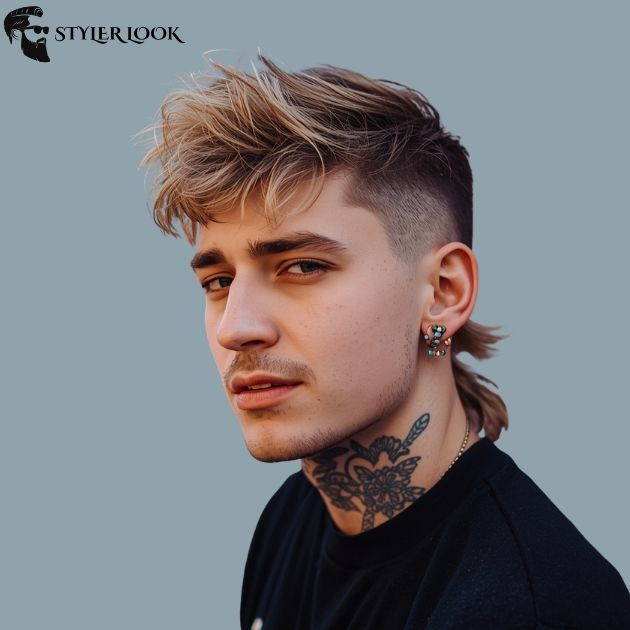
Not every great haircut needs to be perfectly placed. The messy taper fade mullet leans into a relaxed, effortless vibe. The top and back carry slight texture while the fade keeps things from looking unkempt. Run matte clay through with your fingers and you are done. Wavy and thick hair types thrive in this style, and the disheveled finish only makes the whole look more appealing.
Short Hair Style
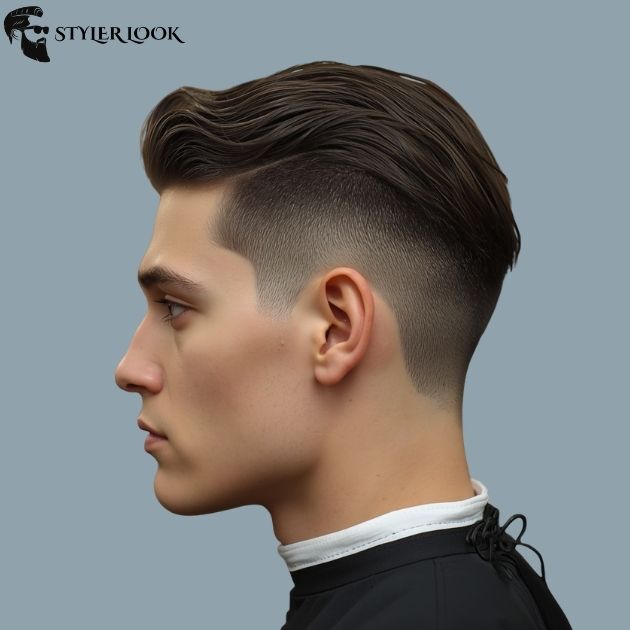
For men who want the mullet shape without committing to much length, the short hair low taper fade mullet is the perfect middle ground. The back extends only slightly past the top, giving just enough of the signature mullet shape while remaining easy to manage. Light pomade keeps it controlled. Straight and thin hair types do very well with this version.
Long Back Hair Style
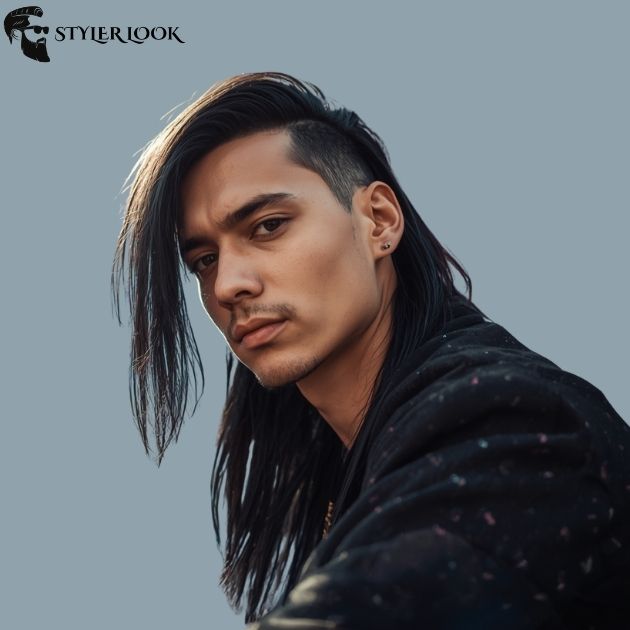
This variation leans fully into the mullet’s DNA. Extra length in the back creates a dramatic contrast against the clean, faded sides. The result is bold, unapologetic, and full of personality. Light wax controls the back without flattening it. Thick and straight hair carries this style with authority, though wavy hair also adds natural movement that elevates the look.
Read More: 24 Trendy Messy Low Taper Fade Haircuts 2026
Taper Fade Mullet Asian Style
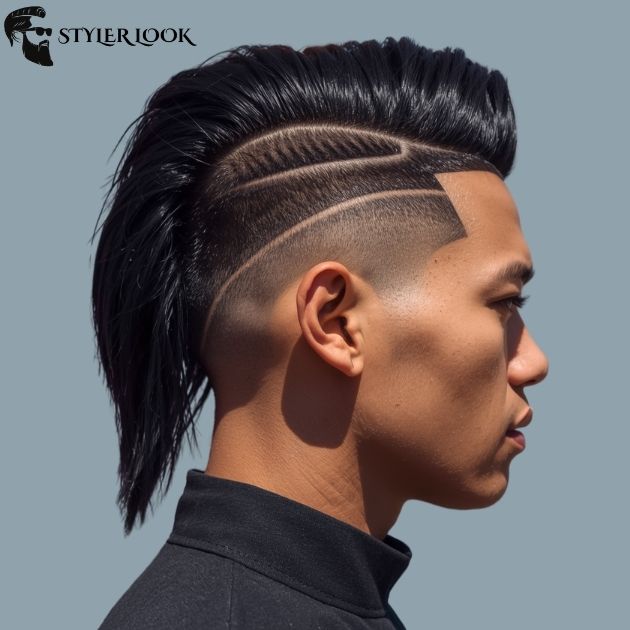
Asian hair is typically straight and thick, which makes it a perfect canvas for this style. The faded sides stay sharp while the longer back showcases the natural density of the hair. The top can be styled sleek or with a little texture depending on the day. A small amount of styling cream or wax keeps things neat and defined. This is one of the most requested variations in modern barbershops.
Taper Fade Mullet Curly Style
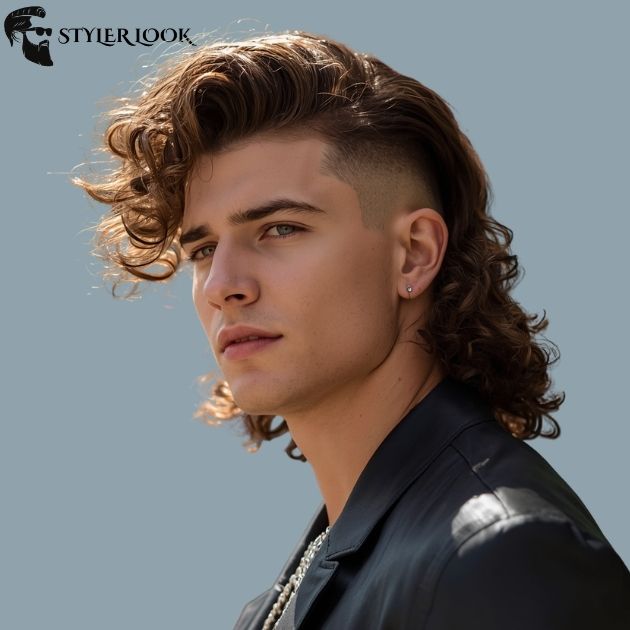
Curls add natural movement and volume to the mullet back, giving this variation a lively, energetic feel. The fade on the sides keeps the shape clean while the curls cascade at the back. Curl-defining cream enhances the texture without frizz. For men with naturally curly hair, this style is a celebration of what your hair already does well.
Mullet Straight Hair Style
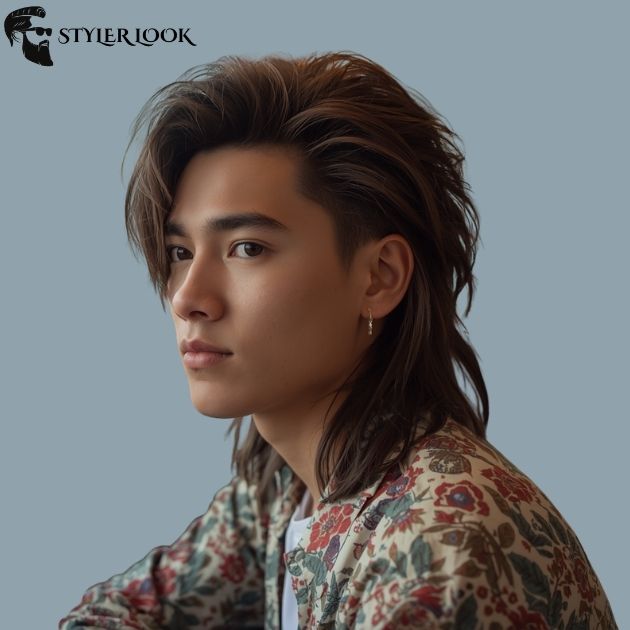
Straight hair gives the mullet a sleek, controlled look that feels polished even in its casual form. The back lies flat with a smooth finish, and the fade creates sharp contrast on the sides. A small amount of pomade or styling serum adds shine and keeps every strand in place. This version suits men who like clean lines and a put-together appearance.
Taper Fade Mullet Textured Style
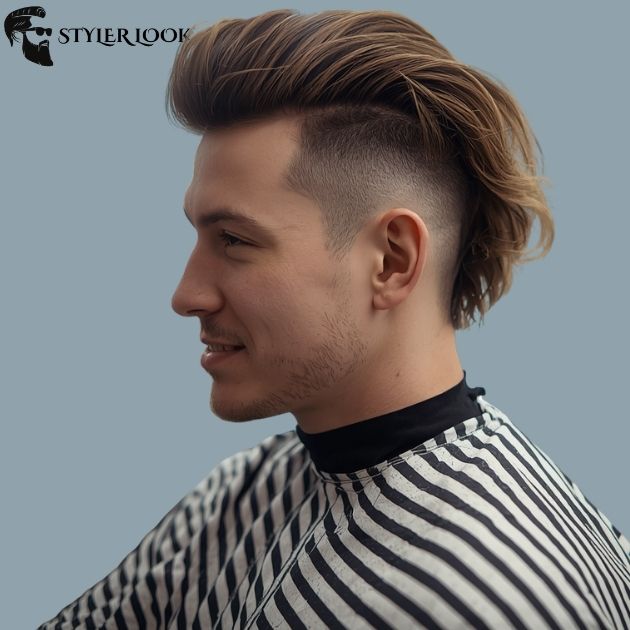
Texture transforms any haircut, and the low taper fade mullet is no exception. Choppy layers throughout the top and back create depth and movement. The fade stays subtle, almost whispering at the sides, letting the texture take center stage. Matte clay or a texturizing spray works perfectly here. This style grows out beautifully and looks even better after a few weeks.
Taper Fade Mullet Wavy Style
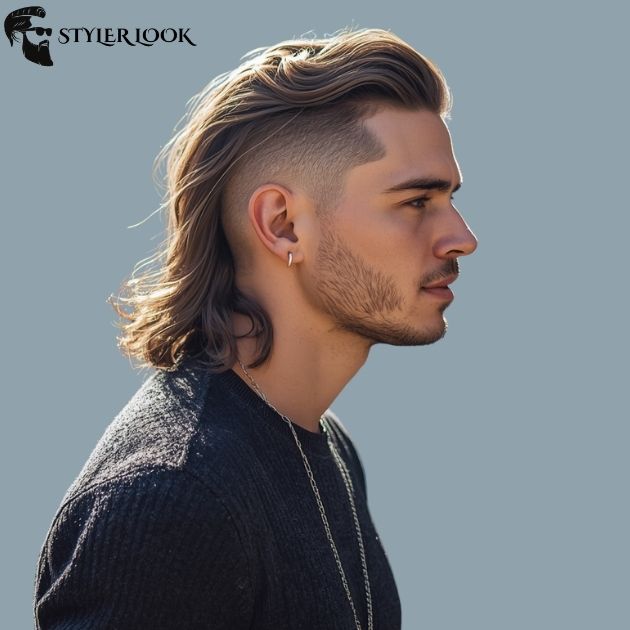
Wavy hair sits in a sweet spot between curly and straight, and the taper fade mullet knows how to use that to its advantage. The waves cascade naturally into the back while the sides stay clean and structured. Sea salt spray or light styling cream enhances the wave pattern without making it crunchy. The overall effect is a laid-back, beach-meets-city look that turns heads for all the right reasons.
Taper Fade Mullet Thin Hair Style
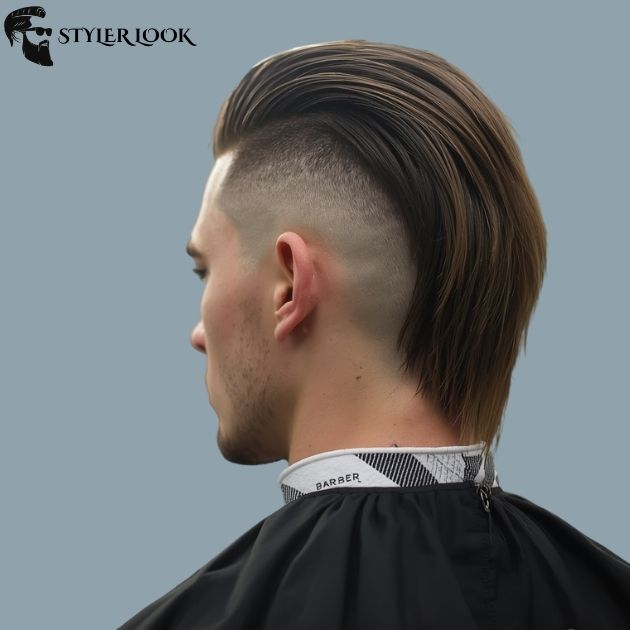
Thin hair can struggle with mullets because there is less volume to work with. The solution is strategic layering at the back and a light taper that does not remove too much bulk from the sides. Texturizing spray lifts the roots and creates the illusion of thickness. With the right product and the right barber, thin hair can absolutely pull off a stunning low taper fade mullet.
Taper Fade Mullet Thick Hair Style
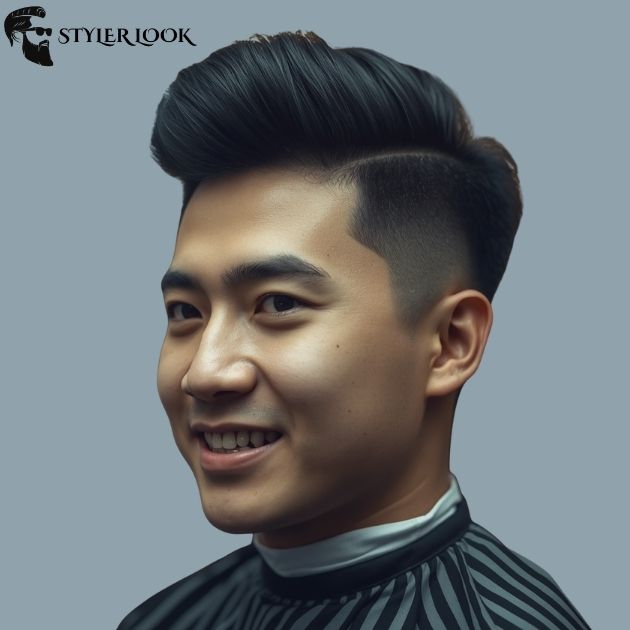
Thick hair practically begs for this haircut. The taper fade helps manage the density on the sides, making the whole look feel controlled rather than overwhelming. The back holds shape beautifully without any extra effort. Light wax or matte paste defines the style without weighing the hair down. For men with thick hair, this cut is one of the best ways to showcase their natural volume.
Taper Fade Mullet Middle Part
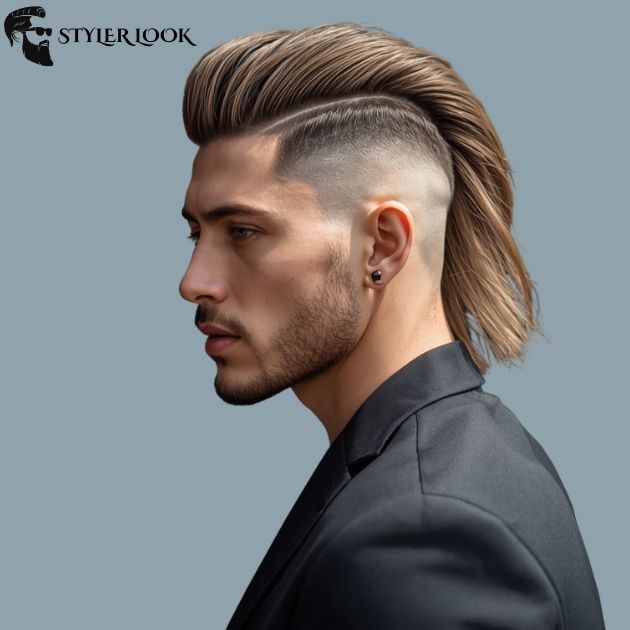
The middle part adds symmetry and a touch of vintage cool to the taper fade mullet. Hair is divided cleanly down the center of the top, then flows back into the mullet length. The sides fade low and clean, framing the face evenly. This style references 90s influences while staying completely modern. It suits oval and heart-shaped faces particularly well.
Casual Style
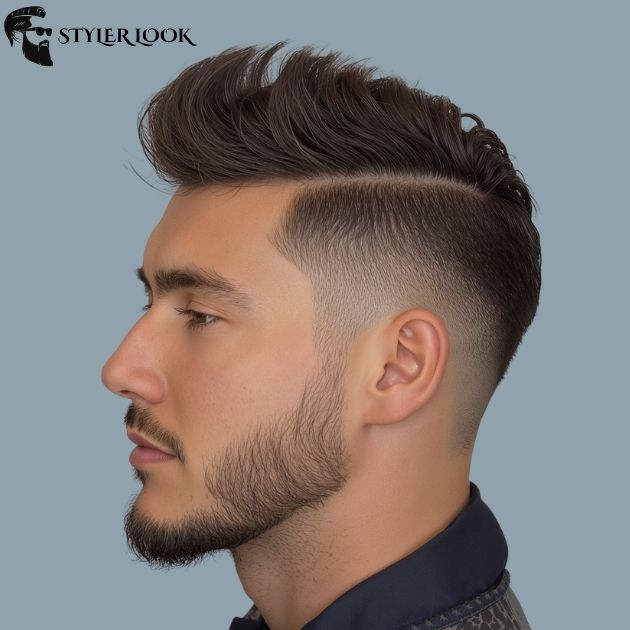
The casual low taper fade mullet is low-maintenance by design. There is no rigid shape or heavy styling. The fade is clean, the back is natural, and the top sits comfortably without much product. This is the version you reach for on weekends or whenever you want to look good without trying too hard. A tiny amount of light hold cream or nothing at all works perfectly here.
Layered Style
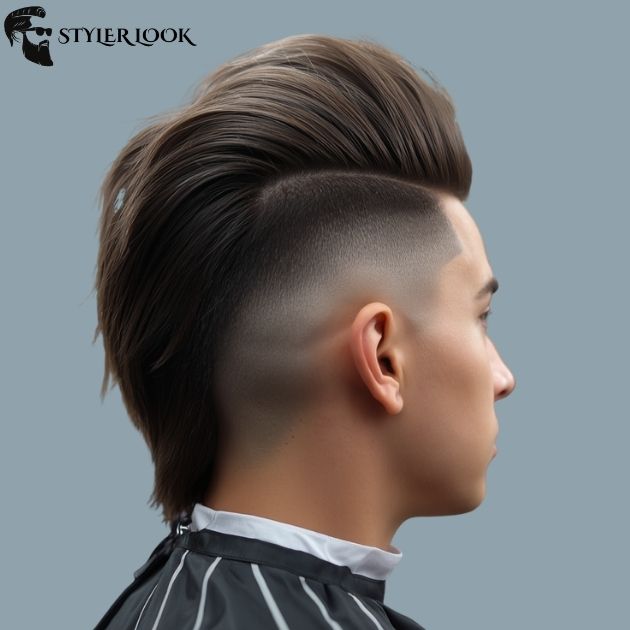
Layering adds movement, shape, and definition to the mullet back. Instead of a blunt, uniform length, the layers create different levels of flow that look dynamic and intentional. The fade connects smoothly to the layered section, giving the overall cut a polished, structured feel. This version works best for men with medium to thick hair who want extra dimension.
Soft Style
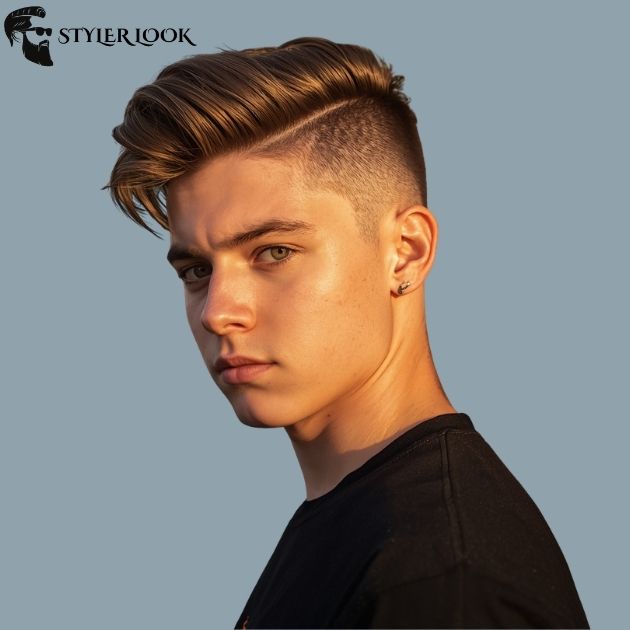
The soft taper fade mullet is subtle and refined. The fade is gentle, the back keeps a modest length, and the whole cut avoids harsh lines. It is the most approachable version of this haircut, suitable for men who want something fresh without going too bold. Light hold styling cream keeps the finish natural. This version works across most hair types.
Taper Fade Mullet Fringe Style
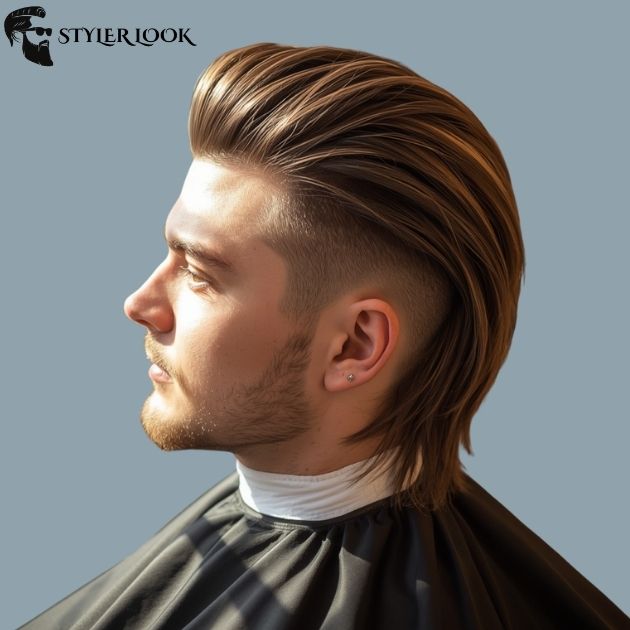
Adding a fringe to the front changes the entire energy of the cut. A blunt or textured fringe frames the forehead while the fade and mullet back do their thing. The contrast between the forward-facing fringe and the backward mullet creates a unique visual tension that looks deliberately cool. This is a great option for men with oval or longer face shapes.
Textured Top Style
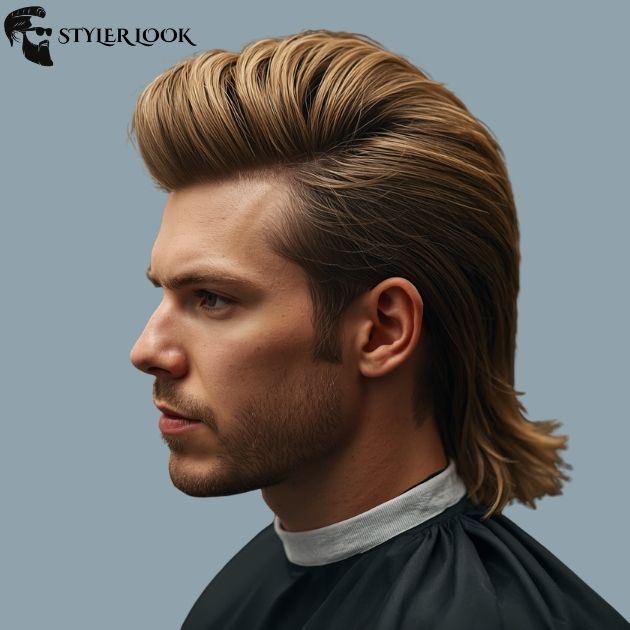
The focus here is on the crown. A heavily textured top with choppy, piece-y sections contrasts beautifully with a clean low fade and a moderate mullet length in the back. The result feels editorial and intentional without being overdone. Matte clay applied with fingers is all you need to build the look from scratch each morning.
Trend Style
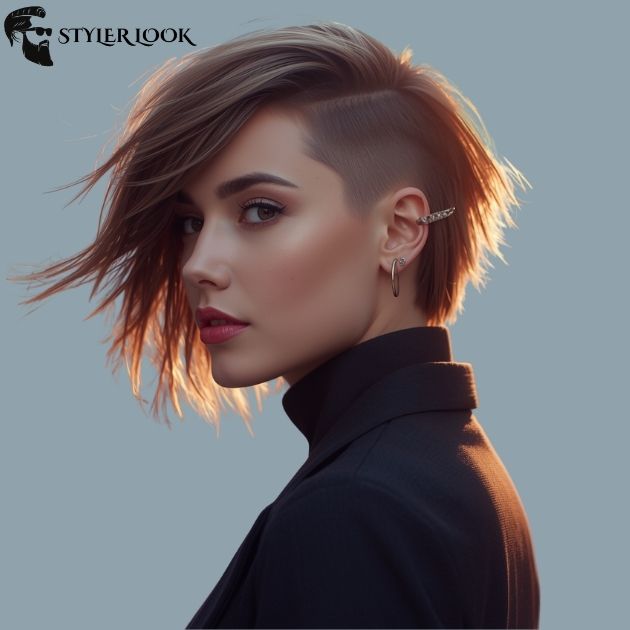
This variation pulls from the most current influences in men’s grooming. Think clean geometry, deliberate styling, and a mullet back that sits right at the collar. It is the version celebrities and influencers gravitate toward because it reads as fashion-forward rather than nostalgic. Keep the fade razor-sharp and the back well-trimmed for the full effect.
Clean Style
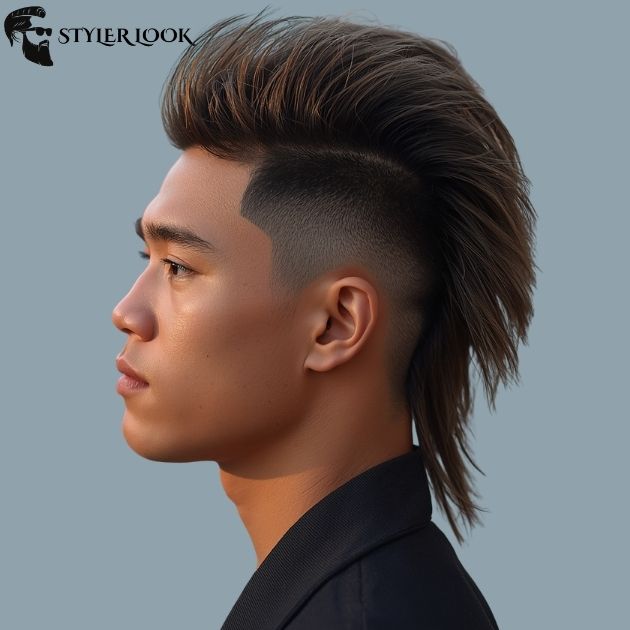
Nothing distracted, nothing excessive. The clean low taper fade mullet is about precision. The fade lines are crisp, the back is trimmed neatly, and the top is shaped with care. It is the barbershop version of wearing a perfectly pressed shirt. A small amount of light pomade delivers just enough hold to keep everything where it should be throughout the day.
Classic Modern Look
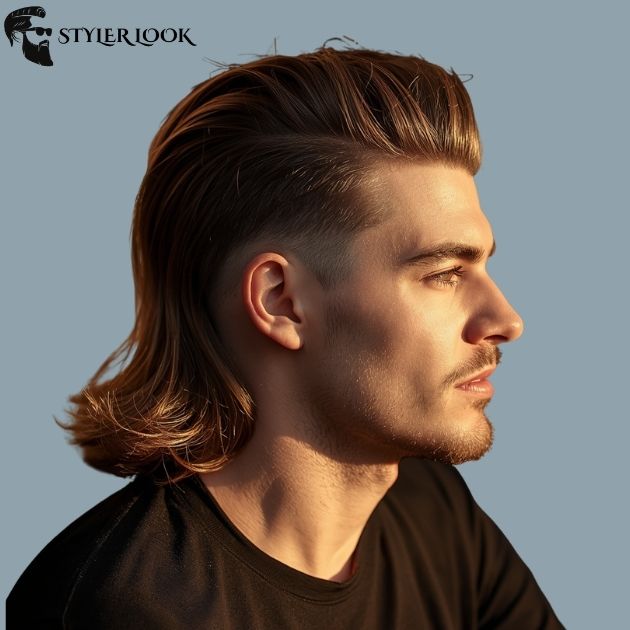
This final variation is the best of both worlds. It takes the structure and proportions of the classic mullet and applies modern fade techniques to create a cut that feels timeless and current at the same time. The top carries slight texture, the sides fade cleanly, and the back holds a length that references the original while staying fresh. This is the version that suits the widest range of men, ages, face shapes, and hair types alike.
How to Ask Your Barber for a Taper Fade Mullet
Walking into a barbershop with a clear idea makes the whole experience smoother and gets you a better result. Here is exactly what to say and do:
- Use the phrase “low taper fade mullet” so your barber understands the fade height from the start.
- Specify the back length. Tell your barber whether you want the back to sit at your collar, above it, or below it.
- Mention your hair type and any concerns, such as thinning areas or natural curl patterns.
- Bring a reference photo. A clear image of the specific variation you want eliminates guesswork.
- Discuss the top. Let your barber know whether you prefer it textured, smooth, swept back, or with a fringe.
A good barber will ask follow-up questions, but coming in prepared shows you know what you want and helps you get it right the first time.
How to Maintain a Taper Fade Mullet
Keeping this cut looking its best requires a small amount of consistent effort.
Trim schedule: Visit your barber every 3 to 5 weeks to maintain the fade and keep the back from getting unruly. The fade grows out faster than the rest of the cut and loses its shape quickly.
Daily styling routine:
- Wash hair with a quality shampoo suited to your hair type
- Towel dry and apply your preferred styling product while the hair is slightly damp
- Use matte clay for texture, pomade for shine and control, or sea salt spray for a natural wave effect
- Style the top and back in your preferred direction and let it air dry or use a diffuser on low heat
Product tips by hair type:
- Fine or thin hair: lightweight texturizing spray to add volume without weighing it down
- Thick hair: medium-hold matte paste to manage density
- Curly hair: curl-defining cream to enhance natural texture
- Straight hair: light pomade or styling cream for control and shine
The back section, especially if kept longer, benefits from occasional deep conditioning to prevent dryness and maintain a healthy appearance.
FAQ’s
What is the difference between a low taper and a fade?
A taper gradually shortens hair toward the neckline while leaving some length, whereas a fade blends all the way down to the skin for a sharper contrast.
What face shape suits a low taper fade mullet?
Oval, round, and heart-shaped faces work best, as the shorter sides and longer back balance facial proportions naturally.
Can I get a low taper fade mullet with curly hair?
Yes, curly hair works beautifully with this cut, and the natural texture at the back adds volume and movement to the mullet.
How long does the back need to be for a mullet?
The back typically starts a few inches longer than the sides, ranging from just past the collar to shoulder length depending on the look you want.
Is the low taper fade mullet suitable for professional settings?
Yes, especially when styled neatly. The low fade keeps the sides clean and polished, making it work-appropriate in most environments.
How often should I wash my low taper fade mullet?
Washing two to three times per week with a quality shampoo is generally ideal for maintaining scalp health without stripping natural oils.
Can thin hair pull off a low taper fade mullet?
Absolutely. A barber can use layering and lightweight products to add volume and create the appearance of thicker hair.
Conclusion
The low taper fade mullet is more than a trend. It is a genuinely wearable, endlessly customizable haircut that works across hair types, face shapes, and personal styles. Whether you gravitate toward the clean precision of the classic look, the texture-forward energy of the messy style, or the bold statement of the long back version, there is a variation here built for you.
The key is knowing what you want, communicating clearly with your barber, and giving the cut the simple maintenance it needs to stay sharp. Once you find your version of this look, you will understand exactly why barbershops across the country cannot keep up with the demand for it.
Jettson Cole is a style enthusiast and hair trend curator, sharing expert tips to help you look sharp and feel confident every day.