
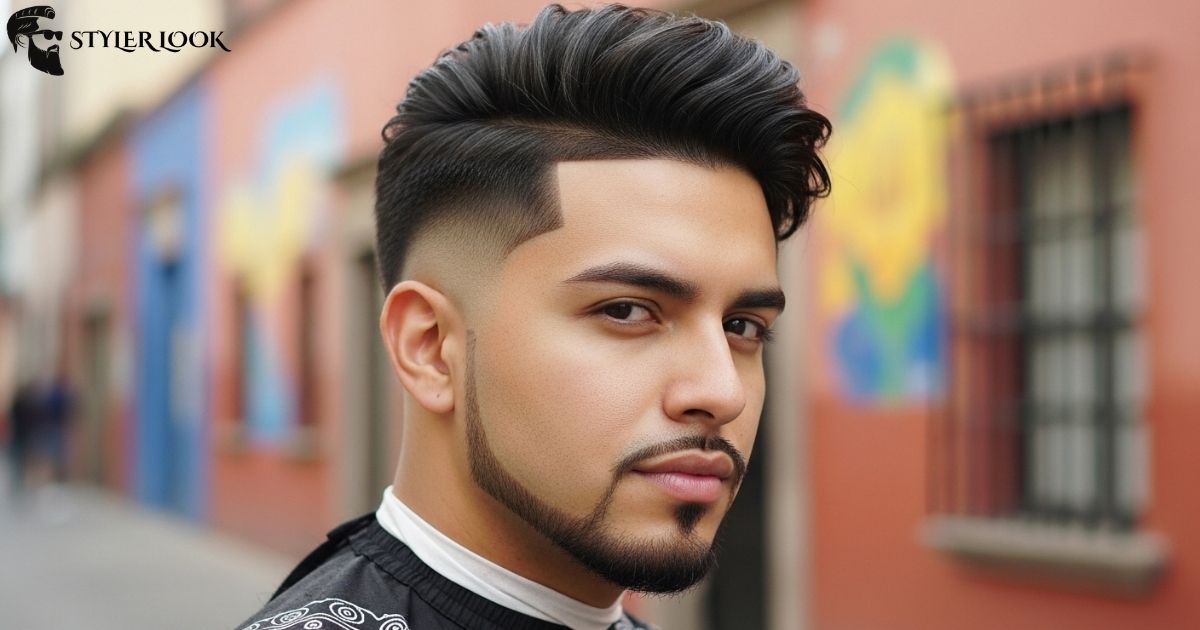
You’ve walked past the barbershop window a dozen times. You’ve seen that haircut on athletes, musicians, and your neighbor down the street. Clean sides, sharp lines, something unmistakably bold about it. That’s the Mexican taper fade, and it’s not just a haircut. It’s a cultural statement wrapped in precision.
This style has been turning heads for decades. It started in Latino barbershops where skill met identity. Today it’s everywhere, from Instagram feeds to red carpets. Whether you’re rocking curls on top or going full slick back, the Mexican taper fade fits. It’s sharp without trying too hard. It’s cultural without being exclusive. And once you try it, there’s genuinely no going back.
What Is a Mexican Taper Fade?
You’ve probably seen it a hundred times without knowing what to call it. That clean, gradually shrinking haircut on the sides that somehow manages to look both effortless and razor-sharp? That’s the Mexican taper fade. It’s one of those haircuts that carries more than just style. It carries identity, culture, and a whole lot of barbershop pride.
At its core, this haircut blends a taper and a fade together in a way that feels distinctly rooted in Latino grooming traditions. The sides and back gradually get shorter as they move toward the neckline and ears. The transition is smooth. No harsh lines, no choppy jumps. Just a clean, blended finish that frames the face perfectly.
What makes it “Mexican” isn’t just about geography. It’s about the aesthetic and the cultural fingerprint behind it. Latino barbers have refined this style over decades, mixing precision with personality in a way that’s become iconic.
Read More: Low Taper Fade: 17 Best Styles and Grooming Tips for Men
Understanding the Taper Fade Haircut Concept

Let’s clear something up right away. A taper and a fade are related but not the same thing.
A taper simply means the hair gets progressively shorter toward the bottom. A fade takes that idea further by blending the hair so smoothly that it almost disappears into the skin. When you combine both, you get a taper fade, a style that transitions from longer hair on top to a close, clean finish around the ears and neck.
The Mexican taper fade leans into that combination with a particular sharpness. The lineup along the hairline is crisp. The blend is immaculate. And the top is usually left with enough length to work with, whether that’s curls, waves, a textured crop, or a slick back.
Types of Mexican Taper Fade Haircuts (Low, Mid, and High)
Not every taper fade sits at the same level on your head. Where the fade begins changes the entire look. That’s why understanding low, mid, and high placements matters before you walk into a barbershop.
Low Mexican Taper Fade – The Subtle, Clean Look

The low taper fade starts its blending right above the ears and near the neckline. It’s understated. If you want something polished without screaming for attention, this is your go-to option.
This variation works beautifully in professional settings. It keeps the sides tight but not dramatic. You still get that clean, structured look without it feeling too bold or edgy. It’s also one of the more forgiving styles for people growing into the fade look for the first time.
Think of it as the quiet confidence version of the Mexican taper fade.
Mid Mexican Taper Fade – The Balanced Everyday Style

The mid taper fade starts around the temples. It hits that sweet spot between subtle and bold. Not too conservative, not too extreme. Just right.
This is the most popular variation you’ll see in everyday settings. It gives the face a sharp, defined frame while still keeping the overall look versatile. You can dress it up or dress it down without the haircut feeling out of place. Pair it with a textured top or a simple combover and you’re sorted.
For most men, the mid fade is the starting point. It suits a wide range of face shapes and hair textures, which is probably why barbers recommend it so often.
High Mexican Taper Fade – Bold and Eye-Catching

The high taper fade starts blending close to the top of the head. It makes a statement. The contrast between the longer hair on top and the tight, faded sides is dramatic and intentional.
This one’s for the guys who want their haircut to do the talking. It pairs exceptionally well with thicker hair on top, curls, waves, or a full textured crop all pop beautifully with this kind of contrast. It’s also the style most commonly seen paired with the Edgar cut, which we’ll get into next.
Mexican Taper Fade with Edgar Cut (Iconic Latino Combo)

If the Mexican taper fade is a cultural staple, the Edgar cut is its natural partner. Together they form one of the most recognizable Latino hairstyle combinations in modern grooming culture.
The Edgar cut features a straight, blunt fringe across the forehead paired with short sides. When you add a taper fade beneath that, the result is structured, sharp, and unmistakably bold. It’s become a signature look across Latino communities, especially among younger men who want something with cultural weight and visual edge.
Why the Edgar Cut Complements the Taper Fade?

The geometry is the answer. The Edgar cut’s flat, horizontal top line contrasts sharply with the gradual slope of the taper fade on the sides. That contrast creates a look that’s visually striking without looking messy or overdone.
It also reinforces the cultural identity behind the style. The Edgar cut itself has deep roots in Latino youth culture, and pairing it with a taper fade amplifies that connection. It’s not just a haircut. It’s a statement.
How to Ask Your Barber for a Mexican Taper Fade?

Walking into a barbershop and knowing exactly what to say makes the whole experience smoother. Barbers appreciate clients who come prepared. It saves time and ensures you leave happy.
Start by telling your barber where you want the fade to begin, low, mid, or high. Then describe how short you want the sides and whether you want a skin fade or a softer blend. Mention what you want on top, whether that’s length for curls, a textured crop, or a slick back style.
Showing a reference photo never hurts. In fact, most barbers prefer it. Words can be vague, but a photo removes all ambiguity.
Tips for Explaining the Haircut Clearly
Keep it simple. Tell your barber the fade level first, then the top style. Use words like “blended,” “clean lineup,” and “faded sides” so they understand the aesthetic you’re going for. If you want a high contrast look, say that. If you want something subtle and professional, say that too.
Don’t be afraid to ask questions. A good barber will guide you if you’re unsure. The goal is a conversation, not a guessing game.
Cultural Meaning Behind the Mexican Taper Fade
This haircut isn’t just a trend. It’s a tradition.
Latino communities have long used grooming as a form of cultural expression. The barbershop has always been more than a place to get a haircut. It’s a gathering space. A place where identity gets reinforced, stories get shared, and pride gets expressed through the work done in the chair.
Latino Barbershop Traditions and Identity
In many Latino neighborhoods, the barbershop functions as a community cornerstone. Barbers are respected figures. They know their clients personally, and the relationship built over years of regular visits carries real social weight.
The Mexican taper fade emerged from this environment. It was refined by Latino barbers who understood their clients’ hair textures, facial structures, and cultural preferences. Over time, it became more than a haircut style. It became a symbol of belonging and pride.
Getting this haircut isn’t just about looking good. It’s about connecting to something larger than yourself.
Pop Culture and the Rise of the Latino Fade Haircut
Social media has supercharged the visibility of Latino hairstyle trends. Platforms like Instagram, TikTok, and YouTube have given barbers a global stage to showcase their craft. Latino barbers with massive followings have turned the taper fade into an internationally recognized style.
Music, film, and sports have played roles too. Seeing Latino artists and athletes sporting sharp fades on screen and stage sends a clear message. This style is cool, current, and culturally resonant. It’s no coincidence that the Mexican taper fade has moved from neighborhood barbershops to style guides around the world.
How to Maintain a Mexican Taper Fade (Easy Barber Tips)
Getting the haircut is step one. Keeping it looking fresh is where most people drop the ball.
Regular Barber Visits
A well-maintained taper fade needs consistent attention. Visiting your barber every two to three weeks keeps the fade looking clean and sharp. Waiting too long lets the sides grow out unevenly, which destroys the gradient effect that makes the style so appealing.
Think of it like maintaining a car. Skip the regular service and things start to look rough pretty quickly.
Home Maintenance Tips
Between visits, there are a few things you can do to keep things tidy. Keep the hairline clean if you have a trimmer at home. Moisturize your scalp, especially if you have naturally dry hair. Use a light oil or scalp serum to prevent flaking and keep the skin beneath the fade healthy.
Avoid washing your hair with harsh shampoos too frequently. Two to three times a week is enough for most hair types. Over-washing strips natural oils and can make your scalp irritable, especially around freshly faded skin.
Recommended Hair Products for Fade Care
For the top, the right product depends on your hair type and desired finish. Matte pomades work well for textured or curly hair. They give hold without the greasy shine. For a slick back style, a water-based pomade or gel with medium hold does the job cleanly.
If you have curly hair, a curl cream or defining mousse helps maintain shape and bounce without stiffening the hair. Edge control products work well for keeping the hairline looking defined between barber visits.
For scalp health, lightweight oils like argan or jojoba are excellent choices. They absorb quickly and don’t leave residue.
Who Can Wear a Mexican Taper Fade? (Face Shapes and Hair Types)
Here’s the good news. The Mexican taper fade is one of the most universally flattering haircuts out there. But knowing how to tailor it to your specific face shape and hair texture makes all the difference.
Best Face Shapes for the Taper Fade
Oval faces are the most flexible. Almost every fade variation works well on an oval face shape. If that’s you, consider yourself lucky, you can experiment freely.
For round faces, a higher fade with more volume on top creates the illusion of length. It draws the eye upward, which balances the rounder jawline and cheeks.
Square faces benefit from mid fades that soften the angular jaw. Avoid extremely tight high fades if you have a prominent square jaw, as they can make it look too boxy.
Oblong or longer faces suit lower fades better. Adding width on the sides and keeping things subtle prevents the face from looking even longer.
Matching Fade Styles to Hair Texture
Straight hair takes to the fade beautifully. It shows the gradient clearly and holds product well for styled looks.
Curly hair with a taper fade creates one of the most visually dynamic results. The contrast between tight faded sides and bouncy curls on top is genuinely striking. Many barbers recommend a mid or high fade for curly hair to maximize that contrast.
Thick, coarse hair common among many Latino men holds up well to all fade levels. It gives barbers more to work with and generally produces sharper results. Fine hair works best with lower fades since the gradient is less dramatic and more forgiving.
Mexican Taper Fade vs. Other Fades (Key Differences Explained)
The barbershop world is full of fade variations. Understanding how the Mexican taper fade differs from other styles helps you make a smarter choice when you’re in the chair.
Taper Fade vs. Skin Fade

The key difference is how close the hair gets to the skin. A taper fade blends the hair gradually shorter but doesn’t necessarily reach skin level. A skin fade, also called a bald fade, takes the hair all the way down to the bare skin, creating a more extreme contrast.
The Mexican taper fade often incorporates elements of both, depending on how tight the barber takes the sides. It’s flexible that way.
Mexican Taper Fade vs. Drop Fade

A drop fade curves downward behind the ear, following the natural shape of the head. It creates a softer, more rounded silhouette compared to the straighter, more structured look of a standard taper fade.
The Mexican taper fade typically keeps a more linear fade line. The drop fade suits those who want something with a bit more flow and less geometric sharpness.
Mexican Taper Fade vs. Burst Fade

A burst fade radiates outward around the ear in a semicircular pattern. It creates a very specific, artistic effect that works especially well with mohawks and other bold top styles.
The Mexican taper fade is more versatile and less polarizing in its shape. It suits a broader range of hairstyles and professional settings compared to the burst fade’s more niche appeal.
How to Do a Mexican Taper Fade (Barber Tutorial Overview)
Understanding the process gives you a better eye for quality when you’re sitting in the chair. You don’t need to become a barber, but knowing the steps helps you recognize good work.
Step-by-Step Process
The barber typically begins by sectioning the hair and identifying where the fade will start. They use a clipper guard to establish the initial length, then work their way down with progressively shorter guards to create the gradient.
Blending is the most technical part. The barber uses a combination of clipper-over-comb technique and blending scissors to smooth out any harsh lines between guard lengths. This creates that seamless transition from longer hair to shorter hair.
Once the sides are blended, the barber cleans up the neckline and trims the hairline for a sharp lineup. Finally, they style the top based on your preference, whether that’s a textured finish, a defined part, or a slicked back look.
The whole process typically takes between 30 and 60 minutes depending on complexity and the barber’s experience.
Styling Ideas for Mexican Taper Fade (Trendy Variations)
One of the best things about this haircut is how much room it leaves for creativity on top. The clean sides serve as a blank canvas for whatever style suits your personality.
Mexican Taper Fade with Textured Top Style

A textured top is one of the most popular pairings. The hair on top is cut with choppy, uneven layers that create natural-looking movement and dimension. With a matte pomade or texture paste, you can define those layers and get a finish that looks intentionally effortless.
This combination works especially well for men with naturally wavy or slightly curly hair. The texture on top complements the structured fade below and creates a balanced, modern look.
Curly Hair Mexican Taper Fade Look

If you’ve got curls, lean into them. A taper fade with a curly top is genuinely one of the sharpest combinations in modern men’s hairstyles. The fade keeps the sides crisp while the curls add personality and volume on top.
The key is keeping the curls hydrated and defined. A good curl cream applied to damp hair, followed by air drying or diffusing, gives you that bouncy, natural finish that looks stunning against a clean fade.
Slick Back Taper Fade Hairstyle

The slick back is a timeless option. It brings a sense of old-school sophistication to the fade’s modern sharpness. You sweep the top hair straight back using a medium-hold pomade or gel, leaving the faded sides exposed for a sleek, polished finish.
This style works best with straight or slightly wavy hair. It reads as both professional and stylish, which makes it a great option if you need a look that transitions from office to evening without a second thought.
Taper Fade with Hair Design Art

For those who want to push the boundaries, adding a hair design to the fade takes things to another level entirely. Geometric patterns, lines, tribal-inspired motifs, or simple zig-zags etched into the faded sides create a truly personalized look.
This is where barber artistry really shines. Many Latino barbers are particularly known for their precision design work. It’s a way to make the haircut uniquely yours. However, keep in mind that designs require more frequent touch-ups to stay sharp.
Final Touch – Why These Variations Matter
The Mexican taper fade isn’t a single, rigid haircut. It’s a foundation. Each variation builds on that foundation in a different direction, giving you the freedom to express your personality, adapt to your lifestyle, and honor the cultural roots behind the style.
Whether you prefer something clean and corporate or bold and expressive, there’s a version of this haircut that fits you perfectly.
FAQ’s
What is a Mexican taper fade haircut?
It’s a fade haircut where the sides gradually shorten from top to bottom, blending into a clean finish. It’s deeply rooted in Latino barbershop culture and known for its sharp, polished appearance.
How often should I get a taper fade to keep it looking fresh?
Every two to three weeks is the sweet spot. Waiting longer lets the sides grow out and lose that clean, blended look that makes the style so appealing.
Does a taper fade work for curly hair?
Absolutely. Curly hair actually looks fantastic with a taper fade. The contrast between tight sides and full curls on top creates one of the most striking combinations in men’s grooming.
Is the Mexican taper fade suitable for a professional environment?
Yes, especially the low or mid variation. It’s a clean, structured haircut that looks polished without being flashy. Many men wear it confidently in office settings without any issues.
What’s the difference between a taper fade and a skin fade?
A taper fade gradually shortens the hair without necessarily going to the skin. A skin fade takes the hair all the way down to bare skin for a more dramatic contrast. The Mexican taper fade can incorporate both depending on how tight you want the sides.
