
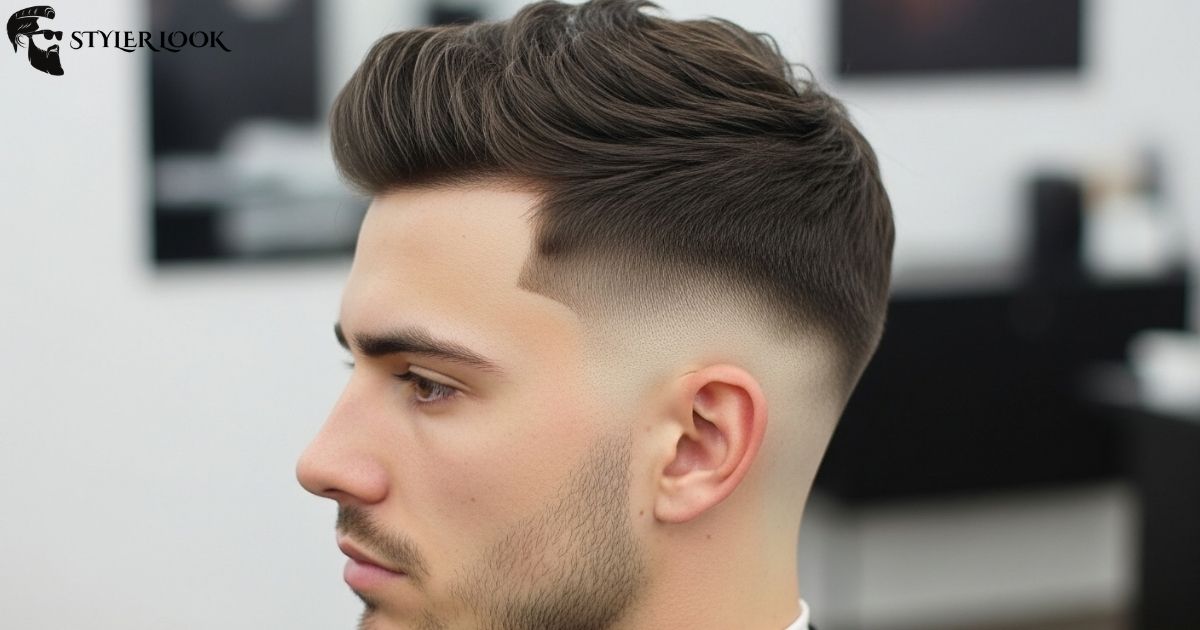
A low taper fade is a neat and understated haircut where the hair gradually becomes shorter around the neckline and ears, creating a sharp yet natural appearance. It remains one of the most popular styles because it combines a professional look with a modern edge, making it suitable for almost any environment.
For men who want a refined but subtle hairstyle that works well with longer hair on top, this is an excellent choice. You might wonder what makes it so popular. The drop taper fade is highly versatile and fits any occasion, whether it’s for the office or casual outings. It also pairs effortlessly with styles like buzz cuts, comb-overs, and textured flows, making it ideal for men seeking a stylish, low-maintenance, and polished look.
In this article, we’ll explore the top variations of low taper fade haircuts, guide you on how to choose the right one for your style, and explain how to request it from your barber. We’ll also include images to help you visualize the different haircut variations.
What Is a Low Taper Fade?
You’ve probably seen it everywhere lately. On the subway, at the gym, in your Instagram feed. That clean, sharp haircut where the sides taper down gradually near the ears and neckline? That’s the low taper fade, and it’s arguably the most versatile men’s haircut right now.
So what exactly makes it “low”? The fade starts just above the ear, keeping most of the hair on the sides intact. It blends smoothly into the skin near the bottom, but the transition happens lower on the head compared to a mid or high fade. The result is a subtle, refined look that works in a boardroom just as easily as it works at a rooftop party.
What makes this cut so popular is its adaptability. It suits almost every hair type, whether you’ve got tight coils, bone-straight strands, or thick waves. It pairs well with beards. It complements almost every face shape. And it grows out gracefully, which means you’re not rushing back to the barber every two weeks.
It’s not a loud haircut. It doesn’t scream for attention. But somehow, it always gets noticed.
Read More: Soccer Player Haircuts: 34 Iconic Styles & Trends 2026
Best Low Taper Fade Haircuts by Style
Low Taper Fade with Curly Hair

Curly hair and a low taper fade are practically made for each other. The fade keeps the sides clean and structured while letting your curls do their thing on top. Think volume, definition, and movement all working together.
To keep curls looking their best, use a curl cream or a light mousse after washing. Scrunch it in while your hair is still damp and let it air dry if you can. Diffusing works too if you’re short on time. The contrast between the tight fade at the sides and the bouncy curls on top is genuinely striking.
Short Hair with Low Taper Fade

Short hair with a low taper fade is the definition of low maintenance done right. There’s barely anything to style on top, but the tapered sides give the whole look a polished, intentional feel. It’s the kind of haircut that looks like you tried without actually trying.
This works especially well for men who want a professional look without spending ten minutes in front of the mirror every morning. A quick brush or a tiny bit of pomade and you’re out the door.
Low Taper Fade with Design

Want to turn heads? Ask your barber to carve a design into the fade. We’re talking geometric lines, sharp parts, small patterns near the temple. A well-executed design elevates a standard low taper fade into something that feels genuinely custom.
This style works best when the top is kept relatively simple. Let the design speak. A messy top with a complex design can look cluttered. Balance is everything.
Textured Crop + Low Taper

The textured crop with a low taper fade has been dominating barbershop request lists for a few years now, and it’s not going anywhere. The crop sits flat and textured on top, usually with a fringe pushed forward, while the sides taper down cleanly.
It suits almost every face shape, which is part of why it’s so popular. Round faces benefit from the added height in the fringe. Square faces get softened by the horizontal crop. It’s a genuinely flattering cut across the board.
Buzz Cut with Low Taper Fade

A buzz cut on its own can look a little rough around the edges. Add a low taper fade and suddenly it looks intentional, sharp, and confident. The fade refines the edges and gives the buzz cut a finished quality that a standard clipper cut doesn’t have.
This is one of the easiest styles to maintain at home between barber visits. The top barely changes, so all you’re really managing is keeping the taper looking fresh.
Faux Hawk with Low Taper Fade

The faux hawk never really went away. It just got more refined. Pairing a faux hawk with a low taper fade softens what used to be a fairly aggressive hairstyle. The strip of longer hair running down the center of the head still gives you that edgy silhouette, but the low fade keeps it grounded and wearable.
Use a matte clay or a strong-hold pomade to shape the hawk. You want it to hold without looking crunchy or stiff.
Low Taper Fade with Beard

This is where things get really good. A low taper fade with a beard creates one of the most cohesive, masculine looks in men’s grooming. When the fade blends seamlessly into a well-maintained beard, the whole face comes together in a way that feels intentional and sharp.
The key here is continuity. Ask your barber to line up the beard and connect it naturally with the fade. A hard disconnect between the two can look awkward. When it’s done well though, this combination is genuinely one of the best looks a man can wear.
Low Taper Fade Afro

An afro with a low taper fade is a celebration of texture and natural hair done with precision. The sides are faded low and clean, which makes the afro on top look even fuller and more dramatic by contrast. It’s a bold, confident style that carries serious cultural weight and aesthetic power.
Keeping the afro moisturized is essential. Use a good leave-in conditioner and a pick to maintain shape and volume without breakage.
Low Taper Fade with Twists or Locs

Twists and locs carry their own visual weight. A low taper fade underneath them creates a cleaner foundation that lets the twists or locs be the focal point. The fade frames the face without competing with the texture on top.
This is a style that requires a skilled barber, specifically one experienced with natural hair. The fade needs to be precise because any unevenness will be immediately visible against the defined texture above.
Comb Over with Low Taper Fade

The comb over fade haircut has made a full comeback, and honestly, it deserves all the attention it’s getting. The hair on top is swept to one side, creating a clean part and a sleek finish. The low fade underneath keeps the overall look modern rather than dated.
This works beautifully for men with straight or slightly wavy hair. It’s also one of the most professional-looking options in this entire list. Office-friendly and genuinely stylish.
Low Taper Mullet

Yes, the mullet is back. No, it doesn’t look like 1987. The modern low taper mullet keeps things longer in the back while staying short and structured on the sides and top. The low fade gives it a contemporary edge that the original mullet never had.
It’s a bold choice, no question. But if you’ve got the confidence to pull it off, it’s one of the most distinctive looks out there right now.
Spiky Hair with Low Taper

Spiky hair with a low taper fade brings a casual, youthful energy to a very clean base. The spikes on top add personality while the taper keeps the overall look from going too wild. It’s playful without being messy.
Use a light wax or a styling paste to create the spikes. You want texture and definition, not helmet hair. Work it through with your fingers rather than a comb for a more natural finish.
Low Taper Fade with Side Part

A hard side part with a low taper fade is classic barbershop territory. It’s clean, structured, and carries a certain old-school elegance that never really gets old. The part creates a sharp division that the fade at the sides mirrors in its own way.
This style suits men with medium to longer hair on top. It pairs well with a suit, with casual wear, with pretty much anything.
Modern Pompadour + Low Taper Fade

The modern pompadour fade is volume and structure at the same time. Hair is swept up and back from the forehead, creating height and drama, while the low fade keeps the sides minimal and clean. It’s a high-impact look that photographs exceptionally well.
You’ll need a strong hold product to maintain the height throughout the day. A pomade with a bit of shine works well here. The contrast between the voluminous top and the faded sides is exactly what makes this style so visually compelling.
Fluffy or Messy Top with Tapered Sides

Not every style needs to be precise and polished. A fluffy or messy top with tapered sides leans into effortless texture. The top is left loose, airy, and slightly undone while the tapered sides anchor the look and keep it from appearing unkempt.
A sea salt spray or a texturizing product works perfectly here. Scrunch it in, let it dry naturally, and you’re done. It looks casual but there’s intention behind it.
Low Taper with Straight Hair

Straight hair lays flat and smooth, which means the low taper fade shows off its precision especially well. Every line is visible. Every blend is on display. This is why straight hair and taper fades pair so naturally together.
Styling options are wide open. You can go sleek and side-swept, textured and choppy, or even spiky. Straight hair is highly cooperative and holds most styles well with minimal product.
Long Hair with Low Taper Fade

Long hair on top with a low taper fade is a modern take on contrast styling. The length on top gives you flexibility for buns, braids, half-ups, or just letting it flow, while the fade keeps the sides neat and defined.
The transition from long to short can be dramatic or gradual depending on how you ask your barber to approach it. Either way, it gives the overall look structure without sacrificing the length you’ve worked to grow.
Low Taper Fade vs High Taper Fade: What’s the Difference?
The difference comes down to where the fade begins. A low taper fade starts near the bottom of the head, just above the ear and neckline. A high taper fade starts much higher, sometimes at the top of the ear or even above the temples.
High taper fades are bolder and more dramatic. They expose more skin on the sides and create a stronger contrast between the top and the sides. Low taper fades are subtler. They leave more hair on the sides, making them easier to grow out and more conservative in professional settings.
If you’re new to fades or you’re not sure which one fits your lifestyle, starting with a low taper fade is almost always the safer and smarter choice. You can always go higher from there.
Taper Fade vs Skin Fade: Which One Do You Need?
Here’s a distinction a lot of men overlook. A taper fade blends the hair gradually shorter as it moves down but doesn’t necessarily reach the skin. A skin fade goes all the way down to the skin, creating a stark, clean contrast.
Skin fades are sharper and more high-maintenance. They tend to look overgrown faster because any new growth is immediately visible against bare skin. Taper fades are more forgiving and grow out much more gracefully.
For a professional look that lasts longer between barber visits, a taper fade is generally the better call. For maximum sharpness and visual impact, a skin fade delivers. It depends entirely on how often you’re willing to sit in the barber’s chair.
How to Ask Your Barber for a Low Taper Fade?
A lot of men sit down in the barber’s chair and freeze when asked what they want. Here’s exactly what to say: “I’d like a low taper fade, starting just above the ear and blending into the skin at the neckline. Keep the top at about this length.” Then show them a photo if you have one.
Photos genuinely help. Save a reference image on your phone before you go. It removes all ambiguity and gives your barber a clear target. Don’t be vague, don’t assume they’ll figure it out. The more specific you are, the better the result.
Also mention whether you want a hard part, a design, or any specific detailing. Tell them about your beard if you want it blended into the fade. Communication is the single most important factor in walking out happy.
How to Retain a Low Taper Fade at Home?
Getting the cut is the easy part. Keeping it looking fresh between visits takes a little effort. Here’s how to do it properly.
Keep it Tidy
Use a handheld mirror and your bathroom mirror together to check the back and sides regularly. Catching stray hairs early keeps the shape intact longer.
Skin Care
The skin along your neckline and temples is exposed after a fade. Moisturize it. Dry, flaky skin around a fresh fade doesn’t look great. A simple, unscented moisturizer applied after showering does the job.
Style with Ease
Don’t fight your hair’s natural texture when styling. Work with it. Use products suited to your hair type and apply them to slightly damp hair for the best hold and finish.
Regular Touch-ups
If you own a trimmer, you can clean up the neckline yourself between visits. Just be careful. It’s easy to overdo it and end up taking off more than you intended. Small, careful passes are always better than confident, sweeping ones.
Barber Visits
For most men, a low taper fade needs a refresh every three to four weeks. Set a standing appointment if you can. It’s easier to maintain a great cut than to rescue a grown-out one.
Clean the Trimmer
A dirty trimmer pulls hair instead of cutting it cleanly. Clean the blade after every use and oil it regularly. It makes a real difference in performance and longevity.
Protect Your Scalp Skin
If your fade exposes a lot of skin, use SPF on sunny days. Sun damage on the scalp is more common than people realize, and a burned, peeling neckline is not a good look with an otherwise sharp haircut.
Final Thoughts
The low taper fade has earned its place as one of the most reliable, flattering, and genuinely versatile haircuts in men’s grooming. It works across hair types, face shapes, and lifestyles. Whether you want something clean and professional or bold and expressive, there’s a version of this cut that fits.
The best part? It’s not a trend that’s going to disappear next season. It’s a foundational barbershop style that continues to evolve with each new variation. Find the version that works for your hair and your personality, communicate it clearly to your barber, and maintain it properly at home. That’s really all it takes.
FAQ’s
How often should I get a low taper fade trimmed?
Most men need a touch-up every three to four weeks to keep the fade looking sharp and well-defined.
Is a low taper fade suitable for a professional work environment?
Yes, it’s one of the most workplace-appropriate fade styles because of its subtle and clean appearance.
Can a low taper fade work on all hair types?
Absolutely. It works well on straight, wavy, curly, and coily hair with adjustments to the top styling.
What’s the difference between a taper and a fade?
A taper gradually shortens the hair without necessarily reaching the skin, while a fade blends all the way down to the skin for a sharper finish.
How do I stop my low taper fade from looking grown out quickly?
Moisturize the skin around the fade, clean up the neckline with a trimmer between visits, and schedule regular barber appointments every three to four weeks.
