
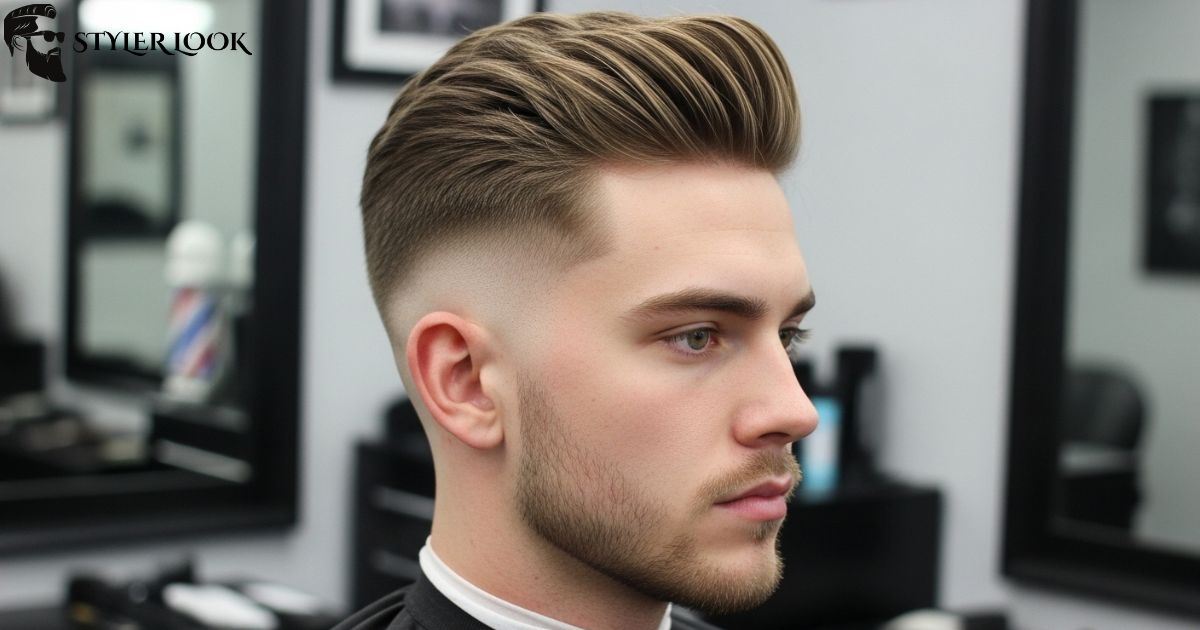
Ever sat in a barber’s chair and had no idea what to ask for? You’re not alone. Most men know they want a fade but struggle to explain exactly which one. And with so many options out there, it’s easy to feel overwhelmed before the clippers even come out.
Here’s the good news. Once you understand the different types of fade haircuts, choosing becomes surprisingly simple. Whether you want something clean and subtle or bold and head-turning, there’s a fade that fits your face, your hair, and your vibe perfectly.
What Is a Fade Haircut? Understanding the Basics
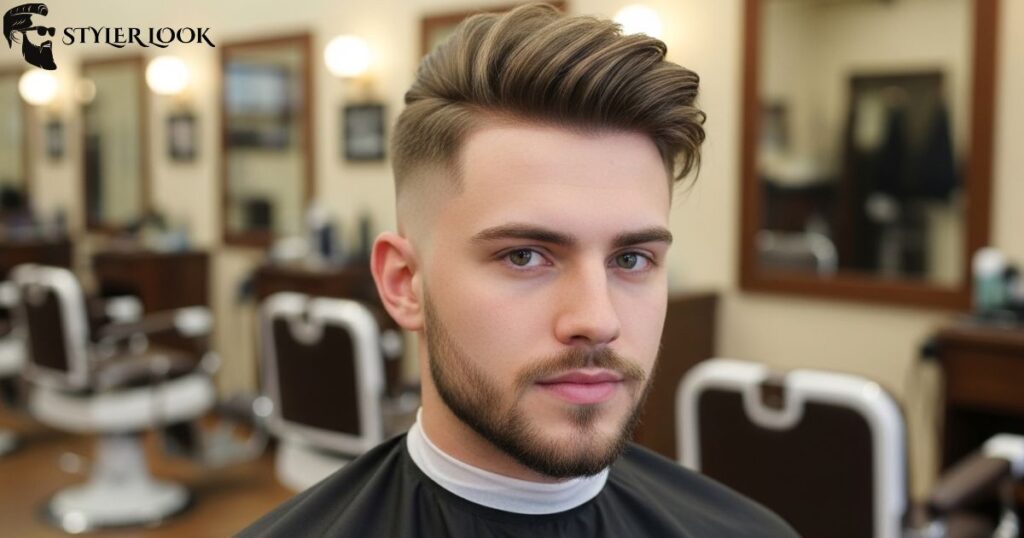
A fade haircut is exactly what it sounds like. The hair gradually transitions from longer on top to shorter on the sides and back, blending seamlessly into the skin. It’s that smooth, gradient effect you see on guys walking out of barbershops looking fresh and sharp.
What makes a fade different from just a regular short cut is the blending. A skilled barber uses clipper guard sizes and techniques to create that seamless shift from one length to another. No harsh lines, no choppy sections. Just a clean, smooth progression that frames your face and gives the whole look structure.
Fades have been around for decades, deeply rooted in Black barbershop culture before crossing over into mainstream men’s grooming. Today, they’re one of the most requested styles globally, and honestly, it’s not hard to see why. They work with almost every hair type, suit most face shapes, and pair beautifully with beards, longer tops, and even textured or curly hair.
Fade vs. Taper vs. Skin Fade: What’s the Difference?
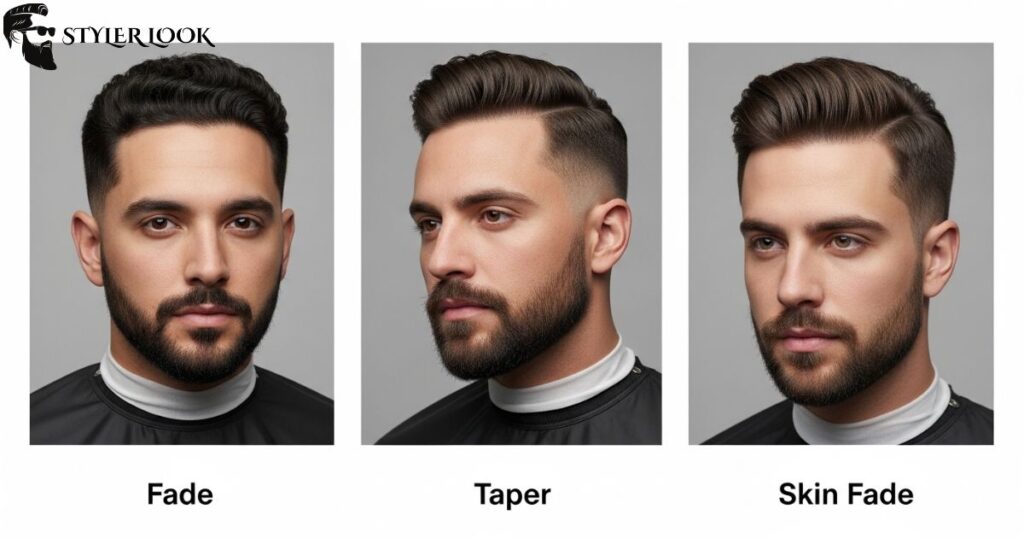
People mix up these three terms constantly, and it causes a lot of confusion in the barber’s chair. Let’s clear it up quickly.
A taper is a gradual reduction in hair length, typically starting higher up and ending just above the ear or neckline. It’s subtle. The hair doesn’t go all the way down to the skin. A fade, on the other hand, goes much shorter, often blending completely into the skin near the bottom. A skin fade, also called a bald fade, takes it even further. The hair disappears entirely into bare skin with zero transition left visible.
Think of it this way. A taper is a gentle slope. A fade is a steeper drop. A skin fade is a cliff edge.
Read More: Ivy League Haircut: 22 Clean & Timeless Styles for Men
When to Pick a Fade vs. a Taper?
Choosing between the two really depends on your lifestyle and personal taste. Here’s a quick guide to help you decide.
A professional or classic look
If you work in a formal environment or prefer something timeless, a taper fits better. It’s refined and understated without screaming for attention.
Lower maintenance
Tapers grow out more gracefully than fades. If you can’t make it to the barber every two to three weeks, a taper buys you more time before it starts looking messy.
Versatility
Both styles are versatile, but fades pair particularly well with modern, textured, or voluminous tops. If you’re planning a stylish men’s hairstyle with a quiff, crop, or pompadour, a fade gives it that sharp contrast it needs.
A bold, modern style
Fades are more eye-catching by nature. If you want something that reads as intentional and current, go for the fade every time.
To accentuate facial features
Fades draw attention upward toward your face. If you have strong jawlines, cheekbones, or a well-groomed beard, a fade makes all of that pop.
A very clean finish
Skin fades deliver the cleanest possible look. Fresh out of the chair, they look almost surgical in their precision.
To try a trendy look
In 2026, fade haircut ideas keep evolving. New variations like the blurry fade and shadow fade are making waves. If you want something trendy, a fade gives you more creative territory to explore.
Top 7 Essential Types of Fade Haircuts
Now let’s get into the heart of it. These are the foundational types of fade haircuts every man should know before stepping into a barbershop.
1. Low Fade — Subtle and Stylish
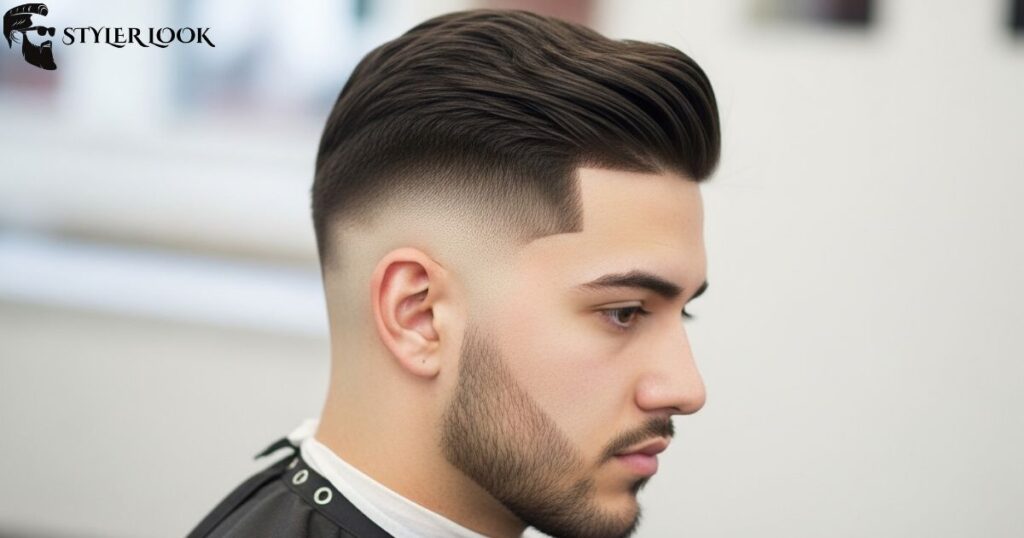
The low fade starts just above the ear and blends down toward the neckline. It’s one of the most subtle fade options available, which is exactly why so many men love it. You still get the clean, structured look of a fade without it being too dramatic or high-contrast.
This one works brilliantly for men who want to look polished at work without going too extreme. It also suits almost every face shape, making it one of the most universally flattering low fade haircut styles around.
2. Mid Fade — Balanced and Versatile
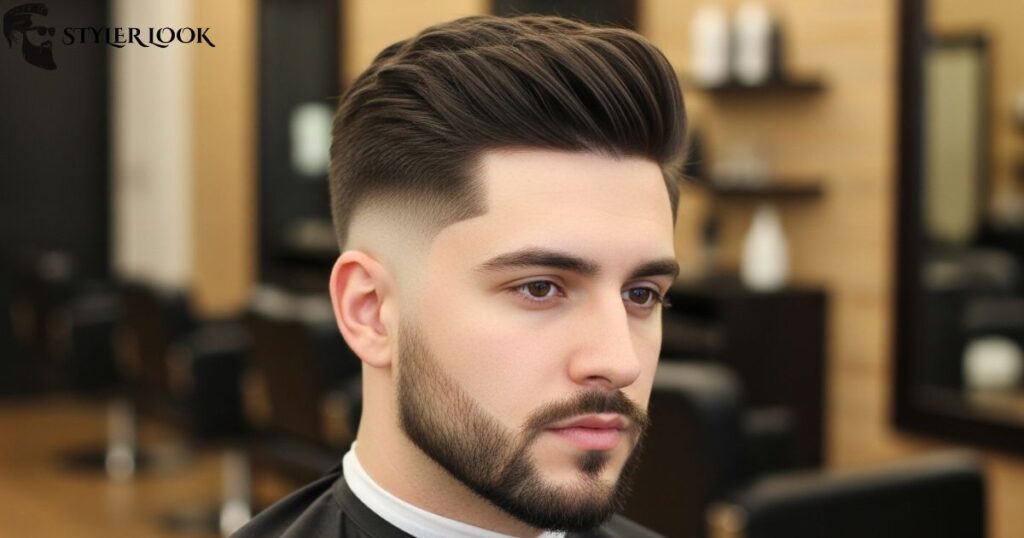
The mid fade sits right between the ear and the temple. It strikes a balance between subtle and bold, which is probably why it’s one of the most popular choices at barbershops worldwide. It gives you that noticeable fade effect without the intensity of a high fade.
Mid fade haircut ideas pair well with everything from short crops to longer styled tops. If you’re unsure where to start, the mid fade is a genuinely safe and stylish bet.
3. High Fade — Bold and Defined
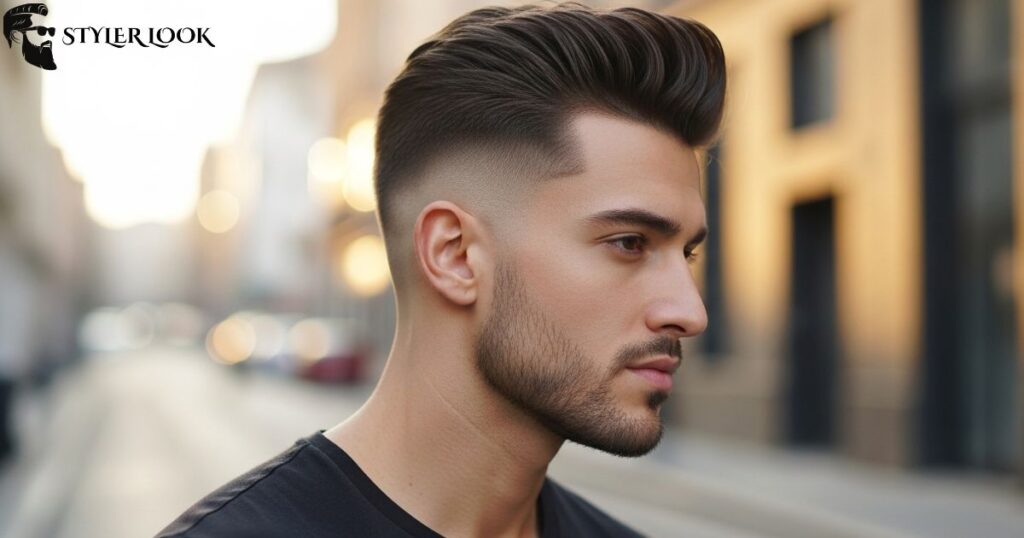
The high fade starts near the temple and sometimes even higher. It creates a strong contrast between the closely shaved sides and whatever you’re wearing on top. It’s a dramatic look, intentionally so.
High fade haircut looks work best for men who want their hairstyle to make a statement. Pair it with a textured crop, a faux hawk, or a slick-back, and you’ve got something that turns heads. Keep in mind, though, that high fades grow out faster and require more frequent barber visits to stay looking sharp.
4. Skin (Bald) Fade — Clean and Modern
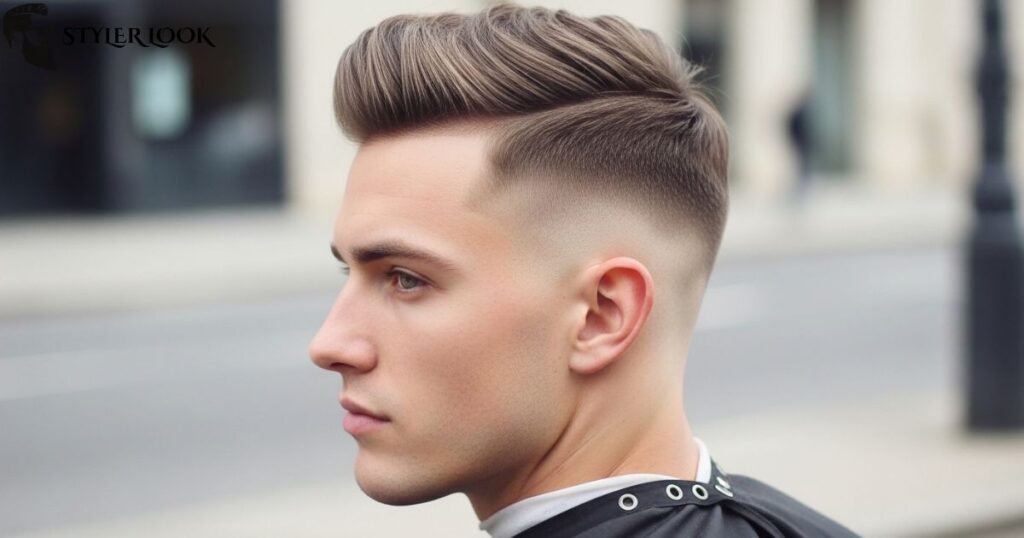
This is the most extreme version of the fade. The hair blends all the way down to bare skin, leaving no visible hair at all near the bottom. It looks incredibly clean and defined, especially right after a fresh trim.
Skin fades are popular in modern men’s haircuts because they create maximum contrast. They also look stunning paired with a beard, which creates a natural frame around the face that feels balanced and intentional.
5. Drop Fade — Unique Curved Fade
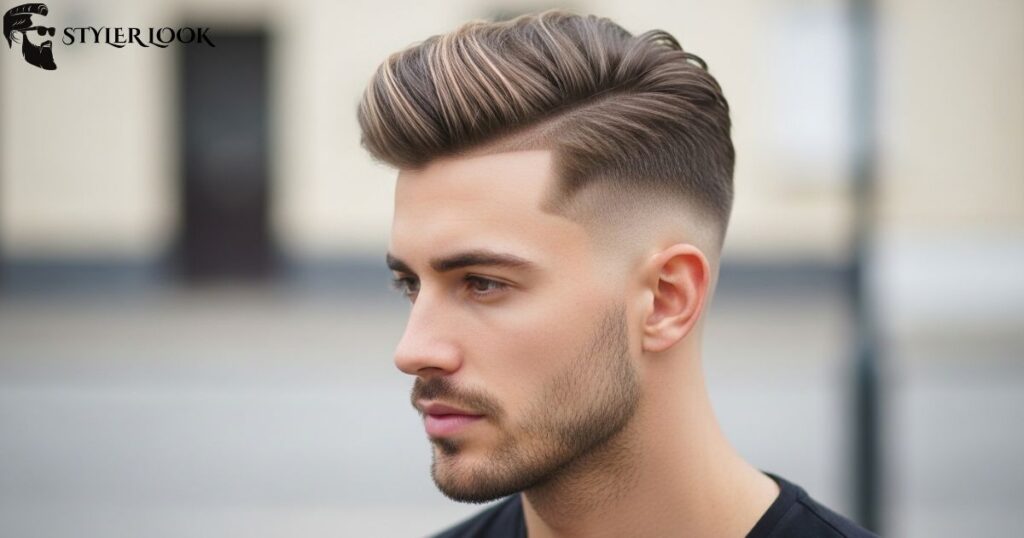
The drop fade follows a curved arc behind the ear and drops lower at the back of the head. This gives it a distinctive silhouette that stands out from the standard horizontal fade line. It’s artistic without being over the top.
This style is especially popular among men who want something a little different but still clean and structured. It pairs nicely with textured curly hair or longer tops that need a distinctive base shape.
6. Burst Fade — Retro Meets Contemporary
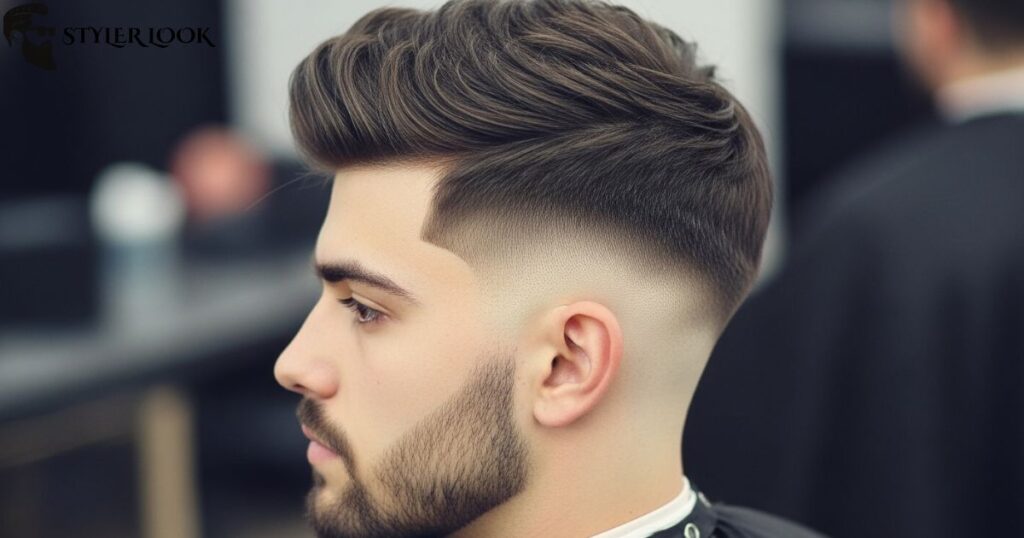
The burst fade radiates outward from behind the ear in a semicircular pattern, almost like a sunburst. It frames the back of the head beautifully and creates a unique shape that feels both retro and fresh.
This style looks particularly good with mohawks, frohawks, or longer natural hair on top. It’s one of those fade haircut variations that gets real attention. Not for the faint-hearted, but absolutely worth it if you want something distinctive.
7. Temple (Taper) Fade — Sharp and Sleek
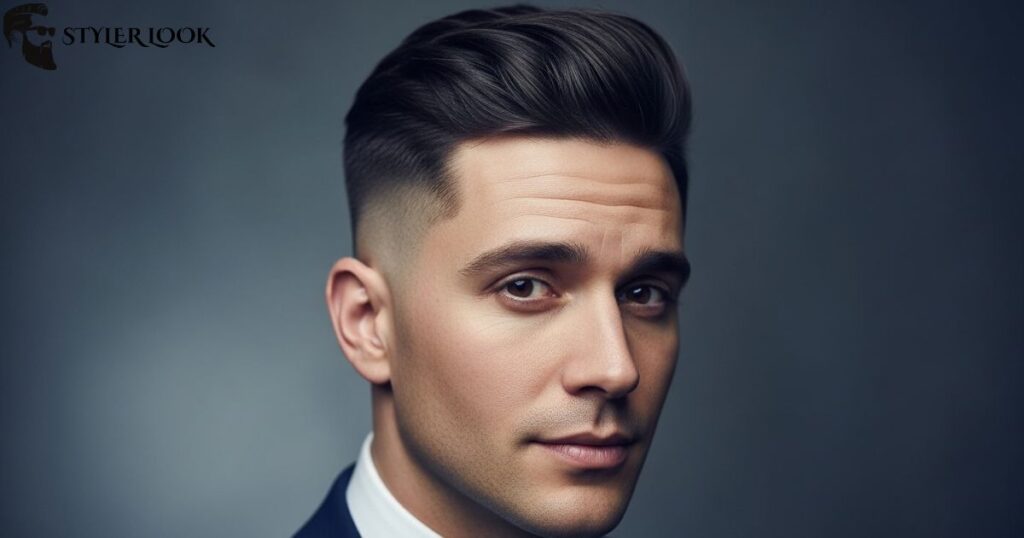
The temple fade, sometimes called a taper fade, focuses the blending specifically around the temple and hairline area. It’s precise and detail-oriented, cleaning up the sides without dramatically changing the overall length.
This one is great if you want something that looks groomed and intentional without committing to a full fade. It’s also one of the cleaner haircut styles for men who work in more formal settings.
Speciality Types of Fade Haircuts and Trending Variations in 2026
Beyond the classics, barbers are getting increasingly creative. Here are some of the freshest fade haircut ideas making noise in 2026.
Blurry Fade
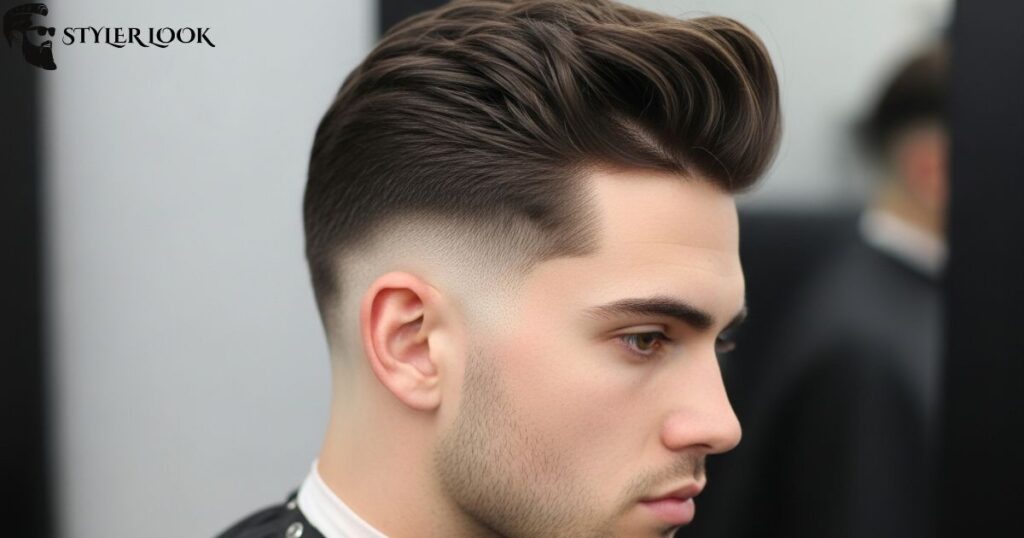
The blurry fade is exactly what it sounds like. Instead of a sharp, defined gradient, the transition between lengths is deliberately soft and diffused. It looks almost dreamy compared to the crisp lines of a skin fade and has become a go-to for men who want something softer and less aggressive.
Shadow Fade
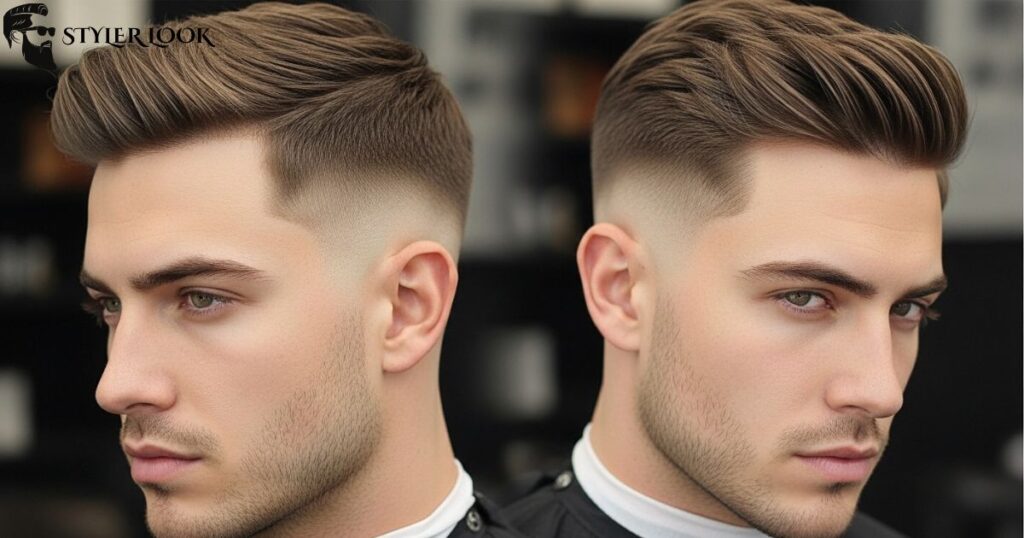
The shadow fade uses subtle tonal shifts to create a gradient that looks like a natural shadow cast across the sides of the head. It’s less dramatic than a high fade but more textured and interesting than a standard low fade. Perfect for men who want depth without drama.
Disconnected Fade
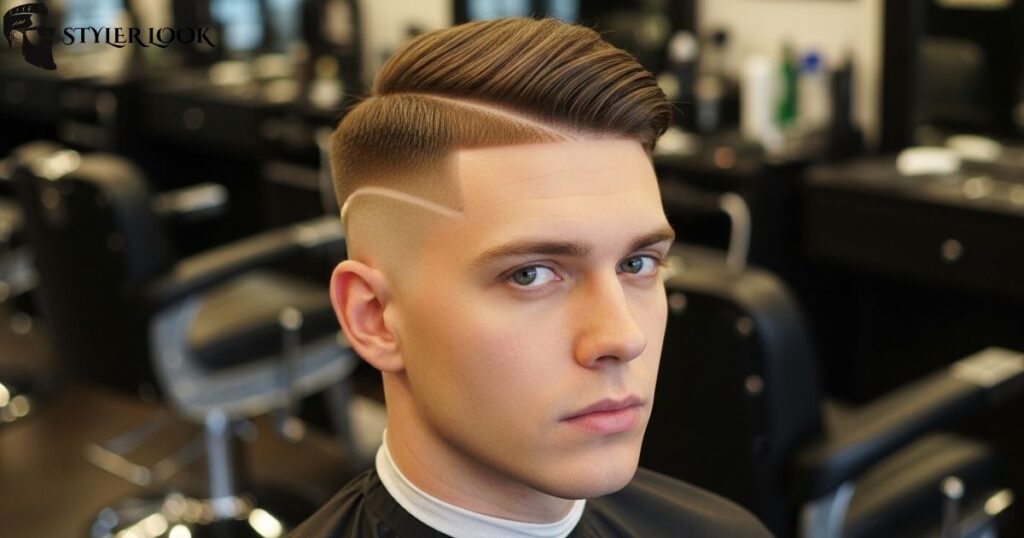
Here, the top section and the faded sides aren’t blended together. They sit separately, often with a clear, deliberate contrast between them. It’s a bold stylistic choice that screams confidence and suits men who enjoy a strong visual contrast in their look.
Scissor Fade
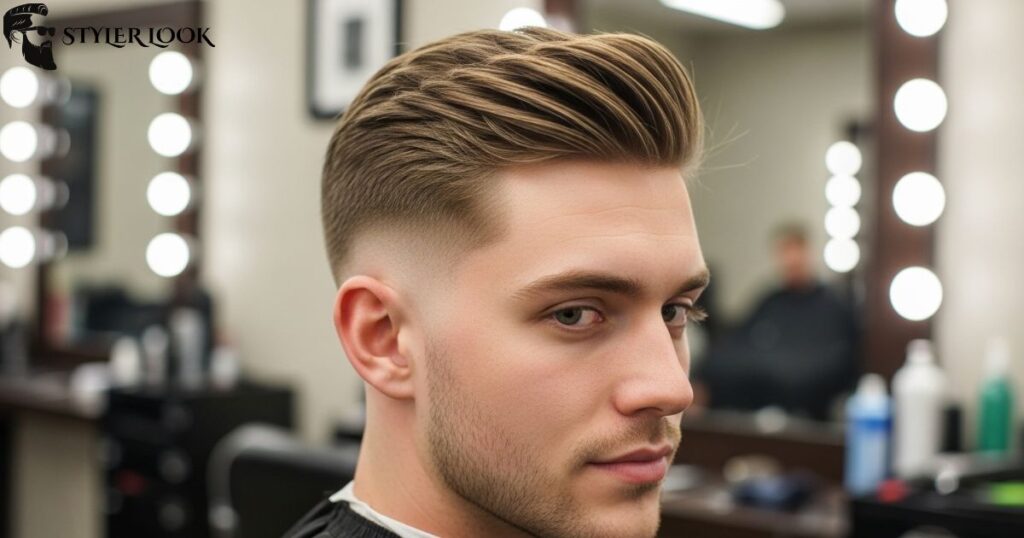
Unlike clipper-based fades, the scissor fade uses cutting shears to achieve the gradient effect. It results in a softer, more textured transition that works particularly well for men with thicker or curlier hair. It’s a more labor-intensive technique but delivers a uniquely natural finish.
Box Fade
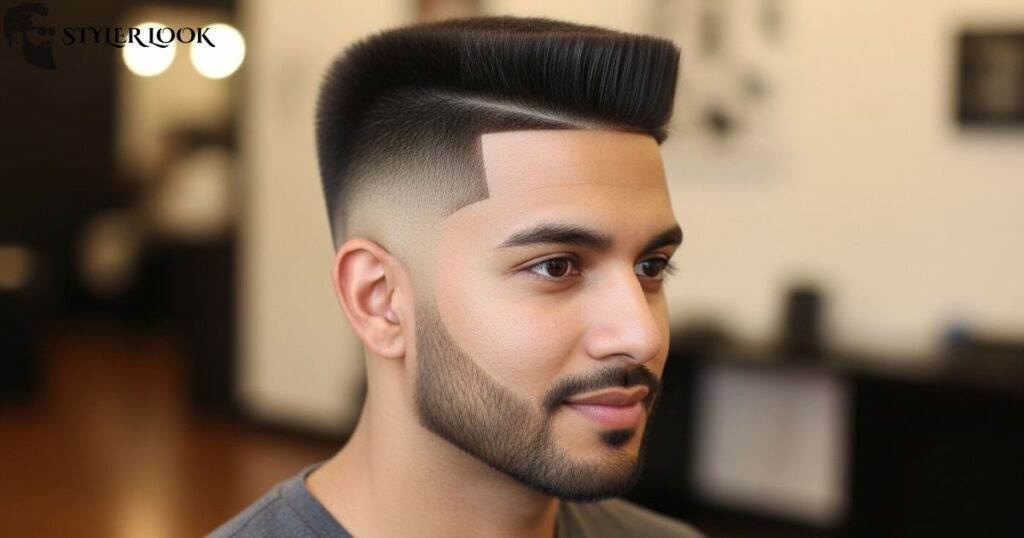
The box fade, often associated with Black hairstyles and culture, creates a flat, boxy top with a clearly defined fade on the sides. It’s a bold, angular style that celebrates natural hair texture and works beautifully with afro-textured hair.
Fade with Hair Tattoos and Hard Parts
Adding shaved designs or a hard part line into a fade takes it from a haircut to a piece of wearable art. Barbers use precision razors to carve geometric shapes, patterns, or lines directly into the faded sides. It’s one of the most personalized haircut choices available today.
Mullet Fade and Pompadour Fade
Yes, the mullet is back, but it’s evolved. The modern mullet fade combines that iconic longer-back shape with a clean, tapered fade on the sides, making it far more polished than its predecessor. The pompadour fade, meanwhile, sweeps the hair dramatically upward and backward on top while fading the sides sharply. Both styles sit comfortably among the most daring and talked-about fade haircut ideas for 2026.
Choosing the Right Fade for Your Face Shape & Hair Type
Not every fade works for every face. That’s the honest truth. Knowing your face shape helps you narrow down your choices quickly.
If you have a round face, a high fade adds height and length, which creates a more angular appearance. Oval faces are lucky. They suit almost every style, including skin fades, mid fades, and everything in between. Square faces work well with softer fades like low or shadow fades, which balance out the sharpness of the jawline. Men with oblong or diamond-shaped faces benefit most from mid fades, which add width to the sides without overdoing it.
Hair type matters just as much. If you have thick, coarse hair, skin fades and scissor fades give you cleaner results. Curly hair looks incredible with burst fades or drop fades because the texture on top creates a natural contrast with the faded sides. Fine hair benefits from mid or low fades, which add structure without exposing too much scalp.
How to Communicate Your Desired Fade to Your Barber?
Walking into a barbershop and just saying “give me a fade” leaves way too much room for interpretation. Be specific. Here’s how to do it effectively.
Start by naming the fade height. Say low, mid, or high. Then mention how short you want the bottom. Tell them if you want a skin fade, a blurry fade, or a more gradual gradient. If you have a reference photo on your phone, use it. A picture genuinely is worth a thousand words in a barbershop.
Also mention your hair type and any concerns you have. If your hair grows fast, ask about how the fade will look in three weeks. If you have a cowlick or an uneven hairline, point it out. A good barber will factor all of this in before they pick up a single clipper.
Maintenance Tips for Keeping Your Fade Fresh
A fresh fade is one of the best feelings in men’s grooming. Keeping it that way takes a little effort but nothing complicated.
How Often To Trim
Most fades start looking overgrown between two and four weeks after the cut. High fades and skin fades grow out faster and need touch-ups every two to three weeks. Low fades can stretch to four weeks, sometimes a little longer if the style is less dramatic.
Recommended Hair Care Routines
Wash your hair two to three times a week with a shampoo suited to your hair type. Over-washing strips natural oils and can make the scalp look dry and flaky, which is especially noticeable around a skin fade. Use a conditioner if your hair on top is longer than an inch.
Products That Help Maintain Clean Fades
A lightweight pomade or matte clay works well for most faded styles. For skin fades, keeping the scalp moisturized with a light oil or lotion prevents dryness and keeps the skin looking healthy between visits. A quality edge gel helps keep the hairline clean and defined.
Quick Daily Styling Tips
In the morning, a little water and product goes a long way. For textured styles on top, scrunch in some curl cream or light wax and let it air dry. For smoother styles, a quick blow-dry with a round brush keeps things polished. Keep a small comb or brush in your bag for touch-ups throughout the day.
Fade Haircuts by Hair Length
The length of your hair on top plays a major role in how your fade looks overall. Here’s a quick breakdown.
1. Short Fade Haircuts — Crisp and Easy
Short fades, where the top is cropped close to the head, are incredibly low maintenance. Think buzz cuts with skin fades or tight crops with mid fades. They look clean, modern, and sharp without requiring much styling effort at all.
2. Medium-Length Fade Styles — Versatile Looks
Medium-length tops with a fade give you plenty of creative freedom. You can wear the hair slicked back, swept to the side, or textured and messy. This is where most men find their sweet spot. It’s stylish without being too high-maintenance.
3. Long Top Fades — Bold and Stylish
Short sides long top fade styles are among the most popular in modern barbering. Whether you’re going for a slick-back undercut, a flowing quiff, or a man bun with faded sides, the contrast between the length on top and the clean fade below is what makes this look so striking.
How to Style Different Types of Fades?
Getting the cut is only half the job. Styling it properly is what makes the whole thing come together.
Styling Advice for Skin Fades, Drop Fades, And Burst Fades
Skin fades need the least styling on the sides since there’s nothing to work with down there. The focus goes entirely on the top. Drop fades and burst fades work best when the hair on top has some texture, so a sea salt spray or light wax is your best friend here.
Tools And Products For The Best Hold And Texture
A blow dryer with a diffuser works great for curly or wavy hair. A flat brush and pomade handle smooth, structured looks. For high hold without the shine, reach for a matte clay. For that wet, slick look, a strong-hold gel or pomade with shine is the way to go.
How To Avoid Common Fade Styling Mistakes?
The biggest mistake men make is using too much product. A little goes a long way, especially with fades where the focus is on the contrast between clean sides and a styled top. Overdoing the product makes everything look heavy and greasy. Apply sparingly, work through with your fingers, then adjust with a comb if needed.
Another common mistake is skipping the scalp care. A clean, moisturized scalp makes a skin fade look a hundred times better than a dry, flaky one. Don’t neglect what the fade reveals.
Final Thoughts
Fade haircuts aren’t just a trend. They’re a long-standing pillar of men’s grooming that keeps evolving without ever going out of style. Whether you gravitate toward the understated elegance of a low fade or the striking boldness of a high skin fade, the key is knowing what works for your face, your hair, and your daily lifestyle.
Use this guide as your starting point. Take it to your barber, have an honest conversation, and don’t be afraid to try something new. The right fade can genuinely transform how you look and, more importantly, how you feel walking out of that chair.
FAQ’s
What is the most popular type of fade haircut for men?
The mid fade is generally the most popular choice. It hits the sweet spot between subtle and bold, suits most face shapes, and works with almost any hairstyle on top.
How often should I get my fade touched up?
It depends on the fade type. High and skin fades need a refresh every two to three weeks, while low fades can last up to four weeks before they start looking overgrown.
Can fade haircuts work for all hair types?
Yes, most fade types work across different hair textures. Curly hair pairs beautifully with burst or drop fades, while straight or fine hair suits low or mid fades particularly well.
What is the difference between a fade and a taper?
A taper gradually reduces hair length without reaching the skin. A fade goes shorter, often blending all the way down to the skin for a cleaner, more defined effect.
How do I tell my barber exactly what fade I want?
Be specific about the height (low, mid, or high), how short you want the bottom, and whether you want a skin fade or a softer gradient. Bringing a reference photo always helps avoid any confusion.
Jettson Cole is a style enthusiast and hair trend curator, sharing expert tips to help you look sharp and feel confident every day.