
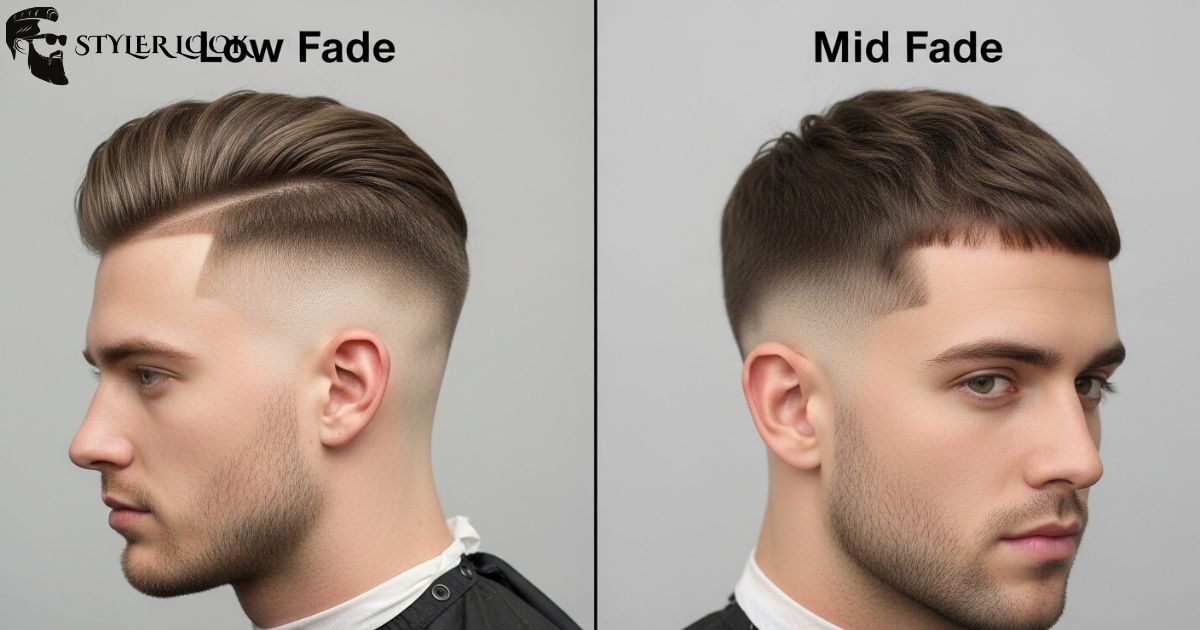
You’ve sat in that barber’s chair and blanked completely. “Just a fade” sounds simple until your barber asks which one. Low? Mid? High? Suddenly you’re guessing. And guessing gets you a haircut you didn’t actually want. That moment of confusion is more common than you think. Most guys don’t know the difference until it’s already too late.
Here’s the truth. Each fade sits at a different point on your head. Each one changes your whole look. The wrong choice can throw off your face shape, your style, even your confidence. The right one? It pulls everything together instantly. This guide breaks down every difference clearly so you never leave that chair disappointed again.
Understanding Fade Haircuts
What Is a Fade?
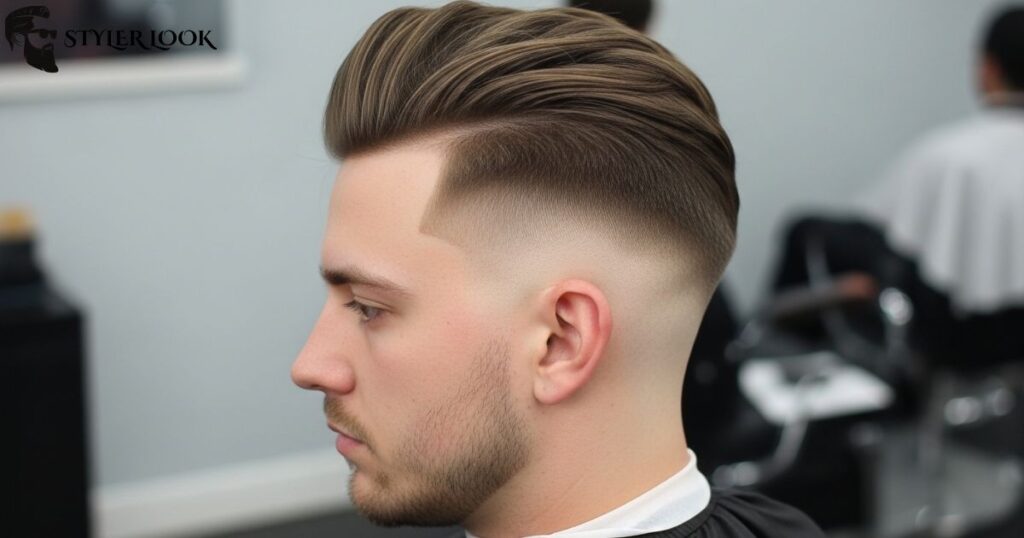
If you’ve ever walked out of a barbershop looking sharper than when you walked in, there’s a good chance a fade had something to do with it. A fade is a haircut technique where the hair gradually transitions from a longer length on top to shorter sides, eventually blending into the skin. It’s that smooth, seamless taper that makes a haircut look clean and intentional rather than just “trimmed.”
The magic of a fade is in the gradient. Your barber uses clippers at varying guard lengths to create a fluid shift from full hair to bare skin. No harsh lines. No awkward jumps in length. Just a natural, polished flow that frames your face beautifully.
Read More: High Fade Haircut: Bold, Clean & Modern Styles for Men
History and Popularity of Fades
Fades didn’t just appear out of nowhere. They have deep roots in African American barbering culture, dating back to the 1940s and 1950s. Military grooming standards during that era demanded clean, tight cuts, and the fade emerged as a practical and sharp-looking solution. By the 1980s and 1990s, it had taken on a cultural identity of its own, becoming a signature look in hip-hop, basketball, and street fashion.
Fast forward to today and the fade has crossed every cultural boundary imaginable. It’s as common in corporate offices as it is on basketball courts. Barbers around the world have refined the technique, and men of all hair types and face shapes now wear fades with confidence.
Why Fades Are So Popular Today?
Walk into any barbershop on a Saturday morning and you’ll see a line of guys all waiting for some version of a fade. That’s not a coincidence. Fades dominate men’s grooming for several very good reasons.
Versatility
A fade works with almost any hairstyle on top. Whether you’re rocking a quiff, a crop, a slick back, or even just leaving things natural, a fade at the sides ties everything together. It adapts rather than dictates.
Customization
No two fades have to look the same. You can control where it starts, how dramatic the blend is, and how much skin shows. That level of control is rare in a haircut.
Clean and Polished Look
Even on a bad hair day, a fresh fade makes you look put together. The clean taper at the sides does most of the heavy lifting for your overall appearance.
Personal Expression
Your fade says something about you. A dramatic high fade reads bold and confident. A subtle low fade says refined and understated. It’s grooming as self-expression.
Low-maintenance
Once you’ve got the right fade, day-to-day styling becomes much simpler. The structured silhouette does a lot of the work without you needing to fuss over it every morning.
Celebrity Influence
From LeBron James to David Beckham, from Drake to Zayn Malik, fades have been worn by some of the most visible men on the planet. That kind of cultural presence keeps the style cemented in popular consciousness.
Timeless Appeal
Trends come and go, but fades have been relevant for decades. That staying power says everything about how fundamentally flattering the cut is.
What Is a Low Fade?
Defining Characteristics
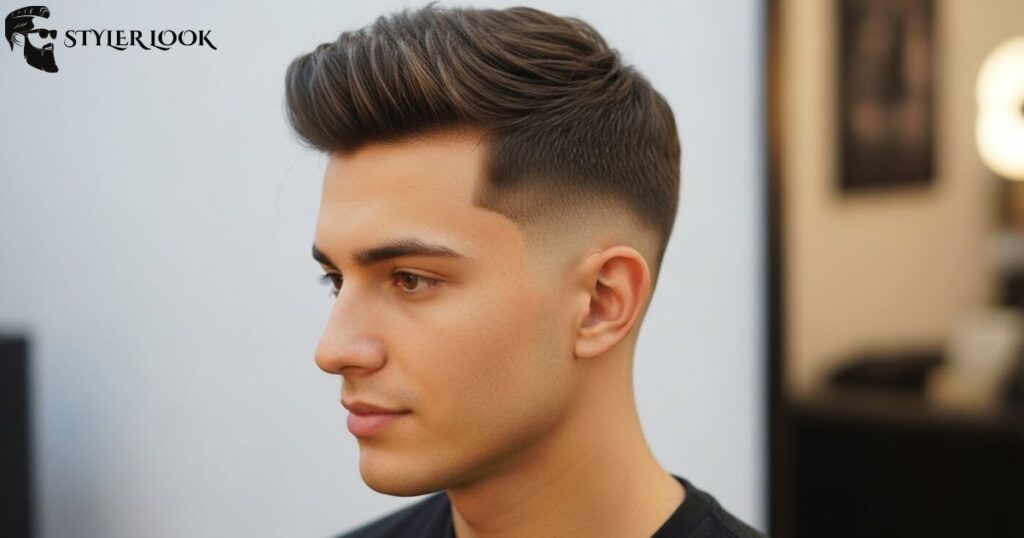
A low fade starts right above the ear and near the neckline. The transition from longer hair to skin happens very close to the bottom of the head. From a distance, it can almost look like a traditional taper, but up close the graduation is much more refined and precise. It’s the most conservative of the three options, keeping the sides relatively full while still offering that clean, blended finish.
Pros of a Low Fade
The low fade is incredibly versatile for professional environments. It doesn’t shout for attention, which makes it ideal if you work in a formal or corporate setting. It also grows out more gracefully than other fades, so you can go longer between barbershop visits without looking unkempt. For guys just getting into fades, it’s the most forgiving starting point.
Cons of a Low Fade
Because it stays so close to the hairline, a low fade doesn’t create as much visual contrast as higher fades. If you want a bold, dramatic look, the low fade might feel a little too safe. It also requires precise blending near the ear, which can be tricky for less experienced barbers.
Who Should Choose a Low Fade?
The low fade suits men who want a neat, professional appearance without going too far. If you have a round or oval face, the low fade works particularly well because it doesn’t add extra height or width that might throw off your proportions. It’s also a smart pick for men with thicker hair who want a tidy look without losing too much volume on the sides.
Popular Low Fade Styles
Low Fade with Curly Hair
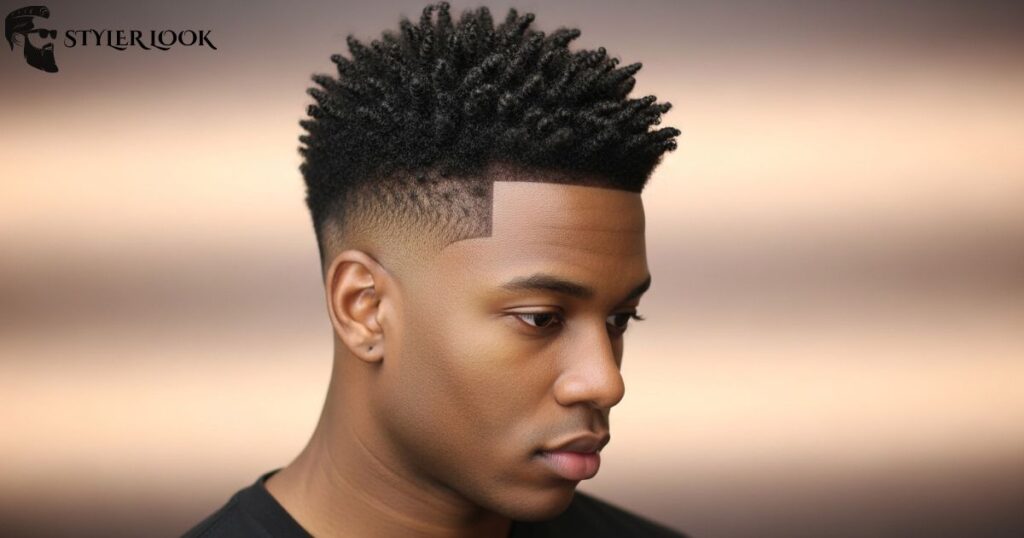
Curly hair and a low fade are a genuinely great pairing. The fade keeps the sides clean while letting your natural curl pattern take center stage on top. It defines the shape without fighting the texture.
Low Fade with Comb Over
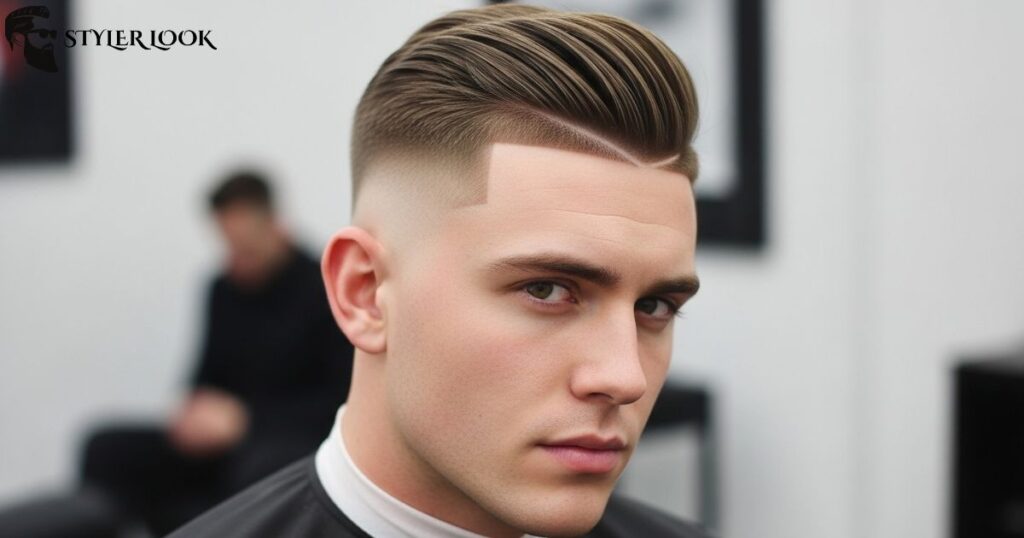
A comb over paired with a low fade is the definition of smart casual. The clean side taper keeps things polished while the swept-over top adds a classic, confident charm.
Low Fade with Side Part
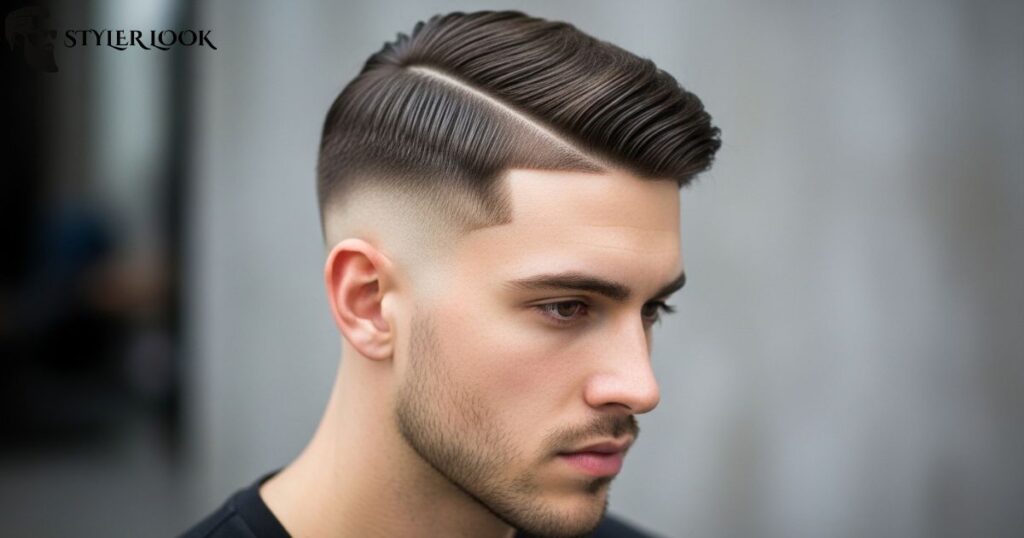
This combo leans heavily into a vintage barbershop aesthetic. The side part creates a sharp, defined line while the low fade softens the overall look, making it feel modern rather than old-fashioned.
What Is a Mid Fade?
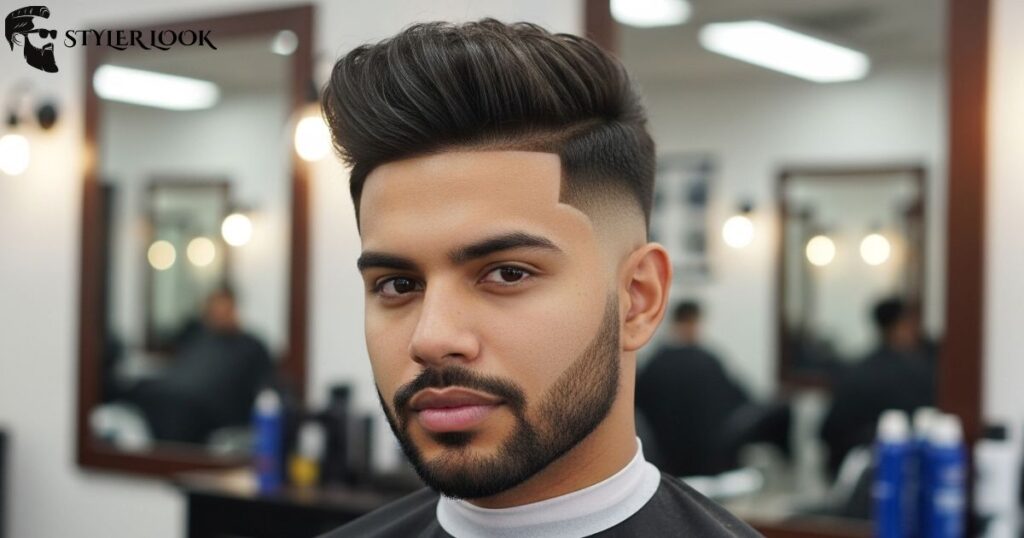
Defining Characteristics
The mid fade starts around the temples, roughly halfway up the side of the head. It sits right in the sweet spot between the subtle low fade and the bold high fade. The graduation begins at a moderate height, creating a noticeable contrast without going to extremes. It’s the most balanced option of the three.
Pros of a Mid Fade
The mid fade offers the best of both worlds. It’s versatile enough for professional settings but still carries enough visual impact to look genuinely stylish. It frames the face well for most face shapes and suits a wide range of hairstyles on top. In terms of sheer adaptability, it’s hard to beat.
Cons of a Mid Fade
Because it sits at a moderate height, the mid fade requires regular maintenance to keep looking its best. It grows out faster than a low fade and can start looking shapeless within two to three weeks if you skip your barber appointment. It’s also slightly less forgiving if your barber isn’t precise.
Who Should Choose a Mid Fade?
The mid fade is honestly a great default for most men. If you’re unsure which fade to choose, starting here is rarely a mistake. It works particularly well for men with oval or rectangular face shapes. It’s also a solid choice if you want something that reads as both professional and stylish without leaning too far in either direction.
Popular Mid Fade Styles
Mid Fade with Quiff
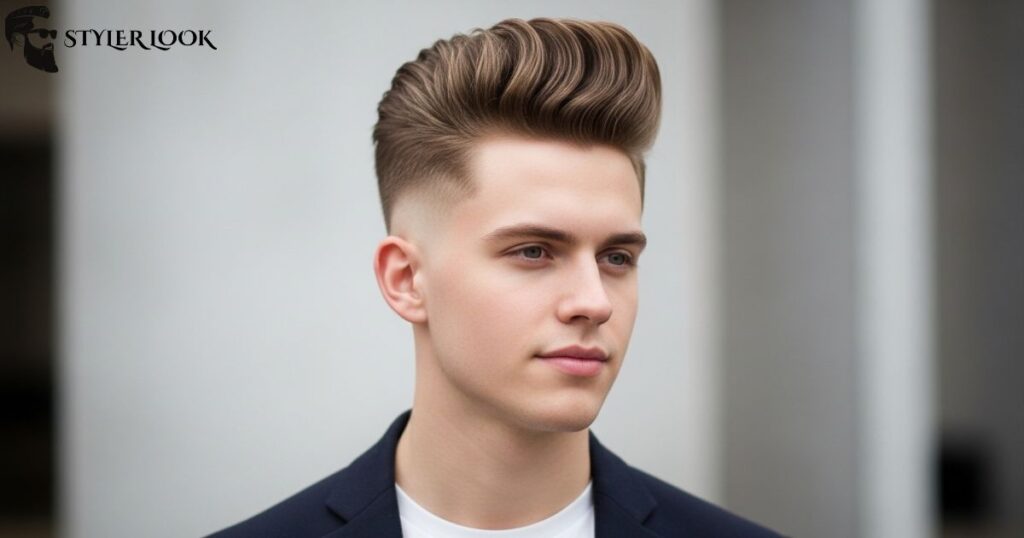
The quiff and mid fade combination is a modern classic. The volume on top contrasts beautifully with the clean sides, creating a look that feels dynamic and well-groomed at the same time.
Mid Fade with Textured Crop
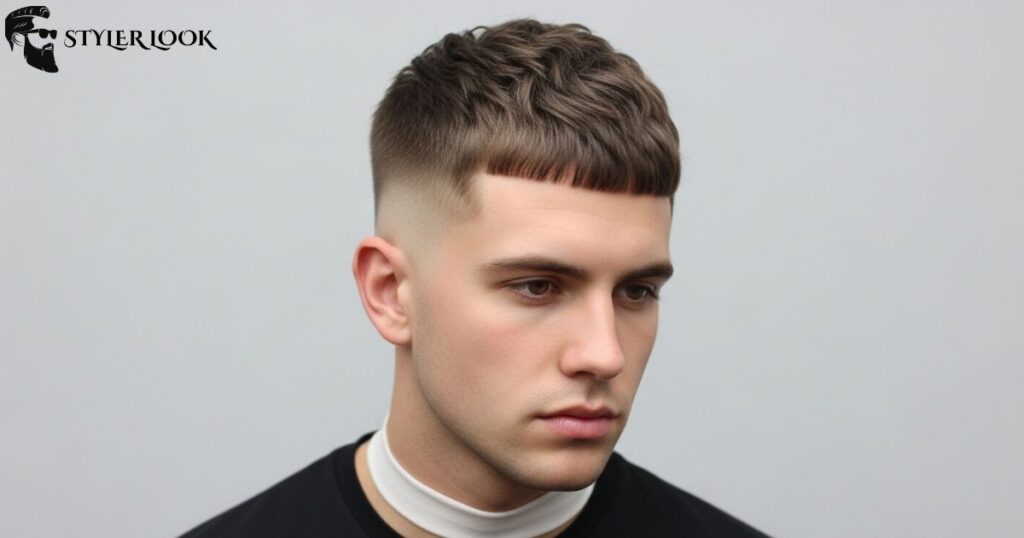
This pairing is hugely popular right now. The textured crop keeps things casual and easy on top while the mid fade adds just enough structure to make the whole look intentional.
Mid Fade with Slick Back
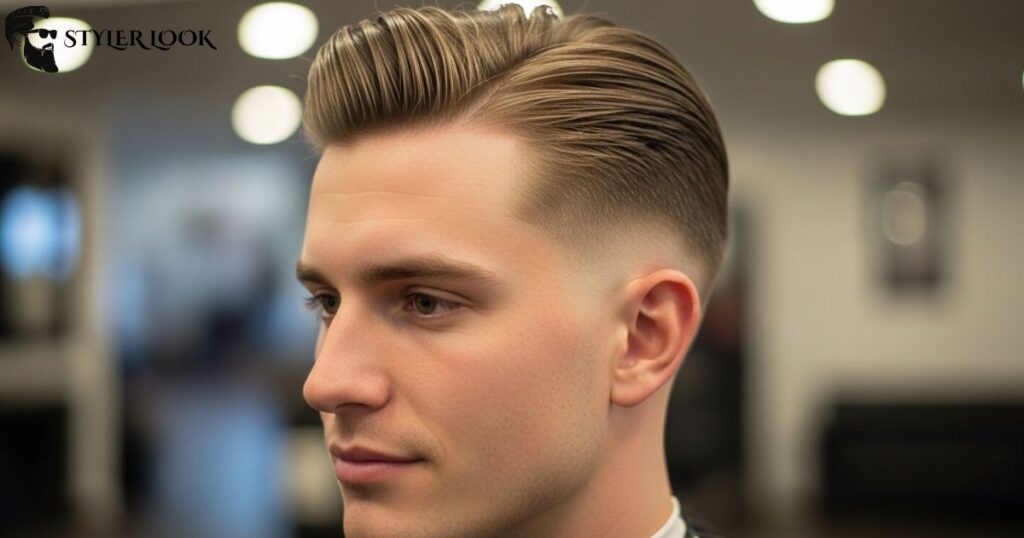
For a more refined, polished finish, a slick back with a mid fade delivers. It’s sharp without being stiff, and it transitions well from a day at the office to a night out.
What Is a High Fade?
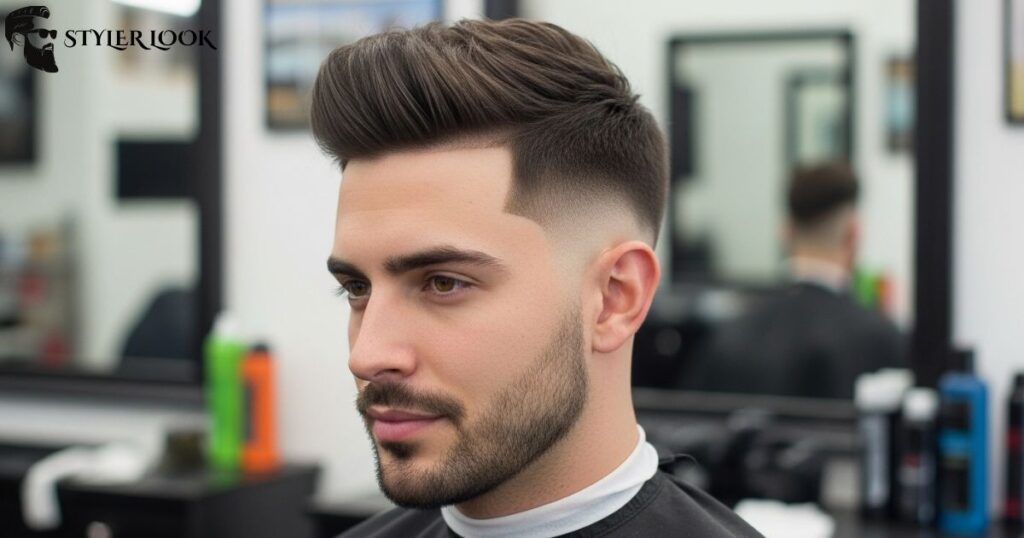
Defining Characteristics
A high fade starts above the temples, usually around the upper quarter of the head. The skin becomes visible quite high up, creating a dramatic contrast between the bare sides and the hair on top. It’s the boldest of the three options and makes the strongest visual statement.
Pros of a High Fade
The high fade creates maximum contrast and visual impact. It makes the hair on top appear fuller and more prominent, which is great if you want your hairstyle to stand out. It also keeps the sides incredibly neat, which many men find easier to manage on a daily basis.
Cons of a High Fade
That boldness comes with a catch. The high fade grows out quickly and noticeably. Within a week or two, the contrast starts to look less intentional. You’ll need frequent barbershop visits to maintain it properly. It’s also not the most conventional choice for formal or conservative professional environments.
Who Should Choose a High Fade?
Men who want to make a strong style statement are natural candidates for the high fade. It suits oblong or diamond face shapes particularly well, as the fuller top balances out angular features. If you have thick or voluminous hair on top, a high fade showcases it effectively. Just be ready to commit to regular maintenance.
Popular High Fade Styles
High Fade with Pompadour
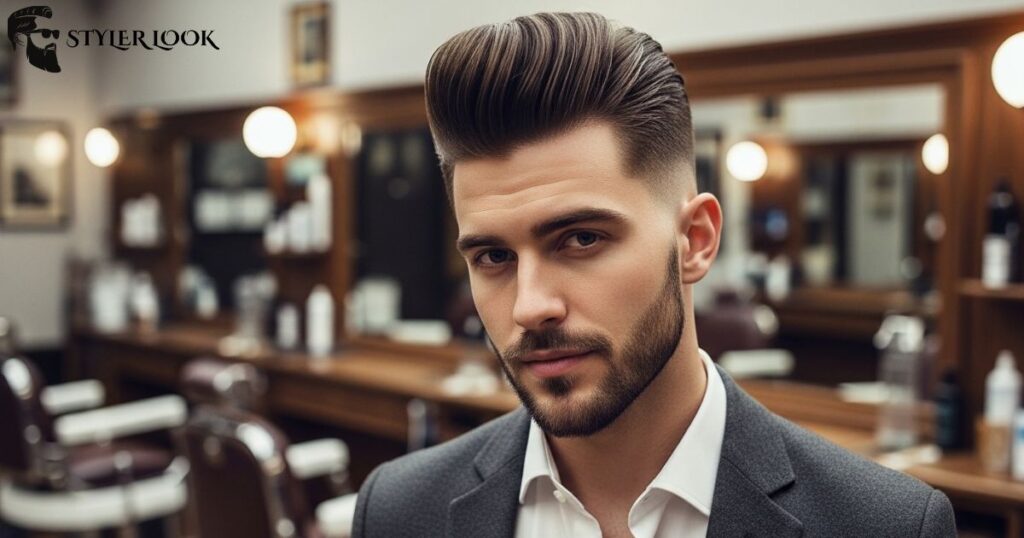
The high fade and pompadour is a power combination. The dramatic height of the pompadour paired with the clean, high taper creates a look that’s commanding and undeniably cool.
High Fade Undercut
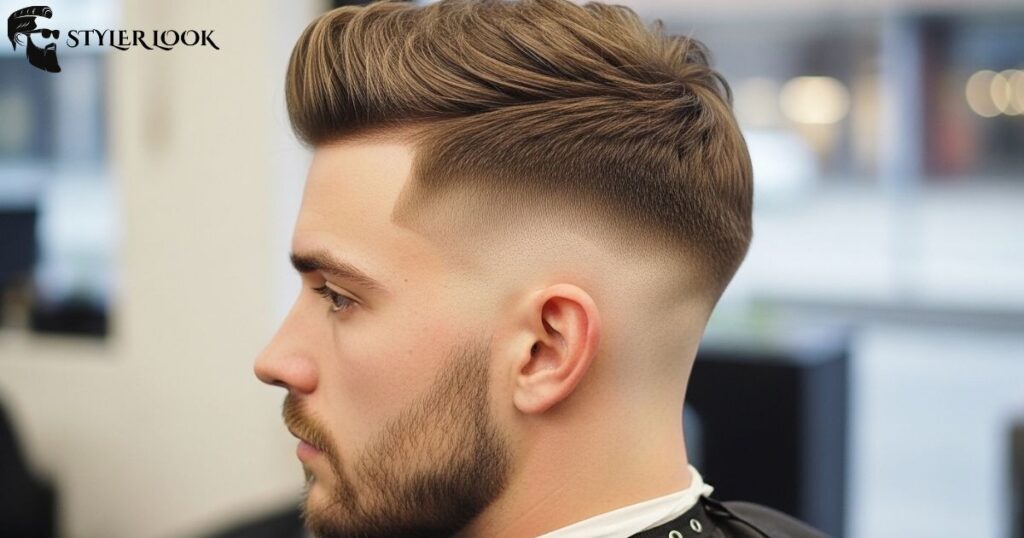
The undercut with a high fade pushes the contrast even further. The sharp disconnect between the top and sides is bold and modern, popular with men who love a strong, edgy aesthetic.
High Fade with Textured Top
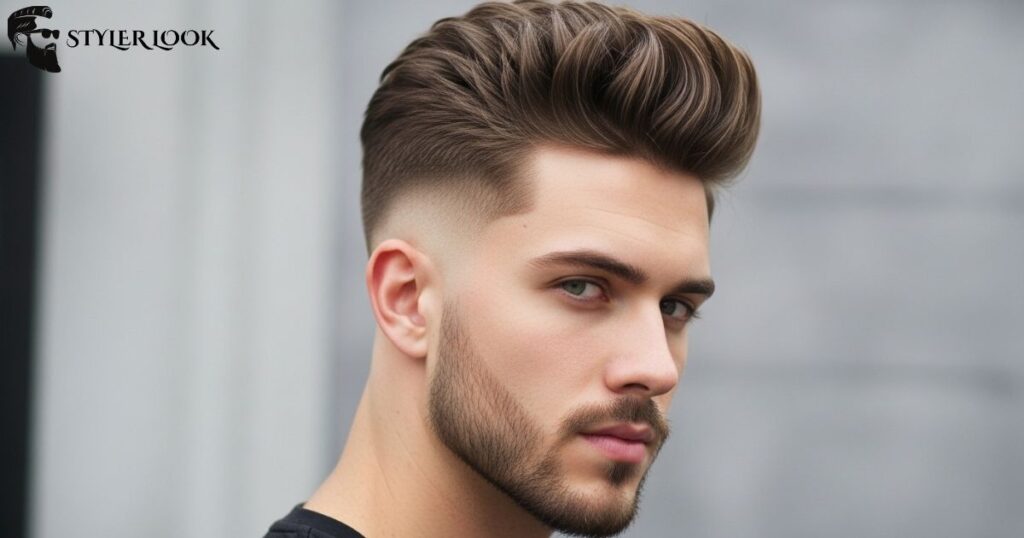
Loose, textured hair on top with a high fade underneath is a look that manages to feel both effortless and deliberate. It’s casual but never sloppy.
Low Fade vs Mid Fade vs High Fade: Key Differences
Where Each Fade Starts
This is the most fundamental distinction. The low fade begins just above the ear and neckline. The mid fade starts at the temples. The high fade begins above the temples, closer to the top of the head. The starting point changes everything about how the cut looks and feels.
Visual Impact
Low fades are subtle and understated. Mid fades are balanced and versatile. High fades are bold and dramatic. Think of it as a spectrum from barely-there to hard-to-miss.
Styling Versatility
The low fade pairs well with more conservative styles. The mid fade handles almost everything. The high fade works best with hairstyles that have volume and personality on top, since the sides are so bare.
Maintenance and Grow-Out
Low fades grow out most gracefully and need touch-ups every three to four weeks. Mid fades typically need attention every two to three weeks. High fades, because of how visible the transition is, usually require a visit every one to two weeks to stay sharp.
Professional vs Trendy Settings
For professional or corporate environments, the low fade is the safest choice. The mid fade sits comfortably in both worlds. The high fade leans more toward creative, casual, or fashion-forward settings, though it’s becoming more accepted across the board.
Best For Different Face Shapes
Round faces benefit from the low or mid fade, which avoids adding too much height. Oval faces suit all three. Oblong or rectangular faces do well with a high fade that adds visual width at the top. Diamond faces pair nicely with a high fade that balances sharper cheekbones.
How to Choose the Right Fade for You?
Based on Hair Type
Thick or coarse hair generally looks great with any fade, but a high fade particularly showcases volume. Fine hair benefits from a low or mid fade that doesn’t expose too much scalp. Curly hair works beautifully with low and mid fades that let the natural texture breathe on top.
Based on Face Shape
Matching your fade to your face shape is one of the smartest moves you can make. Round faces do better with low fades. Oval faces have the most flexibility. Oblong, rectangular, or diamond faces tend to be flattered by mid to high fades that add visual balance.
Based on Lifestyle and Maintenance Needs
If you’re the type who visits the barber regularly, you have freedom to choose any of the three. If you prefer low-maintenance grooming, the low fade is your best bet. It’s the easiest fade haircut to maintain and grows out without looking unkempt.
When Talking to Your Barber
Don’t just say “fade” and hope for the best. Tell your barber where you want the fade to start, how much skin you want to show, and what style you want on top. Bring a reference photo if you have one. The more specific you are, the better your result will be. A good barber will always ask questions, but coming prepared saves time and gets you closer to exactly what you want.
Fade Haircut Maintenance Tips
How Often to Get a Touch-Up
As a rough guide, low fades can go three to four weeks between appointments. Mid fades need a refresh every two to three weeks. High fades, because of how quickly the contrast softens, really shine with a visit every one to two weeks. Your specific hair growth rate will influence this, so pay attention to how your cut looks over time and adjust accordingly.
Styling Product Recommendations
The right product depends on your hair type and the style you’re going for. A matte clay or paste works well for textured, casual looks. A pomade or gel is better for slick, defined styles. A light cream works for natural, low-key finishes. Start with a small amount and build up gradually. Less is almost always more when it comes to product.
Protecting Your Scalp
A high fade exposes a significant amount of scalp, which means sun protection matters more than you might think. Apply a light SPF product to exposed areas if you’re spending time outdoors. Keep the scalp moisturized, especially after fresh cuts, and avoid harsh products that can cause irritation or dryness.
Final Thoughts
Choosing between a low, mid, or high fade comes down to three things: your face shape, your lifestyle, and what you want your hair to say about you. The low fade is clean and professional. The mid fade is balanced and broadly flattering. The high fade is bold and expressive. None of them is objectively better than the others. They’re just different tools for different looks.
Understanding low fade vs mid fade options before you sit in the barber’s chair means you walk out with exactly what you wanted rather than something close enough. Take a moment to consider your face shape, how much maintenance you’re genuinely willing to commit to, and the environment you’re dressing for most often. Then talk to your barber with confidence. That combination always delivers.
FAQ’s
What is the main difference between a low, mid, and high fade?
The main difference is where the fade starts on the head. A low fade begins near the ear, a mid fade starts at the temples, and a high fade begins above the temples, exposing more skin higher up.
Which fade haircut is easiest to maintain?
The low fade is the easiest to maintain. It grows out gradually and doesn’t lose its shape as quickly as a mid or high fade, making it ideal for men who prefer fewer barbershop visits.
Is a high fade suitable for a professional work environment?
It depends on the industry. Creative and casual workplaces tend to be more accepting of high fades. For conservative or corporate settings, a low or mid fade is generally the safer, more professional choice.
Which fade works best for curly hair?
A low or mid fade works beautifully with curly hair. It keeps the sides tidy while allowing your natural curl pattern to take over on top, creating a well-defined and textured overall look.
How often should I get a fade haircut touched up?
Low fades typically need a touch-up every three to four weeks. Mid fades every two to three weeks. High fades look best when refreshed every one to two weeks, depending on how fast your hair grows.
Jettson Cole is a style enthusiast and hair trend curator, sharing expert tips to help you look sharp and feel confident every day.